Moody's Analyzes Impact of US Tariffs on Asia-Pacific Economies Amid India Trade Deal Uncertainty
US Tariff Uncertainty: Implications for Asia-Pacific Economies
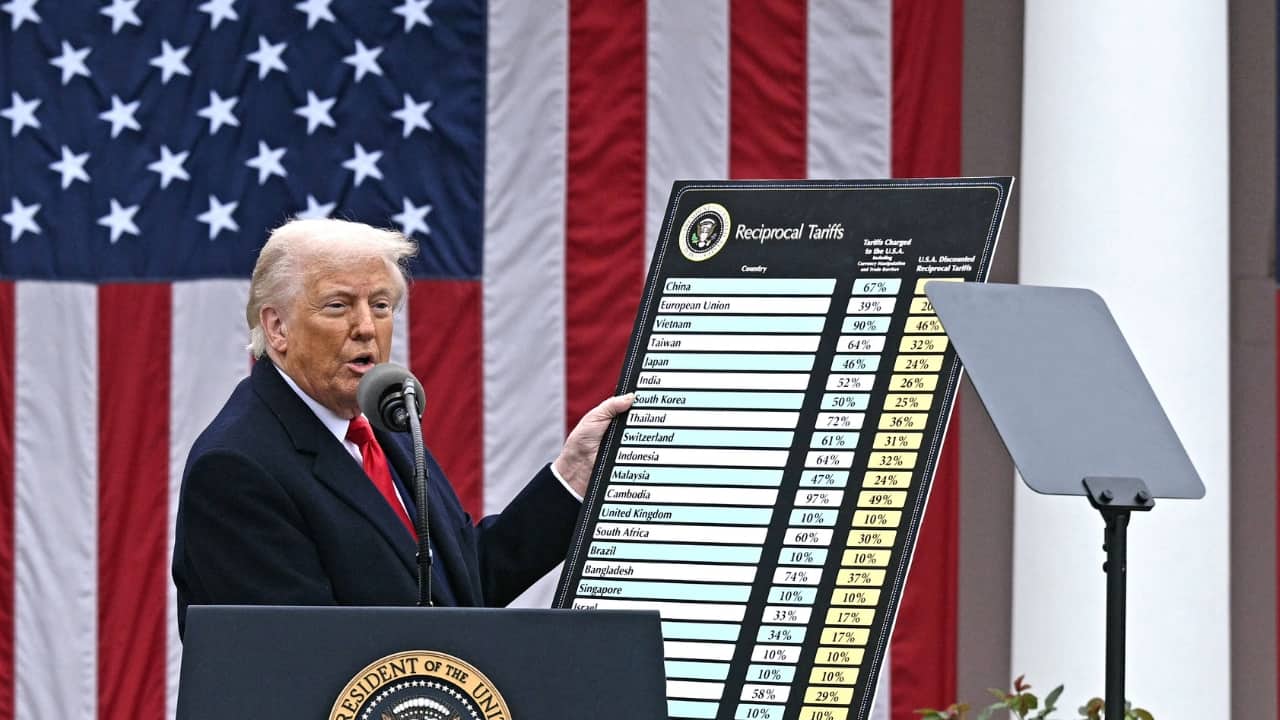
Moody's Analytics has released a statement outlining the potential impact of a uniform 15% tariff announced by US President Donald Trump on Asia-Pacific economies.
The uniform tariff would benefit some economies that have faced steeper country-specific levies, including China and much of Southeast Asia. However, countries such as Japan, South Korea, and Taiwan (China), where the base rate is already 15%, would experience a minimal impact.
The recent US Supreme Court ruling against the Trump administration's country-specific tariffs has introduced uncertainty into the trade landscape. The ruling limits Washington's ability to impose country-specific tariffs, which in turn limits its leverage in trade negotiations.
Read also: Treasury Yields Experience Largest Increase in Two Weeks Following Release of Labor Market Data
Key Developments:
- US President Trump has announced a 15% tariff on all countries for 150 days, with the option to increase it further.
- The US Supreme Court has ruled against the Trump administration's country-specific tariffs, limiting Washington's trade negotiation leverage.
- Trade deals with India and Indonesia are at risk due to the court ruling, with key details such as timelines and volumes yet to be finalized.
Potential Outcomes:
- Tariff rates may settle below pre-February 20 levels, but trade uncertainty and logistical challenges will persist.
- Firms may seek compensation for tariffs already paid, leading to a contentious and time-consuming process.
- A fresh round of front-loading may occur, with importers rushing shipments before tariff walls rise again.
Read also: US-Iran Tensions Spark Uptick in Oil Prices Amid Global Market Decline
Recommendations:
- Business and policymakers should remain cautious and prepared for ongoing trade uncertainty.
- Governments may slow-walk ratification of trade deals with the US, but are unlikely to abandon negotiations due to fear of punitive tariffs.
Investor Takeaway
Investors should monitor the ongoing trade tensions and potential changes in tariffs for their impact on global economies.
More in Economy

Treasury Yields Experience Largest Increase in Two Weeks Following Release of Labor Market Data

US-Iran Tensions Spark Uptick in Oil Prices Amid Global Market Decline

MoSPI Releases Uniform Norms for DDP Estimates with 2022-23 Base Year

