Monsoon Disruption Could Impact Earnings: Baroda BNP Paribas MF Forecasts
Market Trends to Dictate Indian Economy's Fate
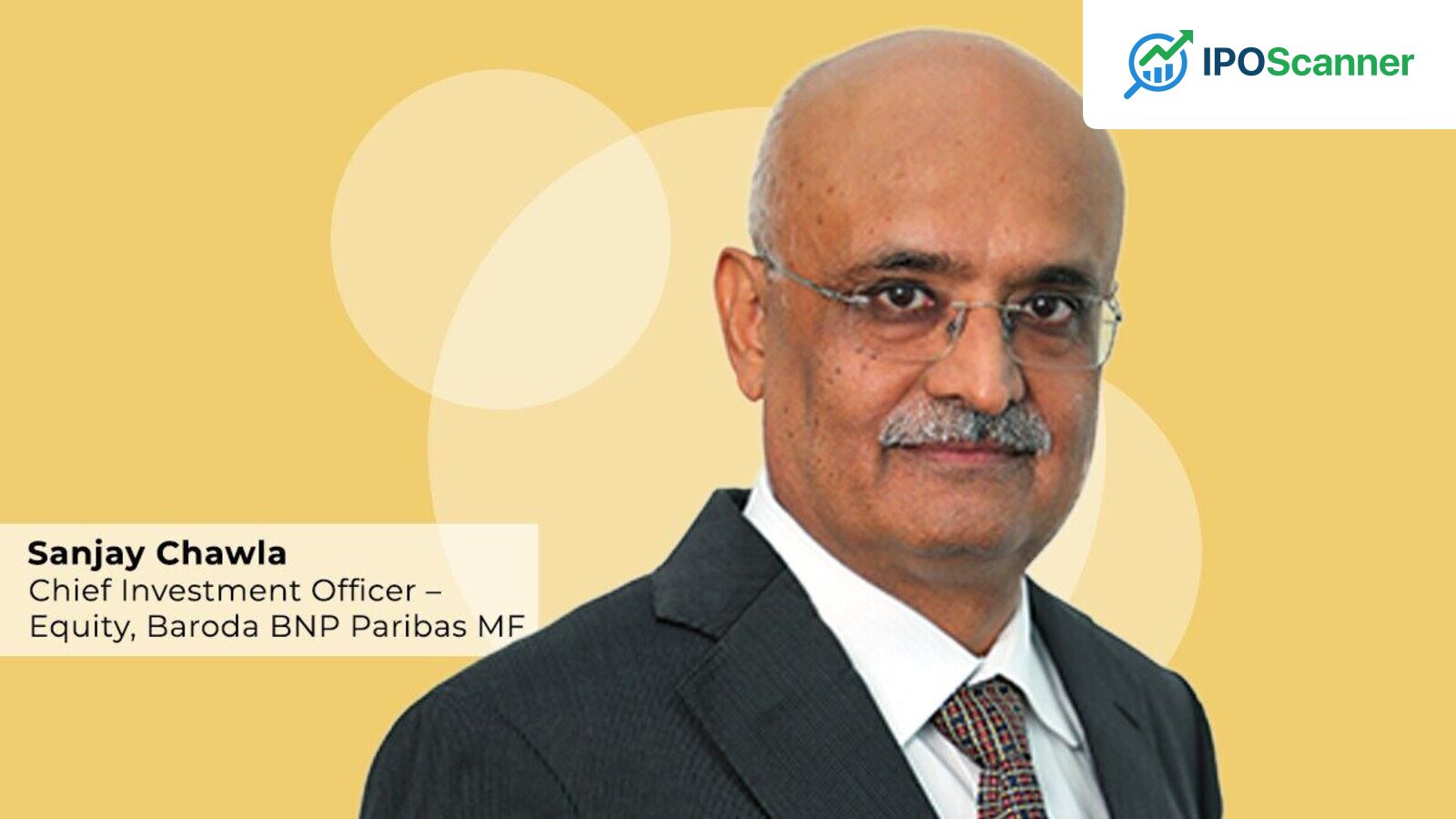
The Indian economy's fate is expected to be dictated by two key factors in the short to medium term: crude oil prices after the end of the US-Iran war and earnings growth of Indian corporates. Sanjay Chawla, Chief Investment Officer (CIO) - Equity at Baroda BNP Paribas Mutual Fund, expressed confidence in India's earnings growth story but highlighted the importance of a near-normal monsoon in sustaining that growth momentum.
Chawla believes that a relief rally may occur after a US-Iran peace deal, but its sustainability is uncertain. The Indian rupee has been one of the worst-performing currencies since the war began, largely due to the impact of higher crude oil prices on the Current Account Deficit (CAD). The CAD has been hit materially due to the non-availability of LNG and LPG.
| Factor | Impact on CAD |
|---|---|
| Higher Crude Oil Prices | Material Impact |
| Non-availability of LNG and LPG | Material Impact |
Read also: Treasury Yields Experience Largest Increase in Two Weeks Following Release of Labor Market Data
The crude oil prices will be determined by the assessment of infrastructure damage and the ability to spring back to pre-war production levels. Chawla is more confident of India's earnings growth story, with the caveat that the monsoon must be at least near normal.
The macro picture has been hit due to the Middle East tensions, with a possibility of a poor monsoon this year. Even rate hikes look possible this year, which could affect market sentiment. A poor monsoon will potentially lead to higher inflation due to food inflation being a relatively large and volatile component of CPI. Higher inflation, higher CAD, and slower economic growth may lead to a bearing on the central banker's decision in the next Policy meeting.
Slower economic growth usually leads to earnings being impacted, and when the macros are not favourable, Foreign Portfolio Investors (FPIs) are less likely to look at India favourably. Despite DIIs buying, the market has not been able to deliver returns over the last year. Retail investors should continue their SIPs as equity investing is all about investing for the long term, for more than 5 years.
Historically, we have seen periods when equity markets have given tepid returns, but eventually, the resilience of the Indian economy comes to the fore, driving earnings growth. Equity markets are slaves to earnings, and consolidation in equity markets provides a good opportunity for investors to increase their allocation to equity.
Read also: US-Iran Tensions Spark Uptick in Oil Prices Amid Global Market Decline
Mid and small-caps have outperformed despite the headwinds for the market, largely due to the recovery and sustained earnings growth in mid-caps and green shoots for small-cap earnings recovery. The litmus test for this earnings growth will be visible in the first half of FY27.
The entire market is in the value zone, and the question is whether there are any triggers for value unlocking. With the war in the Middle East closer to an end, energy security may improve, and FPIs may stop selling Indian equity and start buying on the margin. The big turnaround would be visible when earnings come back. The consensus expectations have already been cut, and it is modest growth for the current year. In the next couple of months, the market will start factoring in FY28 earnings, which are expected to be better than FY27.
One sector that is expected to grow from a growth perspective is the defence sector, potentially seeing a multi-year growth story panning out based on the increase in defence budgets for all the countries around the world. Not a classic value play since the valuations are not exactly cheap. A lot would depend on execution and capitalising on emerging opportunities overseas.
Chawla believes that the most important factor to create wealth is the appropriate asset allocation. A portfolio which does well in different environments should have an optimum mix of assets to achieve the financial goals. Both debt and gold should also be part of the asset mix that one has in their portfolio. The mix would depend upon investment objectives. Gold has had a dream run so far, and instead of chasing growth, one should make an incremental asset allocation where there is value in the market.
Investor Takeaway
Investors should monitor the impact of monsoon disruptions on Indian corporates' earnings growth.
More in Economy

Treasury Yields Experience Largest Increase in Two Weeks Following Release of Labor Market Data

US-Iran Tensions Spark Uptick in Oil Prices Amid Global Market Decline

MoSPI Releases Uniform Norms for DDP Estimates with 2022-23 Base Year

