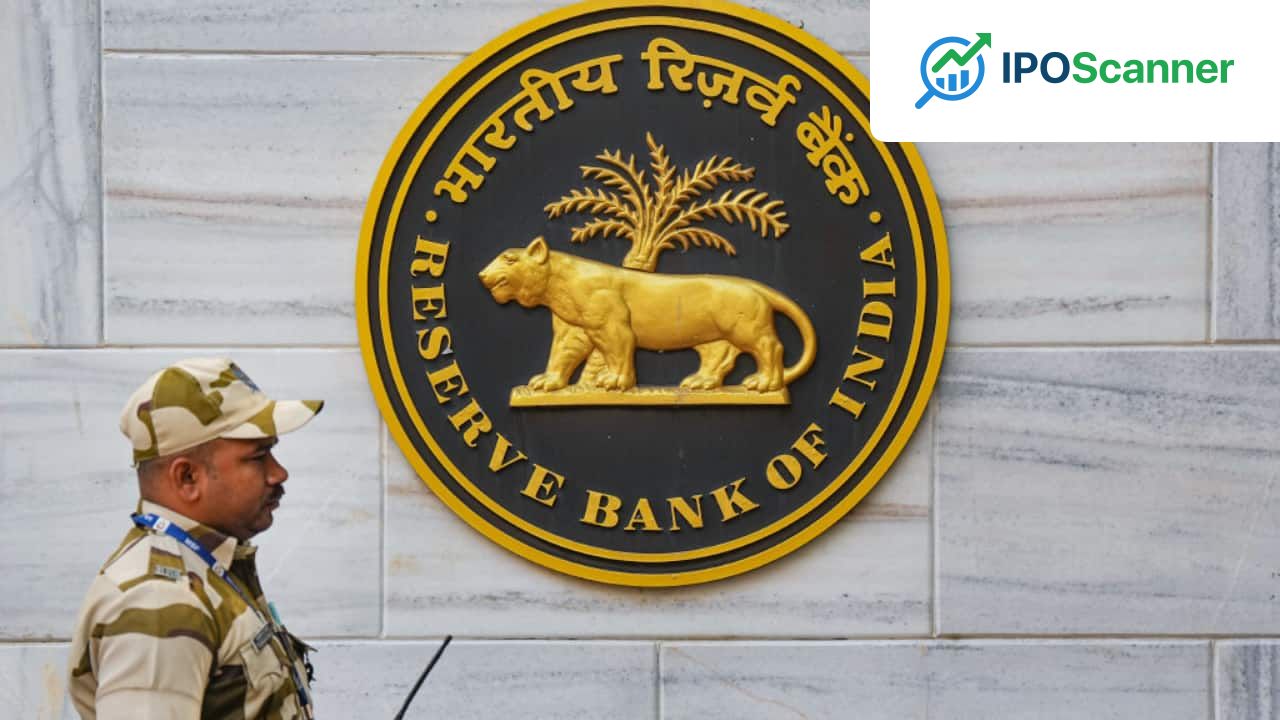
Monetary Policy Transmission Remains Stable in FY26, Foreign Banks Drive Lending Rate Decline: RBI Annual Report
Monetary Policy Transmission Remains Steady in FY26
The Reserve Bank of India (RBI) has announced that monetary policy transmission has remained steady in the fiscal year 2026, with commercial banks responding to a cumulative 100-basis-point reduction in the policy repo rate by lowering key lending benchmarks.
The central bank had cut rates by a cumulative 125 basis points between February and December 2025, and has since held the key repo rate steady at 5.25 percent. Market participants expect the RBI to maintain this stance when it meets for the bimonthly monetary policy committee meeting from June 2-5.
Monetary Policy Transmission by Bank Groups
Read also: Treasury Yields Experience Largest Increase in Two Weeks Following Release of Labor Market Data
| Bank Group | Decline in Weighted Average Lending Rate (WALR) on Fresh Loans | Decline in WALR on Outstanding Loans |
|---|---|---|
| Foreign Banks | 95 bps | 78 bps |
| Private Banks | ||
| Public Sector Banks |
According to the RBI's annual report, the weighted average loan rate on fresh and outstanding rupee loans of scheduled commercial banks (SCBs) declined by 95 bps and 78 bps, respectively, during FY26. The decline in the weighted average lending rate (WALR) on fresh as well as outstanding loans was highest in the case of foreign banks, reflecting a higher share of external benchmark-linked loans.
External Benchmark Migration
Private banks led external benchmark migration with an 89.2 percent share of external benchmark-based lending rate (EBLR)-linked loans as of December, compared to 50.6 percent for public sector banks. The predominance of such loans in private bank loan portfolios drove faster policy transmission to their outstanding lending rates compared to public sector lenders, the RBI report said.
Read also: US-Iran Tensions Spark Uptick in Oil Prices Amid Global Market Decline
Sectoral Decline in WALR
The WALR on fresh rupee loans moderated across all sectors, with the biggest decline observed in rupee export credit, followed by education, professional services, micro, small and medium enterprises (MSMEs), and trade among others. For outstanding loans, the decline was highest in sectors such as the trade segment, followed by housing and education loans.
Investor Takeaway
Investors should monitor the RBI's monetary policy decisions for potential impacts on lending rates and the overall economy.
More in Economy

Treasury Yields Experience Largest Increase in Two Weeks Following Release of Labor Market Data

US-Iran Tensions Spark Uptick in Oil Prices Amid Global Market Decline

MoSPI Releases Uniform Norms for DDP Estimates with 2022-23 Base Year

