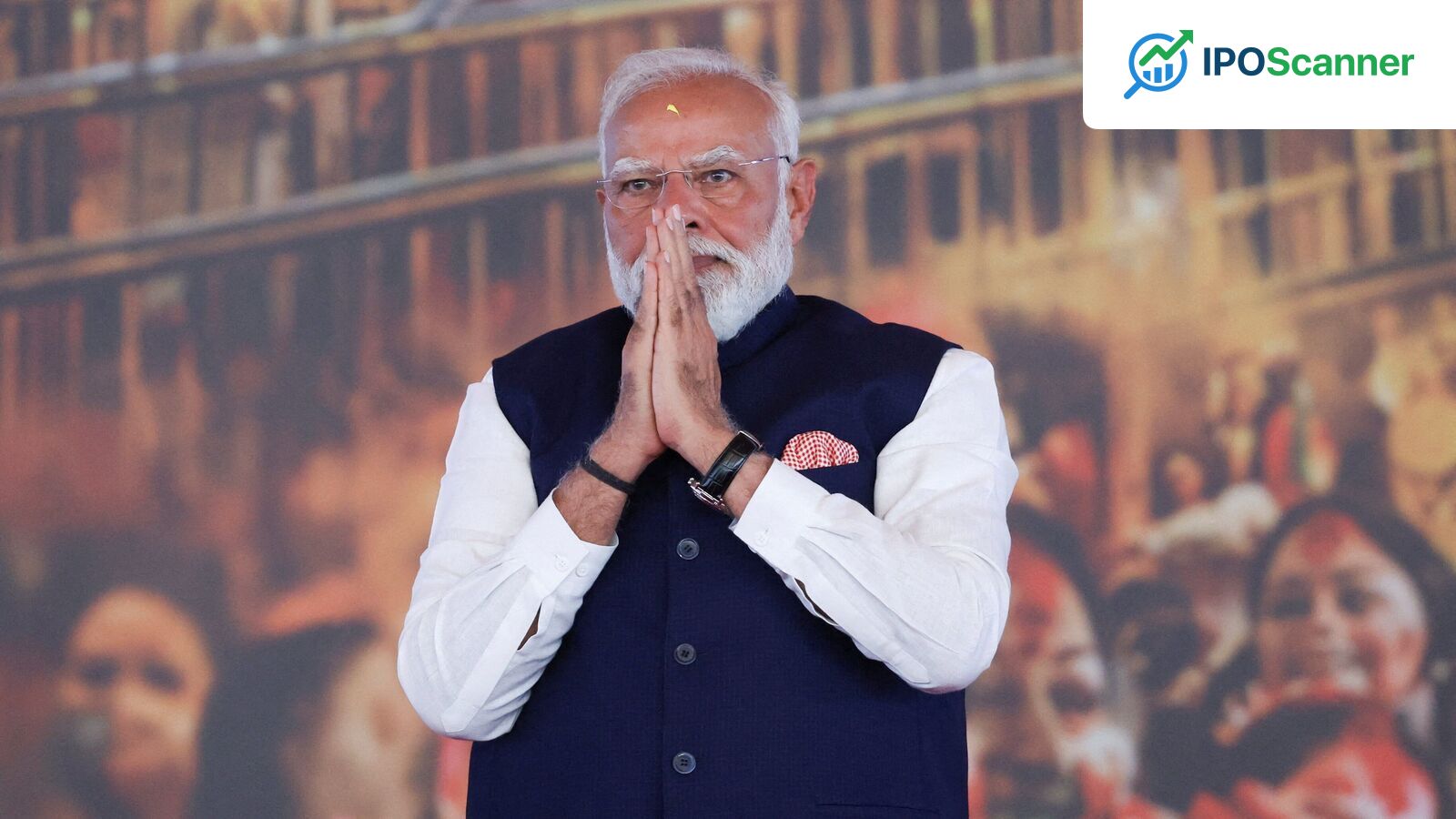
Modi's Diplomatic Efforts: Can UAE and Other Visits Alleviate Soaring Oil Prices?
India's Prime Minister Narendra Modi Embarks on Five-Nation Diplomatic Tour Amid Global Oil Market Uncertainty
India is grappling with one of its biggest economic challenges in recent months — soaring crude oil prices. Brent crude has remained above the $100-per-barrel mark after disruptions linked to the US-Iran conflict and uncertainty surrounding the Strait of Hormuz shook global energy markets. Since India imports nearly 90% of its crude oil requirements, rising energy prices are beginning to impact inflation, the rupee, fuel prices, and broader market sentiment.
Government Response to Rising Oil Prices
The government has already increased petrol and diesel prices by ₹3 per litre amid mounting pressure on oil marketing companies, while the rupee continues to trade near record lows against the US dollar, making imports even more expensive. Against this backdrop, Modi's five-nation diplomatic tour is being viewed as more than a routine foreign visit. Analysts believe the trip reflects India's attempt to secure long-term energy supplies, diversify crude sourcing, strengthen strategic reserves, and build partnerships that could reduce the country's future dependence on volatile oil markets.
Read also: Treasury Yields Experience Largest Increase in Two Weeks Following Release of Labor Market Data
Key Objectives of the Visit
The UAE visit is seen as the most important energy stop, with analysts believing that the country's oil export infrastructure bypasses the Strait of Hormuz, allowing crude shipments to continue even during periods of geopolitical disruption. India is expected to focus on securing additional long-term oil supplies, favourable trade terms, and alternative payment arrangements during the visit.
Comparison of Oil Prices
| Country | Brent Crude Price (per barrel) |
|---|---|
| UAE | $100+ |
| Norway | - |
| Sweden | - |
| Netherlands | - |
| Italy | - |
| Global Average | $100+ |
Read also: US-Iran Tensions Spark Uptick in Oil Prices Amid Global Market Decline
Note: Brent crude prices are not available for Norway, Sweden, Netherlands, and Italy as they are not major oil-producing countries.
Norway and Europe: Focus on Long-Term Energy Security
Analysts also highlighted Norway's importance during the visit because it remains one of the world's major non-Gulf oil producers. Increased imports of Norwegian crude could help India diversify away from excessive dependence on Middle Eastern supplies. Experts also believe Norway's sovereign wealth fund investments in India could help support foreign investment flows and ease pressure on the rupee.
European Leg of the Tour
The European leg of the tour involving Sweden, Netherlands, and Italy is expected to focus more on long-term strategic cooperation in green hydrogen, clean energy, semiconductors, EV ecosystems, and advanced manufacturing. Market experts believe the larger significance of Modi's tour lies in India's attempt to structurally reduce future vulnerability to crude oil shocks rather than expecting immediate relief in petrol and diesel prices.
Impact on Oil Prices and Rupee
Analysts caution that the visit alone cannot immediately solve the global crude oil problem because prices are currently being driven by geopolitical tensions, shipping disruptions, insurance risks, and uncertainty surrounding the Strait of Hormuz. Oil prices will fall meaningfully only when the geopolitical risk premium comes down. Until then, crude will remain volatile, and India must prepare for a higher-for-longer energy cost environment.
Investor Takeaway
India's diplomatic efforts may alleviate soaring oil prices, but investors should monitor the situation closely.
More in Economy

Treasury Yields Experience Largest Increase in Two Weeks Following Release of Labor Market Data

US-Iran Tensions Spark Uptick in Oil Prices Amid Global Market Decline

MoSPI Releases Uniform Norms for DDP Estimates with 2022-23 Base Year

