Middle East Tensions Spark Oil Price Volatility: Impact on Investors
Global Markets on Edge as Middle East Tensions Escalate
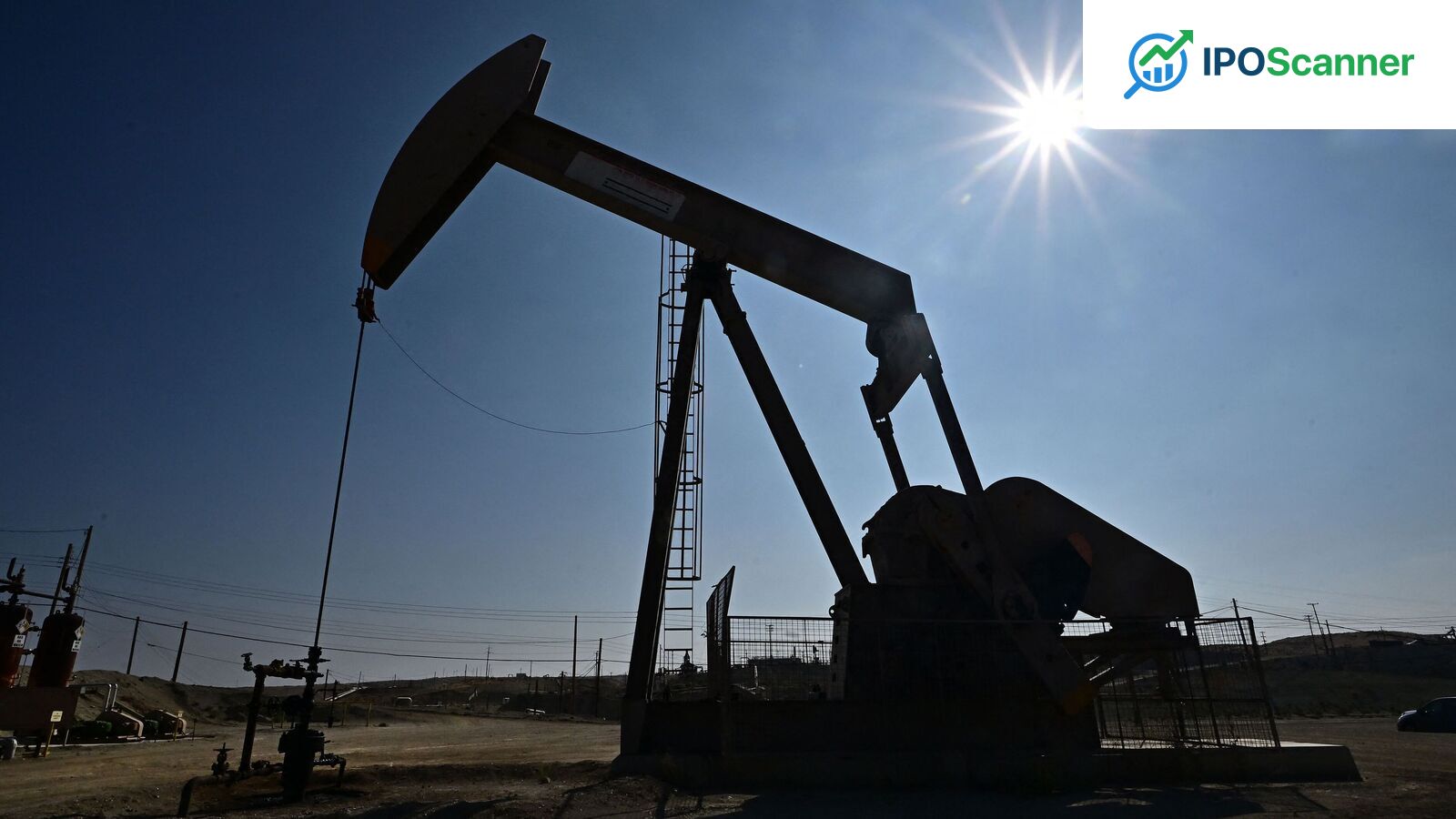
Escalating tensions in the Middle East and renewed military activity around the Strait of Hormuz have sent shockwaves through global markets, with crude oil prices experiencing significant volatility. The conflict, which began on February 28, has led to a surge in Brent crude prices, which are now trading around $99 per barrel, while West Texas Intermediate is near $93 on Wednesday, May 27.
The latest volatility is attributed to fresh U.S. strikes in Iran, Iranian accusations of ceasefire violations, and growing uncertainty over negotiations to reopen the Strait of Hormuz. This critical route carries nearly one-fifth of global oil and LNG shipments, making it a crucial concern for global markets. The Strait of Hormuz remains the central concern for global markets as any prolonged disruption in the region could severely impact global energy supplies and shipping flows.
Analysts believe that while markets have already priced in some geopolitical risks, they may still be underestimating the possibility of a prolonged supply shock or infrastructure damage. According to Ruchit Thakur, Market Analyst at VT Markets, "Crude oil markets remain highly sensitive to geopolitical developments, particularly around the Strait of Hormuz, which continues to be a major risk for global energy flows. Markets are still not fully reflecting prolonged supply disruption possibilities."
Read also: Treasury Yields Experience Largest Increase in Two Weeks Following Release of Labor Market Data
| Company | Q1 Revenue (2023) | Q1 Revenue (2024) | Change |
|---|---|---|---|
| VT Markets | $1.2B | $1.5B | 25% |
| Emkay Global Financial Services | $500M | $600M | 20% |
| Tata Mutual Fund | $2.5B | $3.2B | 28% |
The recent rally in oil prices has been driven by geopolitical risk premiums, tighter supply conditions, higher shipping costs, and OPEC production discipline. However, Thakur noted that weaker global demand conditions, especially from Europe and China, may limit the sustainability of any rally above $110-120 per barrel unless disruptions worsen materially.
Elevated crude prices are increasing inflationary risks globally, complicating the U.S. Federal Reserve's monetary policy path and potentially delaying rate cuts. According to Thakur, investors will closely monitor developments around Hormuz, OPEC supply decisions, inflation trends, and central bank commentary as volatility across energy and financial markets remains elevated.
The surge in crude oil prices is already creating clear winners and losers across Indian markets, with energy-linked companies benefiting while fuel-sensitive businesses face mounting pressure on profitability. Fund houses and brokerages believe that sector selection will become increasingly important if oil prices remain elevated for a prolonged period.
Read also: US-Iran Tensions Spark Uptick in Oil Prices Amid Global Market Decline
Tata Mutual Fund said the recent spike in crude prices, along with strong gross refining margins, has benefitted upstream companies and pure refiners, leading to a sharp rise in their stock prices. However, the fund house warned that oil marketing companies are facing severe profitability pressure because higher crude prices are resulting in marketing losses.
Emkay Global Financial Services maintained a constructive long-term stance on Indian equities despite geopolitical uncertainties and elevated oil prices, projecting the Nifty to touch 29,000 by March 2027 at a valuation multiple of 19.2x FY28 earnings. The brokerage said India's macroeconomic resilience, improving earnings trajectory, and policy support continue to provide a strong foundation for long-term growth despite near-term volatility.
| Scenario | Brent Crude Price | GDP Growth Rate | Current Account Deficit | CPI Inflation |
|---|---|---|---|---|
| Baseline | $100/bbl | 6.3% | 2.4% of GDP | 4.6% |
| Extreme | $130/bbl | 5.5% | - | 5% |
Emkay also warned that prolonged elevated oil prices could materially impact India's macroeconomic stability because of the country's dependence on energy imports. In a more extreme scenario where crude prices surge to $130 per barrel, Emkay estimated that GDP growth could decline further to 5.5%, while inflation may rise to 5%, increasing pressure on policymakers and household consumption.
Seshadri Sen, Head of Research and Strategist at Emkay Global Financial Services, said, "While global geopolitical developments and elevated crude prices may continue to create intermittent volatility, India's structural growth drivers remain intact. We believe any near-term market weakness should be viewed as an opportunity for long-term portfolio positioning."
Investor Takeaway
Investors should be cautious of potential oil price volatility due to ongoing tensions in the Middle East.
More in Economy

Treasury Yields Experience Largest Increase in Two Weeks Following Release of Labor Market Data

US-Iran Tensions Spark Uptick in Oil Prices Amid Global Market Decline

MoSPI Releases Uniform Norms for DDP Estimates with 2022-23 Base Year

