Middle East Tensions Pose Risk to India's Energy Supplies
India's Energy Supplies at Risk Amid Escalating Tensions in West Asia
Key Figures:
- 50%: Potential disruption to India's oil supplies
- 85%: Potential disruption to LPG flows
- 20%: Crude oil carried through the Strait of Hormuz
- 45%: LNG imports from Qatar
- 5.6 million bpd: India's daily crude oil consumption
- 25 days: India's crude oil reserves, including oil stored in refiner's storage tanks, pipelines, and in transit
- 1 week: Additional crude reserves held in strategic petroleum reserves
- 25 days: Stock of refined oil products, including petrol, diesel, and liquefied petroleum gas
India's Energy Supplies Under Threat
Read also: Treasury Yields Experience Largest Increase in Two Weeks Following Release of Labor Market Data
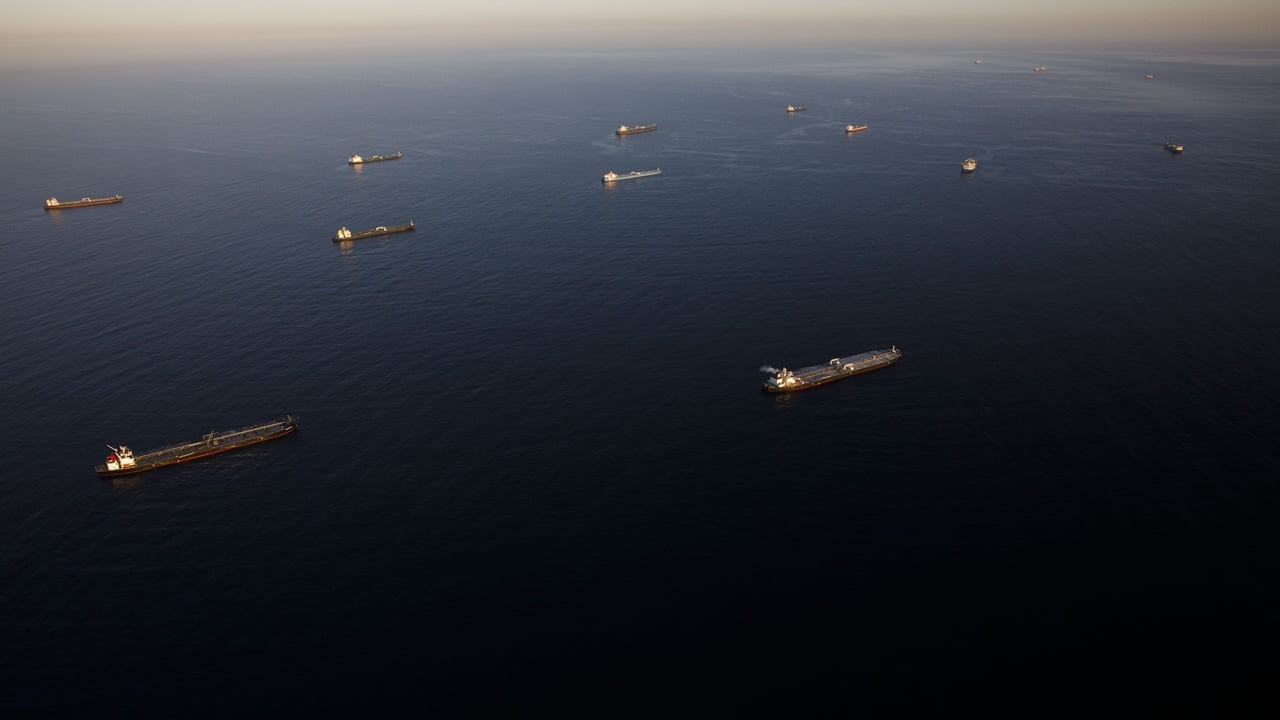
The escalating tensions in West Asia have put India's energy supplies at risk, with a potential disruption of up to 50% of its oil supplies and 85% of LPG flows. The conflict has led to a halt in the movement of ships through the Strait of Hormuz, which carries about 20% of the world's crude oil and nearly half of India's oil imports. Indian companies are exploring alternative supply routes and regions to secure the country's energy demands.
Domestic Oil Reserves
India is comfortably positioned with 25 days of crude oil reserves, including oil stored in refiner's storage tanks, pipelines, and in transit. The country also has strategic petroleum reserves holding crude reserves worth an additional 1 week of its daily consumption of 5.6 million bpd. Additionally, India has a 25 days stock of refined oil products, including petrol, diesel, and liquefied petroleum gas.
LNG Supplies and Disruption
Read also: US-Iran Tensions Spark Uptick in Oil Prices Amid Global Market Decline
India's liquefied natural gas (LNG) supply chain is facing disruption after Qatar, its single-largest supplier, declared force majeure on deliveries following a halt in production at its Ras Laffan facility. India imports 45% of its LNG from Qatar, and parallelly, Petronet LNG, India's largest LNG terminal operator, has also invoked force majeure for its affected tankers.
Government Response
The government has established a 24×7 Control Room to continuously monitor the supply and stock position of petroleum products across the country. The oil ministry has also said that Indian energy companies now have access to energy supplies that are not routed through the Strait of Hormuz, and that the country is well stocked with crude oil and inventories of key petroleum products to deal with short-term disruptions.
Alternative Routes for Energy Supplies
India is coordinating with a wide range of global suppliers and trading houses to secure energy supplies. The country is exploring alternative routes, including the Red Sea route via the Suez Canal, and is in touch with all major suppliers, companies, and trading entities to mitigate the impact of the conflict.
Investor Takeaway
Investors should be cautious of potential disruptions to India's energy supplies due to escalating tensions in West Asia.
More in Economy

Treasury Yields Experience Largest Increase in Two Weeks Following Release of Labor Market Data

US-Iran Tensions Spark Uptick in Oil Prices Amid Global Market Decline

MoSPI Releases Uniform Norms for DDP Estimates with 2022-23 Base Year

