Middle East Tensions Heighten Concerns Over Rising Supply Chain and Logistics Costs for Indian Businesses
Indian Companies Face Rising Logistics and Insurance Costs Amid Escalating Tensions in the Gulf Region
Key Maritime Choke Points
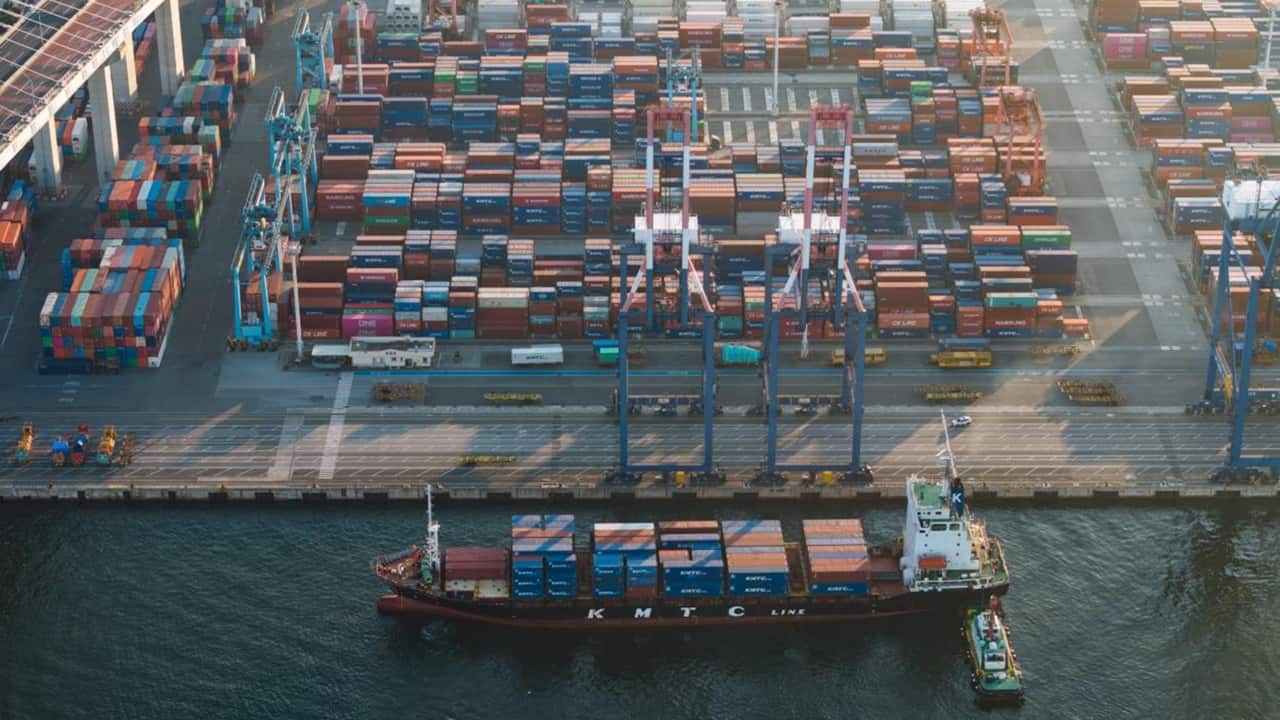
The Strait of Hormuz and the Red Sea-Suez Canal route have become critical focal points due to tensions between Iran and the Gulf region. This has raised concerns about the potential impact on Indian companies through increased logistics and insurance costs.
Impact on Energy-Intensive Industries
Read also: Treasury Yields Experience Largest Increase in Two Weeks Following Release of Labor Market Data
Energy-intensive industries, including aviation, logistics, paints, and chemicals, are expected to experience margin compression due to rising input costs. In contrast, upstream oil producers may benefit from higher crude prices.
Potential Fiscal Implications for India
If the conflict persists without swift de-escalation, India's fiscal outlook may face further strain from higher subsidy commitments, subdued disinvestment valuations, and expanded social spending to cushion domestic economic pressures.
Lessons from the Red Sea Crisis
Read also: US-Iran Tensions Spark Uptick in Oil Prices Amid Global Market Decline
The Red Sea attacks by Houthi rebels in late-2023 offer a precedent for how quickly costs can escalate. The Suez Canal, which handles nearly 12% of global trade flows, shortens transit between India's west coast and Europe by about 15 days compared to the Cape of Good Hope route.
Sectoral Impact
The impact of disruptions is uneven across sectors, depending on margins, perishability, and the ability to pass on costs. Agricultural commodities and marine foods are among the most vulnerable, while textiles, chemicals, and capital goods players are relatively insulated in the short term.
Logistics Costs
Logistics costs for metals exports to Europe rose by $40-60 per tonne, while scrap-based steel producers saw raw material costs climb 5-8% due to higher import freight. In fertilisers, shipment timelines for key imports were extended by nearly 15 days, pushing up freight costs and increasing reliance on government subsidies.
Beneficiaries of Higher Charter Rates
Shipping companies and freight forwarders typically benefit from spiking charter rates, as seen during the Red Sea crisis, when global container freight rates jumped 2.5-3 times from early-December 2023 levels.
Investor Takeaway
Investors should be cautious of potential disruptions to global supply chains and rising logistics costs.
More in Economy

Treasury Yields Experience Largest Increase in Two Weeks Following Release of Labor Market Data

US-Iran Tensions Spark Uptick in Oil Prices Amid Global Market Decline

MoSPI Releases Uniform Norms for DDP Estimates with 2022-23 Base Year

