Massive 11,000-Carat Ruby Discovery Stirs Industry Awe in Myanmar
Massive 11,000-Carat Ruby Discovered in Myanmar's Mogok Region
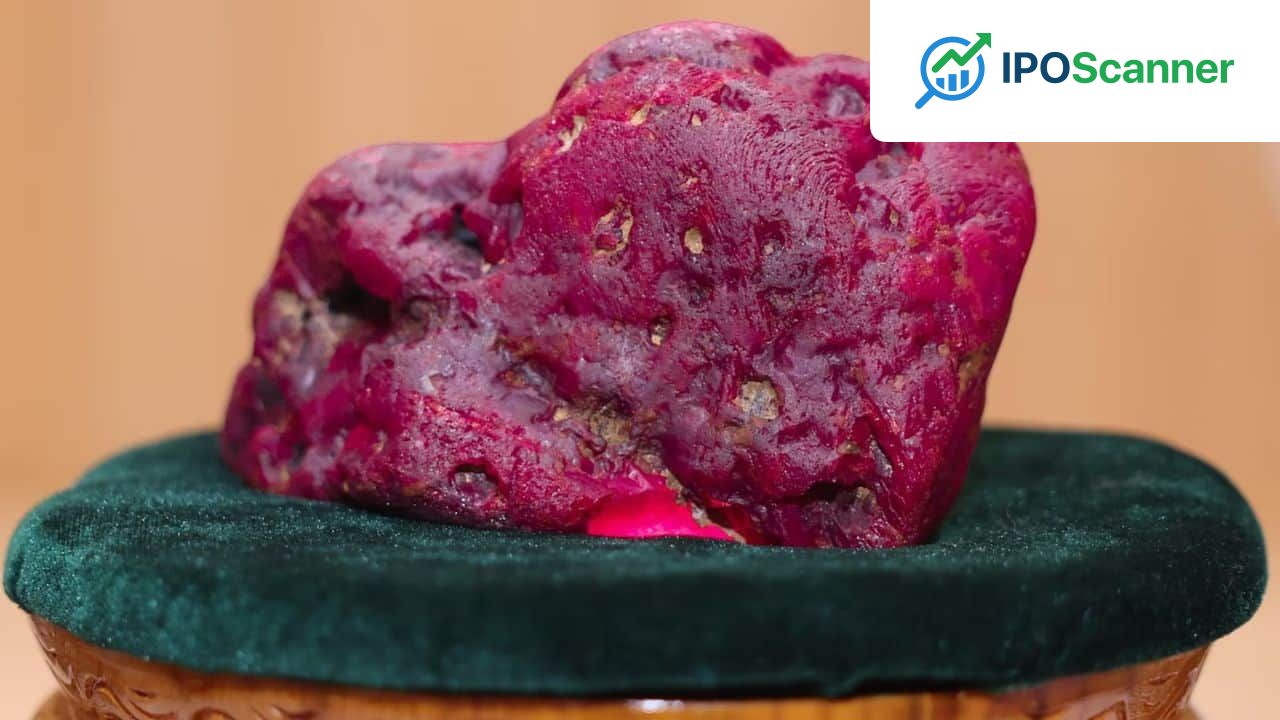
A significant gemstone discovery has been reported in Myanmar's Mogok region, an area renowned for producing high-quality gemstones. According to reports released through Myanmar state-linked media, a massive 11,000-carat ruby was found in Mandalay Region, described as one of the country's most significant gemstone discoveries in recent decades.
The newly discovered ruby displays a strong purplish-red colour along with visible undertones of yellow, characteristics that could make it especially valuable depending on clarity, structure, and final grading after examination. The discovery has drawn attention because Mogok, often referred to internationally as the "Valley of Rubies," has historically produced some of the world's most prized gemstones, including highly sought-after pigeon blood rubies.
Myanmar has dominated parts of the global ruby trade for centuries. Many of the finest natural rubies ever auctioned internationally originated from mines in the Mogok region, where unique geological conditions created gemstones known for their deep colour and unusual transparency.
Read also: Treasury Yields Experience Largest Increase in Two Weeks Following Release of Labor Market Data
| Discovery | Weight (carats) | Year |
|---|---|---|
| Newly discovered ruby | 11,000 | 2024 |
| Largest ruby discovered in Myanmar | 21,450 | 1996 |
The newly discovered ruby reportedly weighs around 11,000 carats, placing it among the largest gemstone finds reported from Myanmar in recent years. This may be the second-largest ruby discovered in the country after a 21,450-carat ruby found in 1996. That earlier discovery became internationally known among gemstone collectors and mining experts because of its exceptional size.
Large rough rubies are extremely rare compared to diamonds or sapphires because corundum crystals suitable for ruby formation usually develop with fractures, inclusions, or uneven colouring. Stones of extraordinary size often attract global interest even before cutting or valuation begins.
Gem experts note that a ruby's actual market value depends on several factors beyond weight alone, including colour saturation, internal clarity, structural stability, and whether portions of the stone can be cut into high-grade gemstones for jewellery markets.
Read also: US-Iran Tensions Spark Uptick in Oil Prices Amid Global Market Decline
Myanmar's gemstone industry has remained globally significant despite years of political instability and sanctions affecting parts of the country's economy. The Mogok area itself has a long and complicated history tied to royal dynasties, colonial mining operations, and international luxury markets. For centuries, Burmese rubies were considered among the rarest gemstones available to royal families and elite collectors worldwide.
The latest discovery is likely to generate strong interest from international gem traders, collectors, and auction houses, especially if further examination confirms high gem quality within the rough stone. Myanmar authorities have not yet released detailed technical assessments or announced whether the ruby will remain intact for exhibition purposes or eventually be cut into smaller gemstones.
For now, the discovery has once again placed Mogok at the centre of the global gemstone industry, reminding collectors why Myanmar's ruby mines remain among the most famous in the world.
More in Economy

Treasury Yields Experience Largest Increase in Two Weeks Following Release of Labor Market Data

US-Iran Tensions Spark Uptick in Oil Prices Amid Global Market Decline

MoSPI Releases Uniform Norms for DDP Estimates with 2022-23 Base Year

