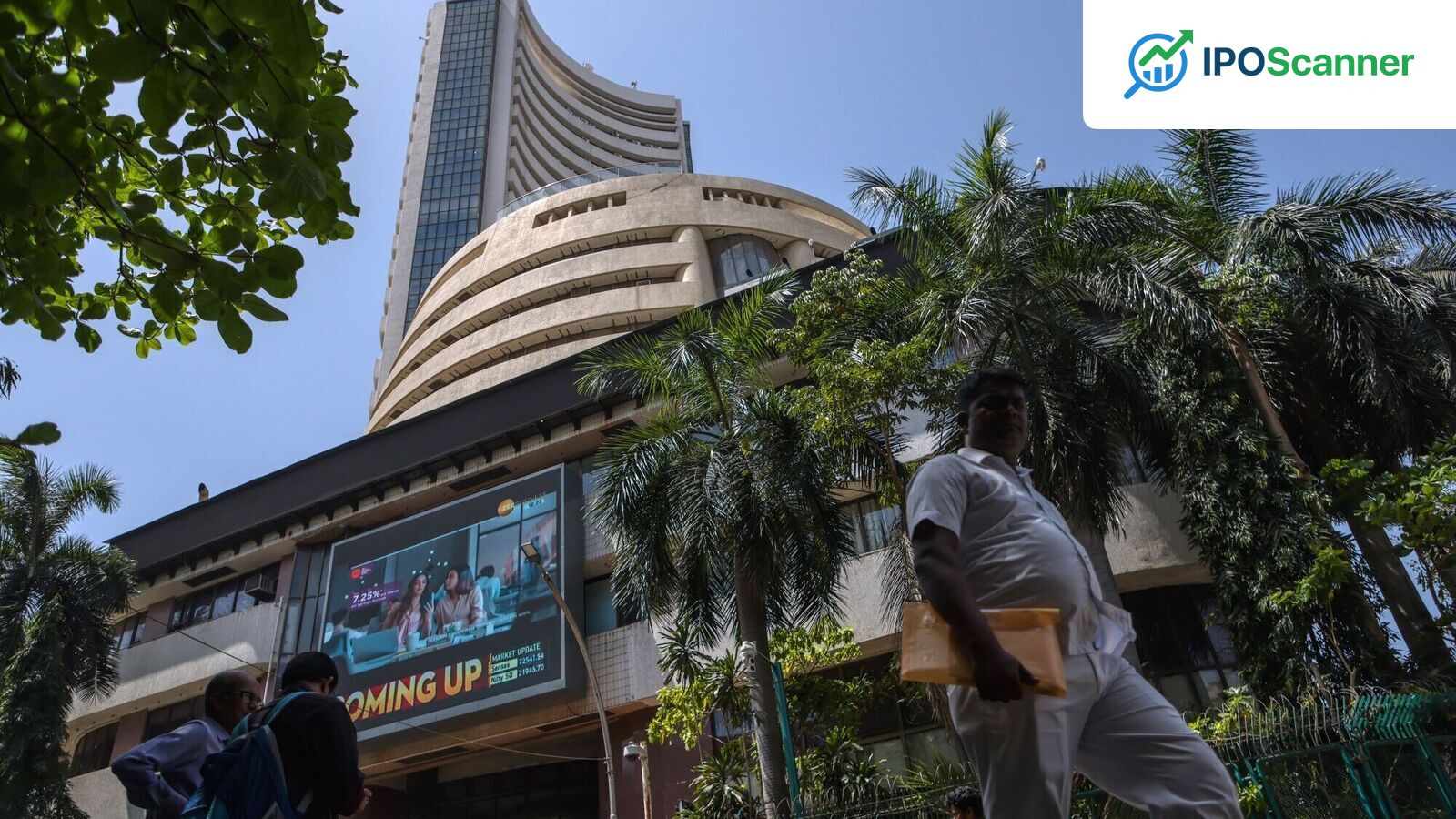
Market Volatility Shapes Investor Behaviour in India
Market Volatility and Consolidation: A Lesson for Retail Investors in India
The recent phase of market volatility and consolidation since September 2024 has served as an important lesson for retail investors in India, especially those who entered the market in large numbers after the pandemic. This period has reinforced the idea that equity investing is ultimately driven by long-term corporate earnings, business scalability, and valuation cycles rather than short-lived themes or momentum-led behavior. As earnings growth slowed and valuations peaked, foreign institutional investors (FIIs) have adopted a profit booking strategy, affecting domestic market performance and reminding investors that wealth creation in equities is best achieved through patience and a long-term perspective.
Despite appearing weaker than some global peers in recent months, the Indian market picture is more nuanced. For FIIs, developed markets and certain emerging markets currently offer more attractive opportunities due to lower valuations and exposure to themes such as artificial intelligence and new-age technologies. At the same time, India's macroeconomic position remains relatively strong, even as rising commodity prices, softer demand, and growing geopolitical uncertainty have increased near-term risks to growth and fiscal stability. These concerns, along with continued rupee weakness (FII net outflow & stagnation in FDI) and higher crude prices, have hurt sentiment and made foreign investors more cautious. India still trades at a premium to other emerging markets, though that premium has moderated closer to long-term averages.
This suggests that while near-term volatility may persist, India could again attract stronger foreign flows once global risks recede and the domestic earnings cycle begins to recover. The June quarter is likely to remain weak, but economic and geopolitical risks are expected to stabilize by the September quarter.
Read also: Treasury Yields Experience Largest Increase in Two Weeks Following Release of Labor Market Data
In this environment, diversification is becoming increasingly important for investors. Allocating 10–20% of a portfolio to foreign equities can help investors access global themes such as AI and space that may not yet be fully available in India, while also reducing dependence on domestic market cycles. During the ongoing consolidation, defensive sectors such as pharma, healthcare, and telecom remain relatively resilient due to stable demand, stronger balance sheets, and lower sensitivity to economic disruptions. Going forward, FMCG may also draw interest due to price hikes, GST rationalization, and steady volume growth, though heatwaves and a weaker monsoon could pose a short-term challenge.
| Sector | Current Premium to Large Caps | Three-Year Average Premium |
|---|---|---|
| Mid-caps | 45% | 41% |
Table: Mid-caps trading at a 45% premium to large caps compared to a three-year average of 41%.
IT, meanwhile, may emerge as a contrarian opportunity given improving valuations and long-term transformation potential from the rise of AI. In the total consolidation period of 20 months, large caps have performed better compared to the broad market. Mid-caps have rallied strongly over the past two months, with indices climbing to fresh highs. Strong inflows into mid- and small-cap funds despite volatility indicate that domestic investors are behaving differently from previous periods of uncertainty.
Read also: US-Iran Tensions Spark Uptick in Oil Prices Amid Global Market Decline
Supported by systematic investment plan flows, many retail investors now appear more willing to stay committed through short-term noise, signaling a gradual but meaningful shift from chasing quick gains toward building long-term wealth through disciplined equity investing. The move has been driven by a revival in domestic inflows from both institutional and retail investors, while FII selling has remained more concentrated in large caps.
Slightly better-than-expected Q4 results and the recent extension of the US-Iran ceasefire have further improved sentiment. A lasting ceasefire could strengthen this trend, although weak June-quarter earnings and an uneven monsoon forecast remain near-term risks. From a liquidity perspective, the SIP stoppage ratio, including cancellations and tenure completions, has crossed the critical 100% mark, largely in small- and mid-cap segments. However, it remains to be seen whether this will materially affect mid-cap performance, as overall inflows continue to hold up, supported by stronger hands like HNI & Corporates.
On valuations, mid-caps are trading at a 45% premium to large caps, compared with a three-year average of 41%, suggesting that the current trend may persist as fund flows remain supportive. At the same time, large caps are also becoming attractive, and their recent underperformance offers tactical buying opportunities, especially if FII selling eases following a more durable resolution in West Asia & drop in crude price.
Vinod Nair, Head of Research at Geojit Investments Limited
Investor Takeaway
Investors should adopt a long-term perspective and focus on corporate earnings, business scalability, and valuation cycles rather than short-lived themes or momentum-led behaviour.
More in Market

Treasury Yields Experience Largest Increase in Two Weeks Following Release of Labor Market Data

US-Iran Tensions Spark Uptick in Oil Prices Amid Global Market Decline

Indian Stocks to Watch: BHEL, Agarwal Industrial, JBM Auto, Rajesh Exports, Indian Energy Exchange, Lenskart Solutions in Market Focus on June 4.