Market Experts See Modi Government's Oil Import and Remote Work Policies as Indicators of Potential Economic Interventions
India's Vulnerability to Rising Crude Oil Prices Revives Concerns on Dalal Street
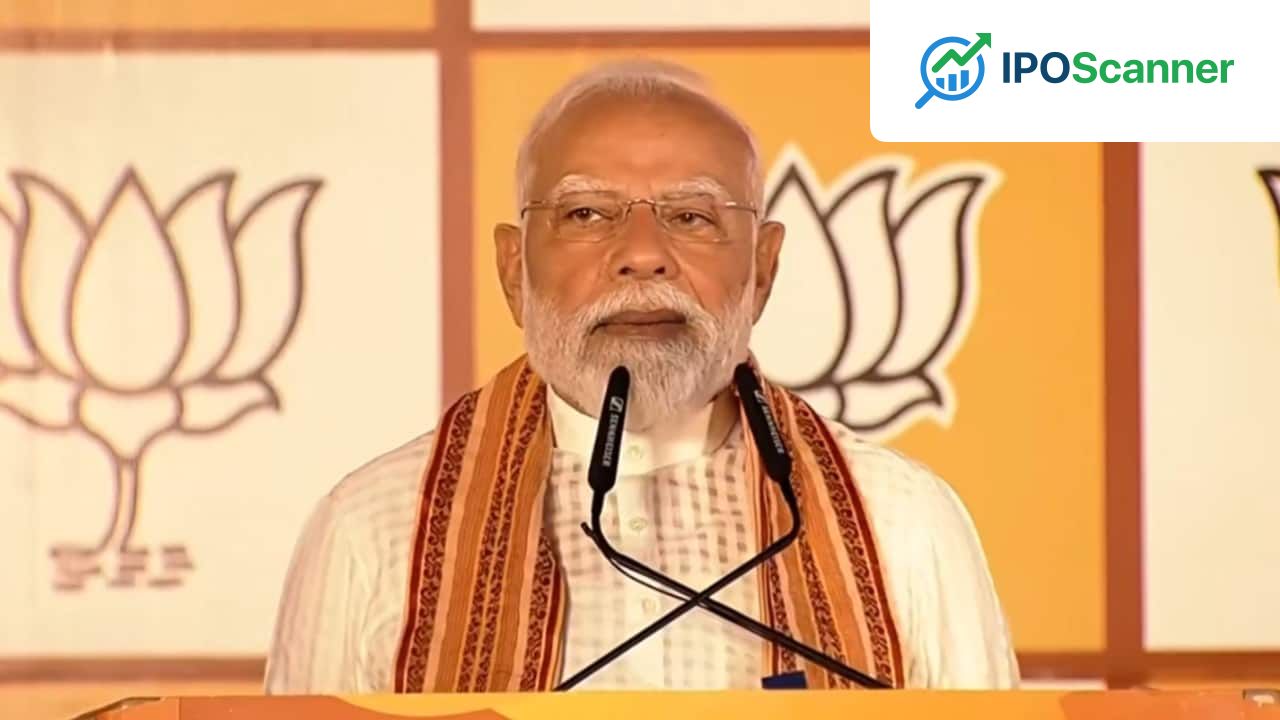
Prime Minister Narendra Modi's recent call to reduce fuel wastage and avoid unnecessary imports has revived concerns on Dalal Street around India's vulnerability to rising crude oil prices and widening external pressures. Investors and market experts say the remarks come at a time when elevated oil prices, forex outflows, and supply disruptions around the Strait of Hormuz are once again bringing India's import dependence into focus.
India imports nearly 85 to 90 percent of its crude oil needs, making oil one of the biggest drivers of the country's macro stability. The concern has intensified in recent weeks as crude oil prices surged amid fears of supply disruption around the Strait of Hormuz. Gold imports are adding to the pressure as the import bill remains elevated amid increasing dollar outflows. This is at a time when forex conservation is becoming more important.
Rising Crude Oil Prices and Forex Pressures
Read also: Treasury Yields Experience Largest Increase in Two Weeks Following Release of Labor Market Data
The Strait of Hormuz traffic is already running at 5 percent of pre-war volumes, with over 20,000 mariners stranded. Globally, the largest oil producer Aramco has iterated heightened pressure, stating that even if the Strait opens immediately, normalization will only happen in 2027. This geopolitical context is causing concern among market experts, who believe that the government's speech suggests limiting gold purchases, foreign travel, and working from home (WFH) to target the three largest discretionary FX spends: travel, gold, and fuel.
| Sector | Import Dependence |
|---|---|
| ICE auto companies | High |
| Outbound travel firms | High |
| Jewellery retailers dependent on gold demand | High |
| Domestic manufacturing, EVs, rail logistics, and public transport | Low |
Market experts believe that fuel-sensitive and import-linked sectors are likely to stay in focus if crude oil prices remain elevated. Analysts expect caution around ICE auto companies, outbound travel firms, and jewellery retailers dependent on gold demand. Meanwhile, sectors linked to domestic manufacturing, EVs, rail logistics, and public transport could benefit from the shift toward lower import dependence.
Potential beneficiaries are EV stocks, renewable energy companies, domestic edible oil processors, and ethanol/sugar stocks — given the ethanol blending push. Indian equities were already in a consolidation phase with foreign outflows, elevated crude prices, and inflation worries. Brokerages suggest markets could be reading the government's messaging as an attempt to encourage voluntary restraint before resorting to tougher policy measures or allowing a sharper pass-through in fuel prices.
Read also: US-Iran Tensions Spark Uptick in Oil Prices Amid Global Market Decline
Industry experts iterate that self-reliance is no longer just political messaging; it is increasingly being tied to economic resilience. The government appears keen to reduce pressure on foreign exchange reserves without resorting to abrupt controls or immediate fuel price hikes.
For now, however, markets see the messaging as precautionary rather than alarming. India still has strategic petroleum reserves and diversified crude sourcing. OMCs have also shielded consumers from a full pass-through in global prices so far. The warning lies in the fact that prolonged high crude oil prices could eventually force adjustments.
Investor Takeaway
Investors should monitor India's trade deficit and oil import dependence for potential economic interventions.
More in Economy

Treasury Yields Experience Largest Increase in Two Weeks Following Release of Labor Market Data

US-Iran Tensions Spark Uptick in Oil Prices Amid Global Market Decline

MoSPI Releases Uniform Norms for DDP Estimates with 2022-23 Base Year

