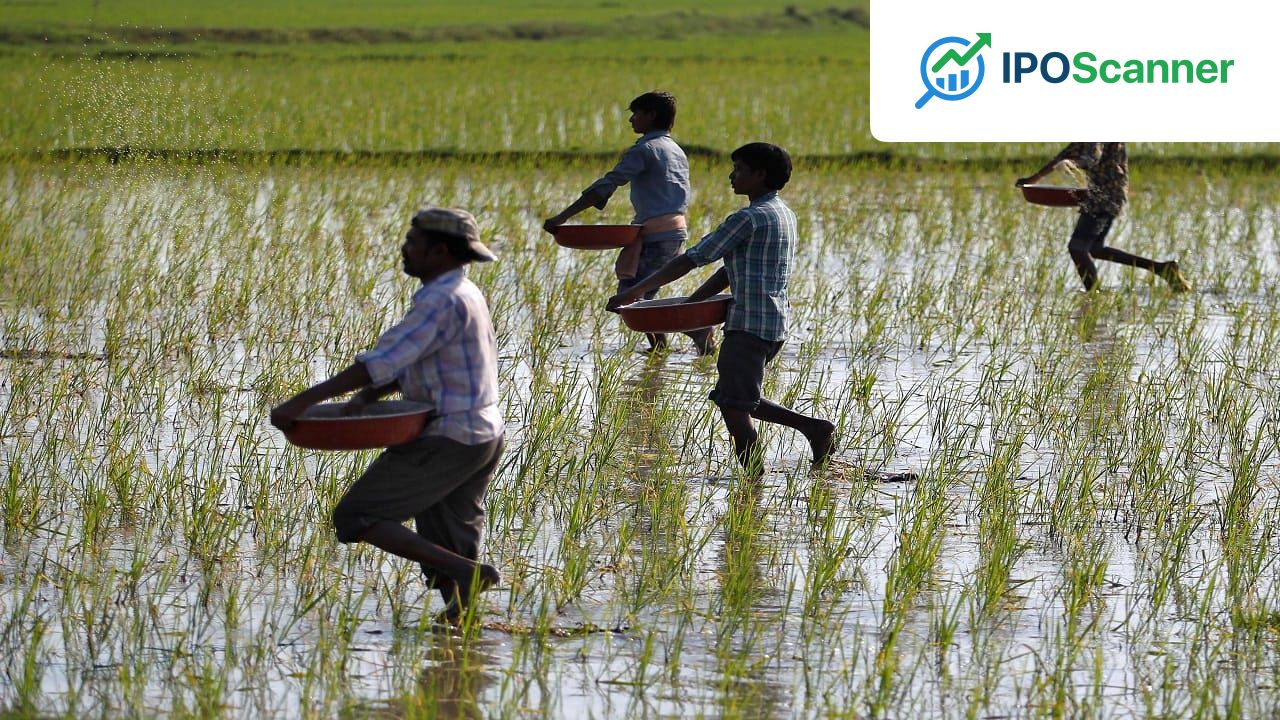
Maharashtra CM Fadnavis Urges Banks to Decouple Crop Loan Sanctions from Farmers' Credit Scores
Maharashtra Government Takes Steps to Support Farmers Ahead of Kharif Crop Season
Maharashtra Chief Minister Devendra Fadnavis announced on Thursday that banks have been directed not to link the sanction of crop loans to farmers' CIBIL scores, in an effort to prevent harassment of farmers due to creditworthiness issues.
During a meeting to review preparedness for the upcoming kharif crop season, Fadnavis also warned of strict action against fertiliser dealers forcing farmers to purchase additional products. The government has implemented a strict policy against such practices, with licenses of over 400 fertiliser dealers suspended or cancelled for violating regulations.
The government has planned to implement the promised farm loan waiver scheme soon, with discussions already taking place in the cabinet. The loan waiver will be implemented before June 30, once data from the remaining districts is available. Maharashtra's kharif cultivation area is around 152 lakh hectares, with soybean and cotton accounting for nearly 88 lakh hectares.
Read also: Treasury Yields Experience Largest Increase in Two Weeks Following Release of Labor Market Data
The government is preparing for a potentially difficult monsoon season, with rainfall estimates suggesting that the state may receive around 88% of the long-term average. However, rainfall distribution may vary across regions, particularly in parts of West Vidarbha, Marathwada, and North Maharashtra.
Comparison of Maharashtra's Kharif Cultivation Area
| Crop | Kharif Cultivation Area (lakh hectares) |
|---|---|
| Soybean | 44.5 |
| Cotton | 43.5 |
| Maize | 10 |
| Paddy | 20 |
| Tur | 5 |
| Bajra | 10 |
| Total | 133 |
To tackle the situation, the government has directed the speedy implementation of Jal Yukta Shivar works to conserve rainwater and provide protective irrigation wherever possible. District administrations have been asked to prepare contingency plans and ensure the availability of resilient seed varieties suited to changing weather conditions.
Read also: US-Iran Tensions Spark Uptick in Oil Prices Amid Global Market Decline
Adequate stocks of soybean, cotton, maize, paddy, tur, and bajra seeds are available, and the government will ensure the supply of certified seeds. The state has planned fertiliser supply of around 48 lakh metric tonnes.
The government has also launched digital agriculture initiatives, including the "Mahavistar 2.0" app, which uses AI to provide farmers information on cropping patterns, pest control, weather forecasts, and crop prices in local languages. Farmers can also upload crop photographs through the "Cropsap" platform to get information about crop health, pest attacks, and required treatment measures.
Additionally, the government has launched a digital crop survey system, allowing farmers to upload crop details directly through mobile phones, which would help improve accuracy in crop insurance records and claims. The state has also launched a Central Bank Digital Currency (CBDC)-based payment mechanism, which would directly transfer money from government schemes to a farmer's digital wallet.
Maharashtra has made significant progress in agricultural exports, with the state accounting for 94% of the country's grape exports, 86% of banana exports, and 85% of onion exports. The state has also made significant progress in direct benefit transfers through MahaDBT, with assistance worth Rs 91,659.50 crore distributed in 2025-26, benefiting farmers on a large scale.
Investor Takeaway
The government's decision to decouple crop loan sanctions from farmers' credit scores may positively impact farmers' access to credit.
More in Economy

Treasury Yields Experience Largest Increase in Two Weeks Following Release of Labor Market Data

US-Iran Tensions Spark Uptick in Oil Prices Amid Global Market Decline

MoSPI Releases Uniform Norms for DDP Estimates with 2022-23 Base Year

