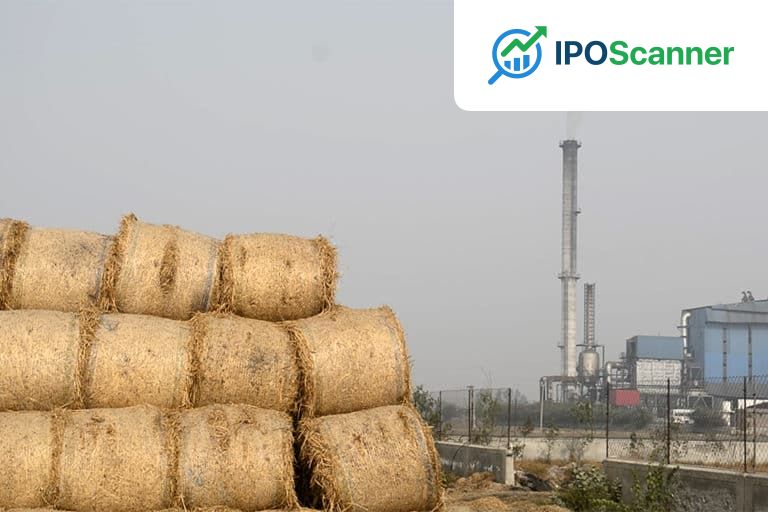
LPG Shortage Forces Shift Towards Dirtier Fuels in India
India Cooking Gas Supply Disrupted by US-Israel War with Iran
Key Figures:
- 21: Number of Indian-flagged vessels stalled in the Strait of Hormuz
- 48,000 kilolitres: Additional kerosene allocation approved by the central government
- 60%: Percentage of India's LPG requirements imported
- 7.5 million tonnes: Kerosene production in 2014-15
- 1 million tonnes: Kerosene production in 2023-24
- 79%: Percentage of India's domestic energy supply generated from coal in 2023-24
Background
Read also: Treasury Yields Experience Largest Increase in Two Weeks Following Release of Labor Market Data
A conflict in the Strait of Hormuz, which began on February 28, has disrupted shipping and squeezed cooking gas supplies to India. The Strait carries about one-fifth of the world’s oil and gas supply and handles roughly half of India’s LNG imports and most of its LPG shipments.
Supply Disruptions and Government Response
Since Monday, three Indian-flagged vessels have reached Gujarat, but around 21 ships remain stalled, keeping supplies tight. The central government has approved an additional 48,000 kilolitres of kerosene for states to support low-income households. Restaurants and hotels have been allowed to temporarily switch to alternative fuels, including biomass, fuel pellets, kerosene, and coal, for a month.
Shift to Alternative Fuels and Health Risks
Read also: US-Iran Tensions Spark Uptick in Oil Prices Amid Global Market Decline
The shift to alternative fuels is likely to be temporary, and experts warn that increased use of kerosene, coal, and biomass could worsen indoor air pollution. These fuels release carbon monoxide, nitrogen oxides, and fine particulate matter that can enter the bloodstream.
Urban Exposure and Power Demand
Urban households may be more exposed to fuel shortages as they have fewer fallback options compared to rural areas. Increased electricity demand could worsen India's dependence on coal, which accounted for nearly 79% of the country's domestic energy supply in 2023-24.
Alternative Solutions and Rural Response
Technologies such as solar cookers and solar-powered electric cooking systems could reduce dependence on fossil fuels and improve household energy resilience. However, such solutions would take time to scale. Rural households may revert to biomass such as firewood and subsidised kerosene or shift to electricity, biogas, or improved cookstoves where available.
Investor Takeaway
Investors should be cautious of potential disruptions in global energy supplies due to geopolitical tensions.
More in Economy

Treasury Yields Experience Largest Increase in Two Weeks Following Release of Labor Market Data

US-Iran Tensions Spark Uptick in Oil Prices Amid Global Market Decline

MoSPI Releases Uniform Norms for DDP Estimates with 2022-23 Base Year

