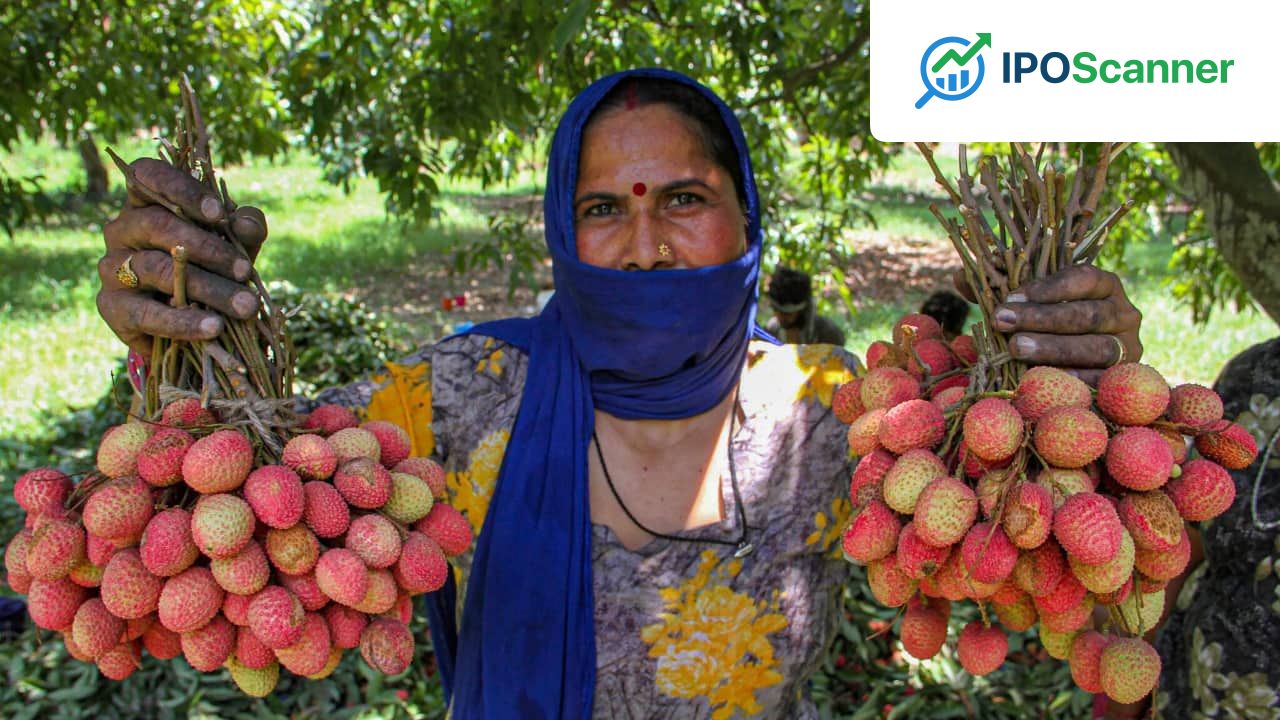
Litchi Cultivation Gains Momentum in Jammu as Farmers See Increased Returns under Horticulture Development Program
Farmers in Jammu Region Embracing High-Density Litchi Cultivation
Farmers in the Jammu region are increasingly turning to litchi cultivation under the high-density plantation (HDP) programme, attracted by better yields and annual earnings of around Rs 24,000 to Rs 30,000 from a kanal of land.
The Jammu and Kashmir administration has set a target of converting over 3,200 kanals of conventional litchi orchards into high-density plantations over the next few years to boost productivity and farmers' income.
According to Director Horticulture Jammu Gul Syed, farmers can earn an annual income of around Rs 24,000 to Rs 30,000 from a kanal (0.125 acre) of land. Apart from its profitability, litchi also has significant nutritional value.
Read also: Treasury Yields Experience Largest Increase in Two Weeks Following Release of Labor Market Data
Scores of farmers have taken up the cultivation of the litchi in vast lands on the outskirts of Jammu city. The administration is providing all necessary support to growers, including assistance in the marketing of litchi and other fruits.
Lieutenant Governor Manoj Sinha has appreciated the role of progressive farmers in encouraging small and marginal farmers to diversify towards high-value horticulture crops. To promote litchi cultivation and improve productivity, the Horticulture Department is extending subsidies under various schemes.
Farmers adopting high-density plantation techniques are being provided subsidies of up to 50 per cent, which has encouraged many growers to establish litchi orchards on a larger scale. Litchi cultivation performs best in areas with assured irrigation facilities and adequate water availability.
The fruit is rich in carbohydrates, natural sugars, vitamin C, potassium, and several micronutrients, besides containing antioxidants beneficial for health. A single litchi fruit can provide nearly nine per cent of the recommended daily allowance of vitamin C.
Read also: US-Iran Tensions Spark Uptick in Oil Prices Amid Global Market Decline
The department is providing technical guidance, quality planting material, and other support services to improve production and productivity. Micro-irrigation systems are also being promoted, alongside high-density plantation techniques.
Incentives have encouraged more farmers to adopt litchi cultivation and increase their income. Areas such as Marh and RS Pura, where irrigation facilities are readily available, are witnessing a significant expansion of litchi orchards.
The department is also organising training programmes on scientific litchi cultivation, orchard management, pruning, and high-density plantation methods to help farmers maximise returns. The objective of these initiatives is to strengthen the horticulture sector and enhance farmers' income.
Comparison of Subsidies Offered by the Horticulture Department
| Scheme | Subsidy Percentage |
|---|---|
| High-Density Plantation | Up to 50% |
| Other Schemes | Varying subsidies |
Note: The subsidies offered by the Horticulture Department may vary depending on the scheme and the specific requirements of the farmers.
More in Economy

Treasury Yields Experience Largest Increase in Two Weeks Following Release of Labor Market Data

US-Iran Tensions Spark Uptick in Oil Prices Amid Global Market Decline

MoSPI Releases Uniform Norms for DDP Estimates with 2022-23 Base Year

