Kotak Mahindra Bank Sees Surge in SME Working Capital Demand Amid Supply Disruptions
Kotak Mahindra Bank Sees Rise in Working Capital Demand from SMEs Amid Global Supply Disruptions
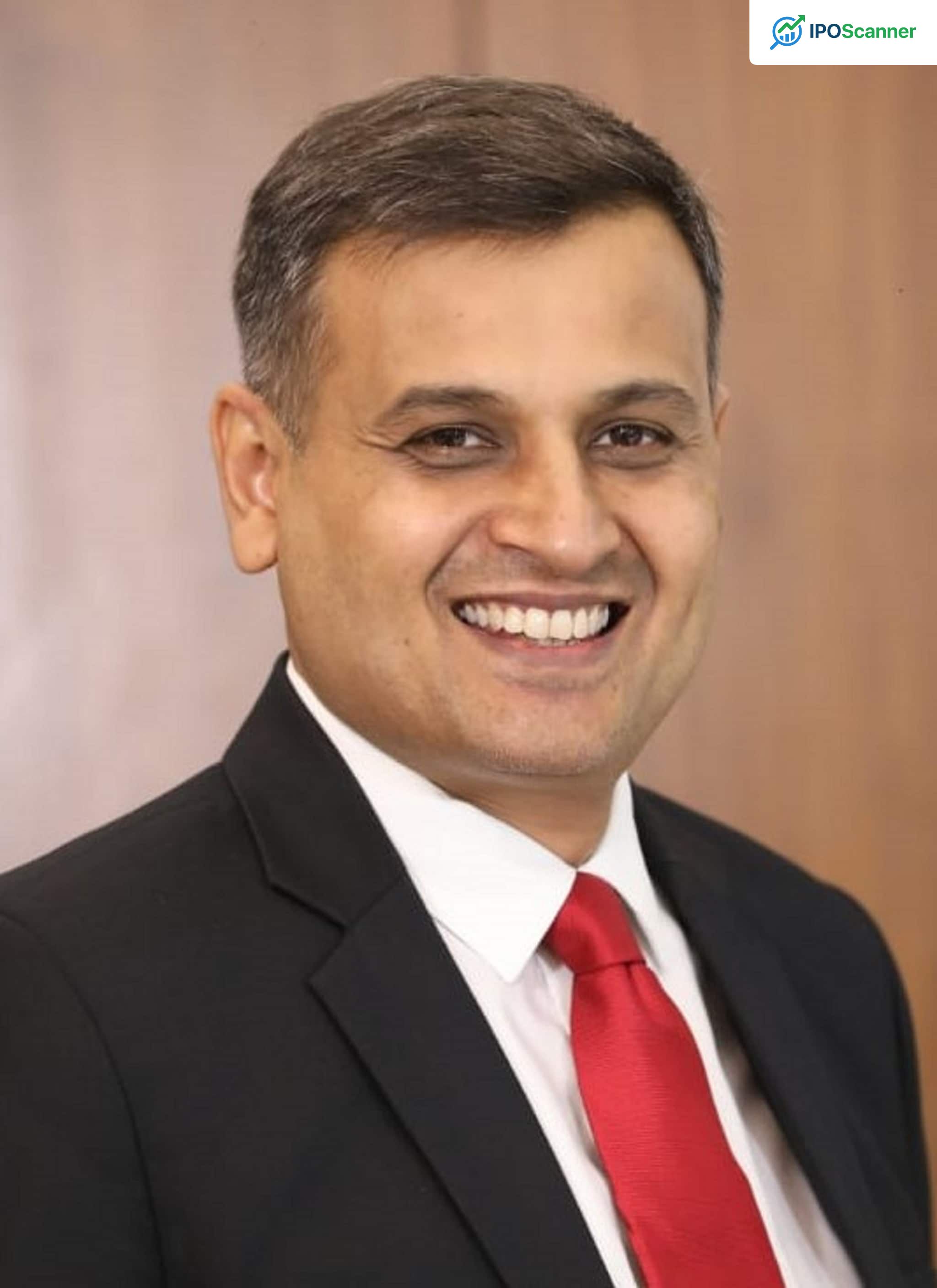
Kotak Mahindra Bank is experiencing a surge in working capital demand from small and medium enterprises (SMEs) due to global supply disruptions and higher input costs. However, the demand is primarily driven by inventory stocking and supply-side bottlenecks rather than financial stress, according to Shekhar Bhandari, president and head of SME business at Kotak Mahindra Bank.
Higher input costs and slower inventory allocation cycles are already increasing working capital requirements for businesses across sectors. The US-Iran war, which has entered its third month, has triggered supply disruption as the Strait of Hormuz, a vital energy route, remains blocked. Bhandari noted that the cost of inputs will rise, and allocation cycles will take longer, leading to a higher need for working capital.
| Sector | Growth in FY27 (if geopolitical tensions ease by June 30) | Growth in FY27 (if tensions persist) |
|---|---|---|
| SMEs | 25% | 15-20% |
Read also: Treasury Yields Experience Largest Increase in Two Weeks Following Release of Labor Market Data
Bhandari stated that if the resolution of the conflict happens by June 30, the bank's SME business could maintain a similar growth trajectory of around 25 percent in FY27. However, a prolonged disruption would force lenders to become more selective and cautious on sectoral exposures, potentially affecting growth by 5-10 percent.
Kotak Mahindra Bank's SME portfolio remains diversified, with no single sector accounting for more than 10 percent of the overall book. Bhandari emphasized the importance of SMEs in India's economic growth, citing that they will play a significant role in making India a larger economy over the next decade.
The bank remains optimistic on sectors linked to infrastructure, renewables, electric mobility, logistics, drones, and semiconductors. Bhandari pointed to structural changes underway within India's SME ecosystem, including improving governance standards and greater formalisation driven by GST and digital payments.
Despite growing geopolitical uncertainty, Bhandari stated that the bank is not yet witnessing repayment stress or cash-flow deterioration in the SME segment. However, he cautioned that if the current disruptions continue for another 45-60 days, demand for working capital could rise sharply and eventually require government intervention similar to support measures introduced during the COVID-19 pandemic.
Read also: US-Iran Tensions Spark Uptick in Oil Prices Amid Global Market Decline
Kotak Mahindra Bank continues to remain disciplined in lending amid uncertainty, and Bhandari noted that the bank has been very disciplined in lending, with an extra eye on caution. The bank is also leveraging artificial intelligence (AI) to significantly reduce turnaround times in SME lending and improve productivity.
AI-based underwriting tools rely on GST filings, income-tax returns, bank statements, and payment behavior data to assess borrowers and monitor risks. However, SME lending still requires physical verification and human judgment despite rapid digitisation.
Traditional lenders, including Kotak Mahindra Bank, have narrowed the gap on speed and customer onboarding through digitisation while retaining pricing advantages over fintech lenders and non-banking financial companies.
More in Economy

Treasury Yields Experience Largest Increase in Two Weeks Following Release of Labor Market Data

US-Iran Tensions Spark Uptick in Oil Prices Amid Global Market Decline

MoSPI Releases Uniform Norms for DDP Estimates with 2022-23 Base Year

