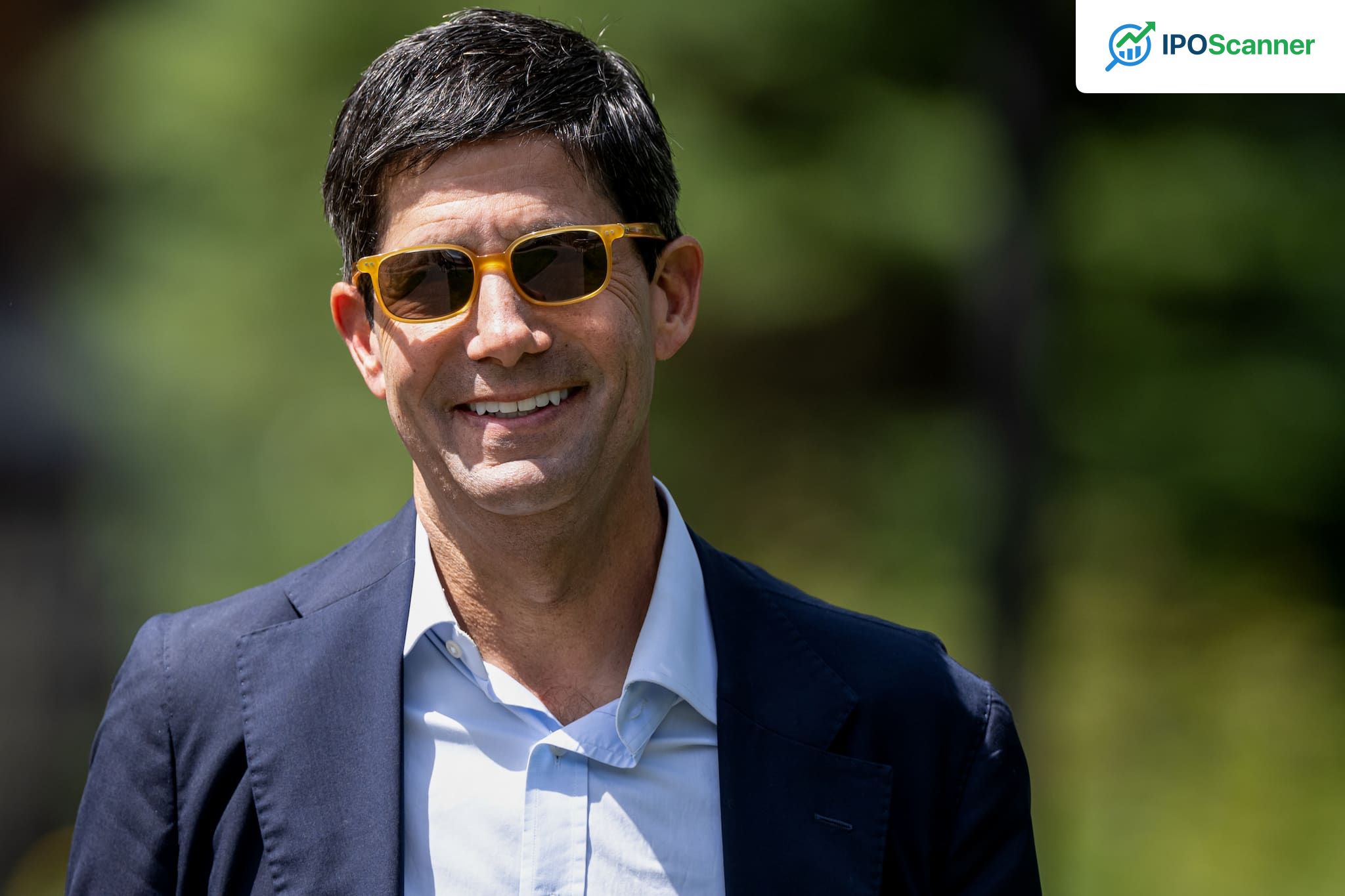
Kevin Warsh, US Fed Chair Nominee, Noted for Independent Stance
Former Fed Governor Kevin Warsh Nominated as Next Federal Reserve Chairman
Very soon, former Fed Governor Kevin Warsh is likely to be confirmed as the Chairman of the Federal Reserve. His nomination on 30th January 2026 by President Donald Trump, to be the next Federal Reserve Chair, when the term of the current Chairman, Jerome Powell ends, led to a sharp selloff - indeed a blood bath for silver and gold. Silver fell by 26% and gold by 9% on that day. Bitcoin, which at inception in 2009 was conceived as a form of digital gold, fell by over 6% after the announcement. These responses could be seen as a vote of confidence in the Fed and the judgment of the global financial markets that Warsh will be independent.
Against this backdrop, the savage grilling that he was subject to by Senator Elizabeth Warren and others during the confirmation hearings yesterday was both unfair and pointless. Unfair because the Fed Chair nominee cannot be expected to frankly air his or her views about the validity of the presidential elections. Pointless because the extent to which any central banker makes independent decisions depends upon the legal rules that protect the appointment rather than personality and orientation. The best way to ensure the much-needed independence is a non-renewable and non-dismissible long-term for the Governor, as I have suggested in a review of former RBI Governor Subbarao's book. Seemingly tough Governors have caved in under pressure to get a reappointment.
A Track Record of Independence
Read also: Treasury Yields Experience Largest Increase in Two Weeks Following Release of Labor Market Data
Nevertheless, it will not harm and may help to delve into Warsh's track record for clues as to how he will function. After a long stretch at Morgan Stanley, his first job, where he rose to head mergers and acquisitions, Kevin Warsh then joined the government in 2002 as Special Assistant to President Bush for Economic Policy and Executive Secretary of the National Economic Council. In January 2006, President Bush then appointed him as Federal Reserve Board Governor, the youngest ever, for a term up to 2018.
With regard to the September 2008 global financial crisis, it could be said to his credit that he was fairly ahead of the curve. Granted, he did not raise alarm bells about the huge surge in subprime mortgage lending in the preceding years, and the dangers from massive securitization of loans, let alone explicitly call for macro prudential regulation. However, in March 2007 Warsh spoke broadly on the risks of liquidity drying up in financial markets. Just after the rescue of collapsing Bear Stearns in mid-March 2008, he explicitly stated that the "existing business model of investment banks (i.e. of investment banks) will not endure through this period" pointing to the need to capitalize them a lot.
A Strong Sense of Independence
In my opinion, where he stands out is what can be called his team playing spirit coupled with a strong sense of independence. After agreeing to inject massive liquidity during the crisis phase, Warsh, along with some other regional Governors, was keen on ending Quantitative Easing, which Chairman Bernanke continued to vigorously pursue, during 2010. Warsh stated he was against it but then settled for a compromise.
Read also: US-Iran Tensions Spark Uptick in Oil Prices Amid Global Market Decline
He deferentially voted along with the others at the FOMC Meeting in November 2010 to support Bernanke's policies. However, shortly afterwards he gave a speech and published an op-ed article in the Wall Street Journal expressing his reservations about the easing.
A Path Forward
By nominating Warsh, despite his track record of publicly dissenting, President Trump signalled his acceptance of an independent central bank. Turning to his concrete recommendations and predictions, Warsh has strongly and repeatedly called for shrinking the Fed's balance sheet. That is easy to agree with. He has correctly pointed to the distortions and rising financial inequality arising from the somewhat exponential rise in the Fed's balance sheet, and that needs to be rectified.
| Central Bank Balance Sheet | Warsh's Recommendation | Current Balance |
|---|---|---|
| Federal Reserve | Shrink the balance sheet | $8.5 trillion |
In his leaked nomination speech, Warsh has stated that the Fed should "stay in its lane". In my opinion, the Fed has failed to do that in many ways, specifically its mortgage-related policies. Indeed, one reason for the subprime mortgage market collapse was the Fed's foray to promote affordable housing finance. While affordable housing is badly needed, that needs to be tackled by changing the zoning laws to allow multi-story apartments in residential areas.
The Future Ahead
It remains to be seen whether President Trump one day might come to regret his nominee, who may pursue policies with an economic fallout that endanger his political situation. At present, the much bigger economic danger to the President is the impact of the closure of the Strait of Hormuz on retail gasoline prices.
(Vivek Moorthy is Distinguished Professor, St. Joseph's Institute of Management, Bengaluru.)
Views are personal, and do not represent the stand of this publication.
Investor Takeaway
The confirmation of Kevin Warsh as the Federal Reserve Chair may have a positive impact on the global financial markets.
More in Economy

Treasury Yields Experience Largest Increase in Two Weeks Following Release of Labor Market Data

US-Iran Tensions Spark Uptick in Oil Prices Amid Global Market Decline

MoSPI Releases Uniform Norms for DDP Estimates with 2022-23 Base Year

