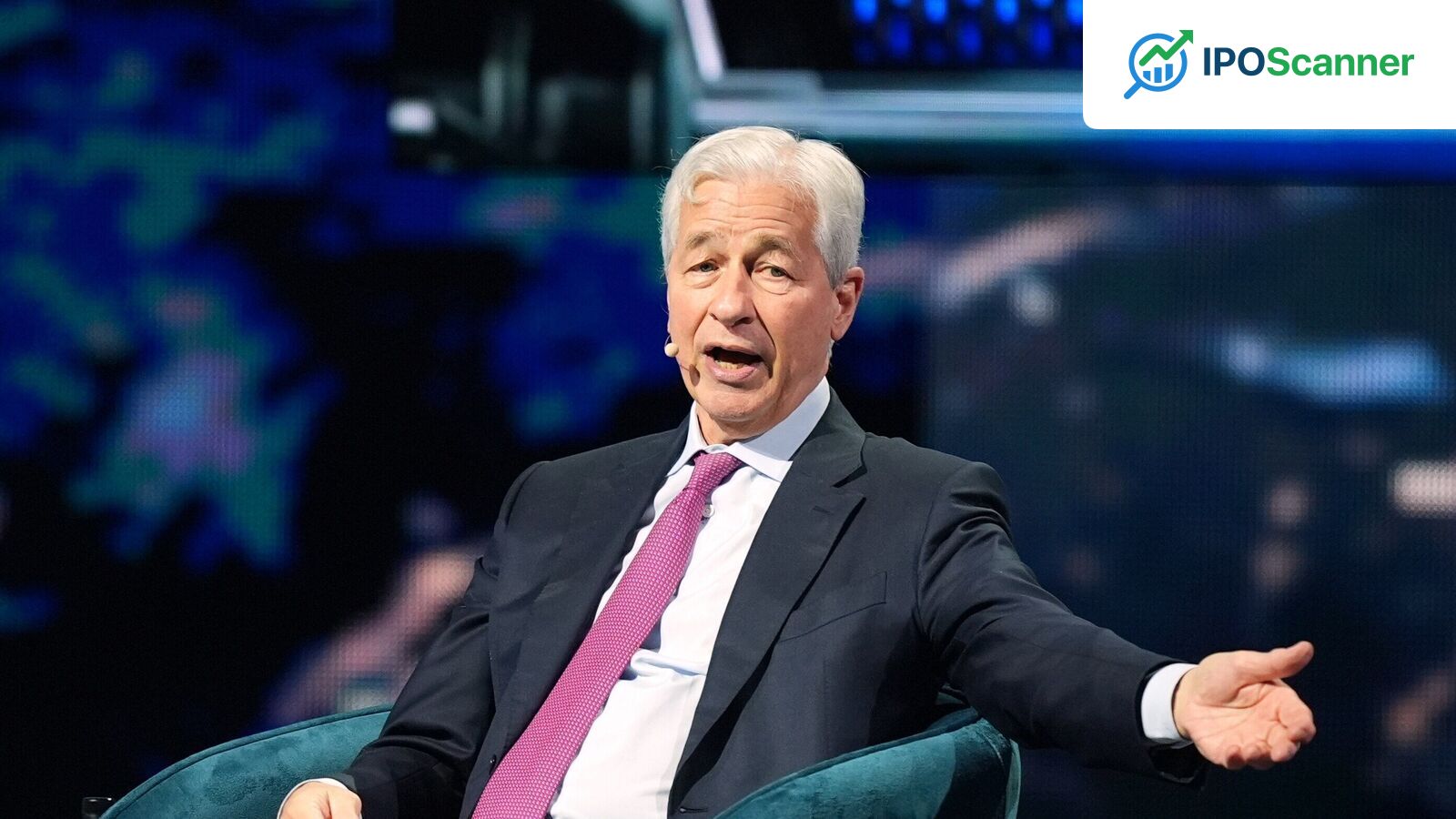
JPMorgan CEO Warns of Rising AI and Geopolitical Risks to the Bank
JPMorgan Chase CEO Calls for Renewed Commitment to American Values Amid Global Uncertainty
As the bank navigates rising geopolitical tensions, economic uncertainty, and the industry-wide impact of artificial intelligence, JPMorgan Chase CEO Jamie Dimon has urged a renewed commitment to core American values. In his annual shareholder letter released on Monday, Dimon pointed to the 250th anniversary of the United States as "the perfect time" to rededicate the principles that shaped the nation, including freedom, liberty, and opportunity.
The challenges facing the country and the global economy are significant, according to Dimon. At the top of the list are the ongoing war and violence in Ukraine, the current war in Iran, and the broader hostilities in the Middle East, terrorist activity, and growing geopolitical tensions, importantly with China.
Despite these challenges, Dimon remains confident that America will do what it has always done – look to the values that have defined the nation and sustained its leadership of the free world. In the letter, Dimon highlighted several headwinds facing the global economy, including ongoing geopolitical conflicts and persistent inflation.
Read also: Treasury Yields Experience Largest Increase in Two Weeks Following Release of Labor Market Data
Geopolitical Risks and Trade Tensions
| Risk | Description |
|---|---|
| Ongoing wars in Ukraine and Iran | Impacts on commodities and global markets |
| Persistent inflation | Uncertainty and ripple effects on the economy |
| Realignment of economic relations | US trade policy and its impact on trade partners |
Dimon identified geopolitical tensions as the biggest risk facing his bank, pointing to the ongoing wars in Ukraine and Iran and their impacts on commodities and global markets. He warned that these conflicts are "the realm of uncertainty," where outcomes can be unpredictable and ripple across the economy.
The outcome of current geopolitical events may very well be the defining factor in how the future global economic order unfolds, Dimon noted. He also highlighted a "realignment of economic relations in the world" brought on by US trade policy, which has introduced sweeping tariffs on dozens of America's trade partners and import categories.
Read also: US-Iran Tensions Spark Uptick in Oil Prices Amid Global Market Decline
Impact of Artificial Intelligence
Dimon described the pace of AI adoption as "transformational," but also noted that it remains to be seen how the AI revolution will ultimately unfold. The investment in AI is not a speculative bubble, but rather it will deliver significant benefits, according to Dimon.
However, predicting the ultimate winners and losers in AI-related industries is challenging, and Dimon noted that the bank will not "put its heads in the sand" and will deploy AI to do a better job for its customers and employees.
In February, Dimon said AI is changing how JPMorgan's workforce functions and that the bank had "huge redeployment plans" for its employees. The bank has been among the leading Wall Street companies integrating artificial intelligence across its operations, including using agentic AI to speed up workflows and improve outcomes for customers and shareholders.
Investor Takeaway
Investors should be cautious of rising geopolitical tensions and their potential impact on the global economy.
More in Economy

Treasury Yields Experience Largest Increase in Two Weeks Following Release of Labor Market Data

US-Iran Tensions Spark Uptick in Oil Prices Amid Global Market Decline

MoSPI Releases Uniform Norms for DDP Estimates with 2022-23 Base Year

