Japanese Crude Supertanker Idemitsu Maru Navigates Strait of Hormuz in Conflict's First Major Maritime Test
Japan-Linked Supertanker Sails Through Strait of Hormuz Amid Ongoing Iran War
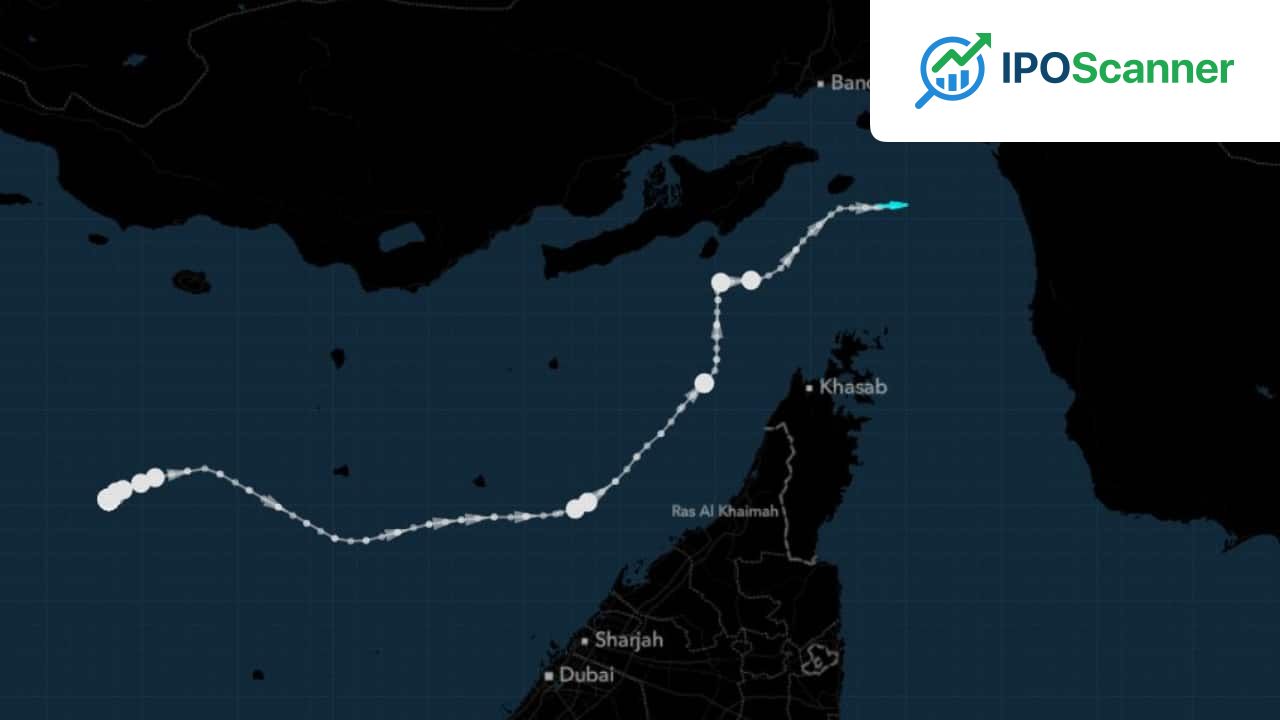
A Japan-linked supertanker, Idemitsu Maru, has appeared to be sailing through the Strait of Hormuz, marking what may be the first attempt by an oil carrier from Japan to leave the Persian Gulf since the Iran war began. The Idemitsu Maru began sailing late Monday toward the strait from northwest of Abu Dhabi, where it had idled for more than a week, according to tracking data.
The supertanker, which is carrying 2 million barrels of crude loaded from Saudi Arabia's Juaymah terminal in early March, was seen sailing through the Strait of Hormuz on Tuesday. The 2007-built Panama-flagged very large crude carrier had entered the Persian Gulf a few days before war between the US and Iran broke out in late February. It is listed as being operated by the tanker arm of Japanese energy conglomerate Idemitsu Kosan Co.
A transit by a Japanese-owned tanker would be a shift in approach by the nation's refiners and shipowners, who tend to be conservative. Idemitsu Maru's attempt is also noteworthy as it's one of the largest tankers to do so since the US began a rival blockade of Iran two weeks ago. During that time, traffic through the strait has remained near zero.
Read also: Treasury Yields Experience Largest Increase in Two Weeks Following Release of Labor Market Data
While Japan is heavily dependent on Middle Eastern crude, its shipowners have been cautious amid the hostilities. Idemitsu, among other refiners, has relied on ship-to-ship transfers to procure some cargoes, with these taking place well outside the Persian Gulf. They have also turned to buying alternative supplies from the US ferried on smaller tankers.
| Carrier | Nationality | Cargo | Loaded From | Destination |
|---|---|---|---|---|
| Idemitsu Maru | Japan | 2 million barrels of crude | Saudi Arabia's Juaymah terminal | To be determined |
| Liquefied Petroleum Gas Carrier | Japan/India | Liquefied petroleum gas | Not specified | Facilitated by India |
Ship-tracking in the Strait of Hormuz may not accurately capture all transits as some vessels have transponders switched off, and signals in the region can be interfered with. A company spokesperson for Idemitsu Kosan Co. said that for safety reasons, the company would not comment on the status of individual vessels.
More in Economy

Treasury Yields Experience Largest Increase in Two Weeks Following Release of Labor Market Data

US-Iran Tensions Spark Uptick in Oil Prices Amid Global Market Decline

MoSPI Releases Uniform Norms for DDP Estimates with 2022-23 Base Year

