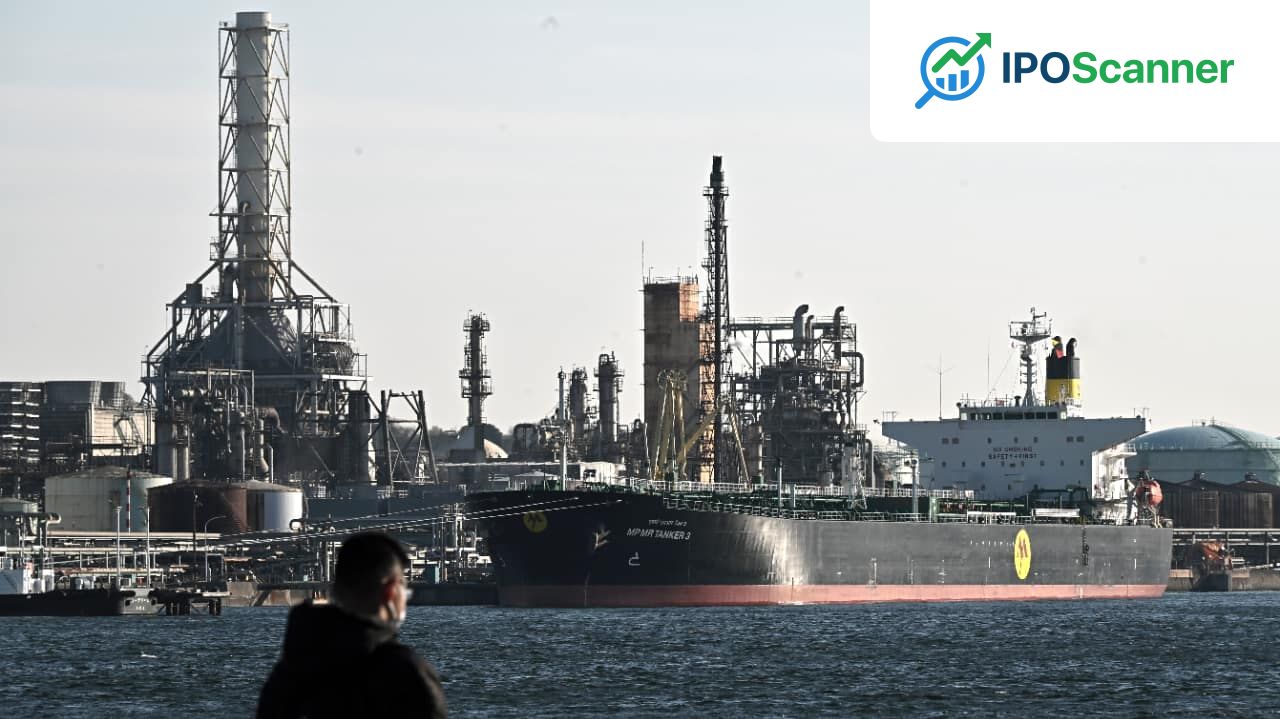
Japan Utilizes Smaller Vessels to Expedite Oil Imports Amid Supply Concerns
US Crude Deliveries to Japan Expedited Amid Iran War Disruptions
Japanese refiners are seeking to speed up deliveries of US crude following disruptions caused by the Iran war, opting for smaller ships that can transit the Panama Canal rather than sail around Africa. This approach allows the vessels to reach Japan much quicker, with a transit time of about 30 days through the Panama Canal compared with around 50 days via Africa.
Three mid-sized tankers are scheduled to deliver US oil to Japan from late April through May, with two already transiting the Panama Canal and moving into the Pacific Ocean. The third, Aframax Seaways Yosemite, is nearing the canal from the Caribbean. Typically, US oil is delivered to Japan on very-large crude carriers (VLCCs), which have the capacity to carry 2 million barrels, but are too big to traverse the Panama Canal and need to sail around Africa's southern tip to get to Asia. There are at least four VLCCs currently taking this route to Japan from America.
The use of smaller tankers signals the urgency of some Japanese refiners that are seeking to secure supplies. While the vessels can get to the Asian nation much quicker, they only carry a fraction of the crude of a VLCC. An Aframax can haul as much as 800,000 barrels of crude, while a Suezmax can carry around 1 million barrels. The Otis, one of the tankers that have cleared the Panama Canal and is scheduled to deliver oil to Chiba on Japan's west coast later this month, is a Suezmax class vessel.
Read also: Treasury Yields Experience Largest Increase in Two Weeks Following Release of Labor Market Data
Japanese refiners have purchased bumper volumes of US crude since the Iran war started in late February, snapping up millions of barrels for delivery across June and July as concerns about Middle East supply rippled through the market. The nation has also relied on ship-to-ship transfers of oil far from the Middle East to secure supplies and keep its tankers out of the conflict zone.
| Tanker Type | Capacity (Barrels) |
|---|---|
| VLCC | 2 million |
| Aframax | 800,000 |
| Suezmax | 1 million |
The outlook for a potential end to hostilities in the Middle East could mean the use of smaller tankers to carry US crude to Japan is fleeting, although refiners and market participants remain cautious about a temporary ceasefire. Under the terms of the deal, the crucial waterway of the Strait of Hormuz is supposed to reopen, which may see more oil flows from the Persian Gulf.
More in Economy

Treasury Yields Experience Largest Increase in Two Weeks Following Release of Labor Market Data

US-Iran Tensions Spark Uptick in Oil Prices Amid Global Market Decline

MoSPI Releases Uniform Norms for DDP Estimates with 2022-23 Base Year

