EconomyMar 1, 2026
Israel-Iran Conflict Sparks Largest Oil Market Crisis in Decades
Global Energy Markets Face Gravest Shock in Decades
Key Developments:
- Joint US and Israeli strikes on Iran and subsequent Iranian retaliatory missile attacks across the Gulf have disrupted oil exports from the world's most important producing region, accounting for 20% of global oil supplies.
- Benchmark Brent crude oil prices rose to around $70 a barrel in recent weeks, their highest since August 2025, as investors braced for military confrontation in the Middle East.
- The duration of the conflict will determine the scale of the disruption, with oil prices expected to see steep increases if the conflict persists.
Impact on Oil Exports:
Read also: Treasury Yields Experience Largest Increase in Two Weeks Following Release of Labor Market Data
- There have been no confirmed reports of damage to oil and gas infrastructure from Iranian retaliatory strikes, although explosions were reported in UAE and Kuwait, two major oil exporters.
- Qatar, the world's second-largest exporter of liquefied natural gas, intercepted missiles aimed at the country.
- Blasts were also heard in Bahrain and near Iran's Kharg Island, the terminal through which about 90% of its crude exports normally flow.
Shipping and Global Supply:
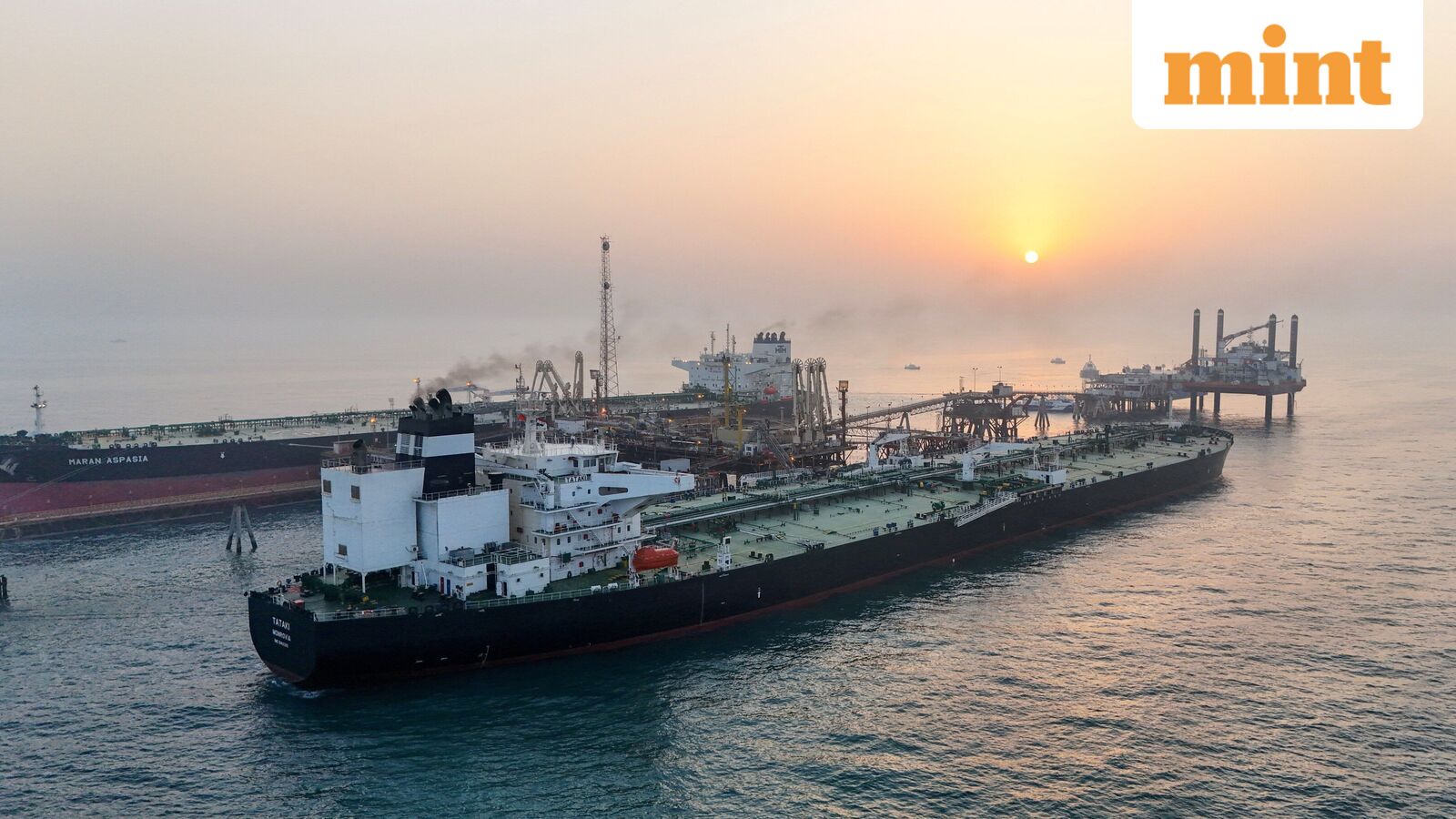
- Despite the absence of physical damage, the risk of disruptions to shipping through the Strait of Hormuz, which handles nearly 20 million barrels per day of crude oil and refined products, is already affecting producer, trader, and shipper movements.
- Tanker freight rates are set to rise further, with benchmark rates for very large crude carriers from the Middle East to China more than tripling since the start of the year.
Global Supply Cushion:
Read also: US-Iran Tensions Spark Uptick in Oil Prices Amid Global Market Decline
- The global oil market is relatively well supplied, with production increases from US, Brazil, Canada, and other countries in recent years.
- Saudi Arabia, the world's top oil exporter, has increased crude shipments, which are set to exceed 7 million barrels per day in February, the highest since April 2023.
- OPEC is expected to agree on an output increase during a meeting on Sunday.
Investor Takeaway
Investors should be prepared for potential steep increases in oil prices due to the ongoing conflict.
More in Economy

Market·1h ago
Treasury Yields Experience Largest Increase in Two Weeks Following Release of Labor Market Data

Economy·2h ago
US-Iran Tensions Spark Uptick in Oil Prices Amid Global Market Decline

Economy·4h ago
MoSPI Releases Uniform Norms for DDP Estimates with 2022-23 Base Year

Economy·4h ago
