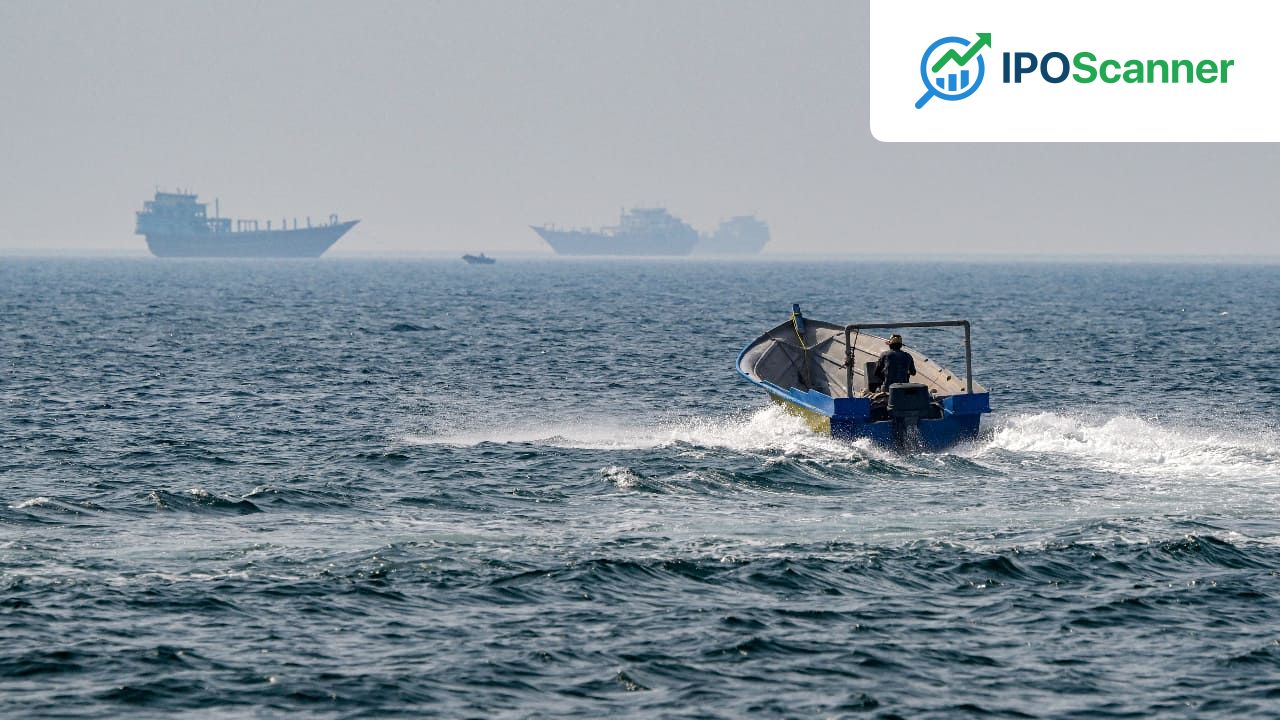
Iraq-Linked Oil Tanker Exits Hormuz Through Iranian Waters
Iran Exempts Iraq from Shipping Restrictions, Boosting Oil Exports
A Suezmax oil tanker, the Ocean Thunder, carrying approximately 1 million barrels of Iraqi crude, has successfully navigated the Strait of Hormuz via a northerly route through Iranian waters on Sunday morning. This development comes after Iran exempted its "brotherly" neighbor from shipping restrictions a day earlier.
The exemption has led to an increase in transits through the critical waterway, with the highest seven-day rolling average since the war began reported on Saturday. However, traffic remains at a trickle compared to prewar numbers. For context, in normal times, about 20% of the world's oil and liquefied natural gas passes through the Strait of Hormuz every day.
The exemption for Baghdad has the potential to free up approximately 3 million barrels a day of oil exports from the country, allowing it to restart production from shuttered fields, as long as shippers are willing to send their tankers into the Gulf. The exemption's specifics, including whether it will apply to all ships calling at Iraqi ports and how it will be enforced, remain unclear.
Recent Ship Transits
| Date | Type of Ship | Direction |
|---|---|---|
| Saturday | 5 bulk carriers, 3 oil-product tankers | Outbound |
| Sunday | 2 oil tankers, 1 liquefied petroleum gas carrier | Outbound |
| Saturday | 1 chemicals tanker, 1 LPG tanker, 2 bulk carriers, 1 container ship | Inbound |
A total of 16 ships have crossed the Strait of Hormuz since Saturday morning, with 11 exiting the Gulf and five entering from the open seas, according to vessel-tracking data. The Iranian government has set up a tolling system and directed most vessels to take a specific route close to its border. In the past day, all recorded transits of large ships went through the narrow northern passage, situated between the Iranian islands of Larak and Qeshm.
The Ocean Thunder, managed by Turkey-based Onn Denizcilik ve Danismanlik, is the most significant recent crossing. Tanker-tracking is hampered by electronic interference with ships' signals, and some vessels disable their AIS transponders in high-risk waters, further reducing the timeliness and reliability of tracking data.
Read also: Treasury Yields Experience Largest Increase in Two Weeks Following Release of Labor Market Data
More in Economy

Sony, 3one4 Capital Support WeRize in Latest Funding Round, Fintech Eyes 2028 Initial Public Offering

Treasury Yields Experience Largest Increase in Two Weeks Following Release of Labor Market Data

US-Iran Tensions Spark Uptick in Oil Prices Amid Global Market Decline

