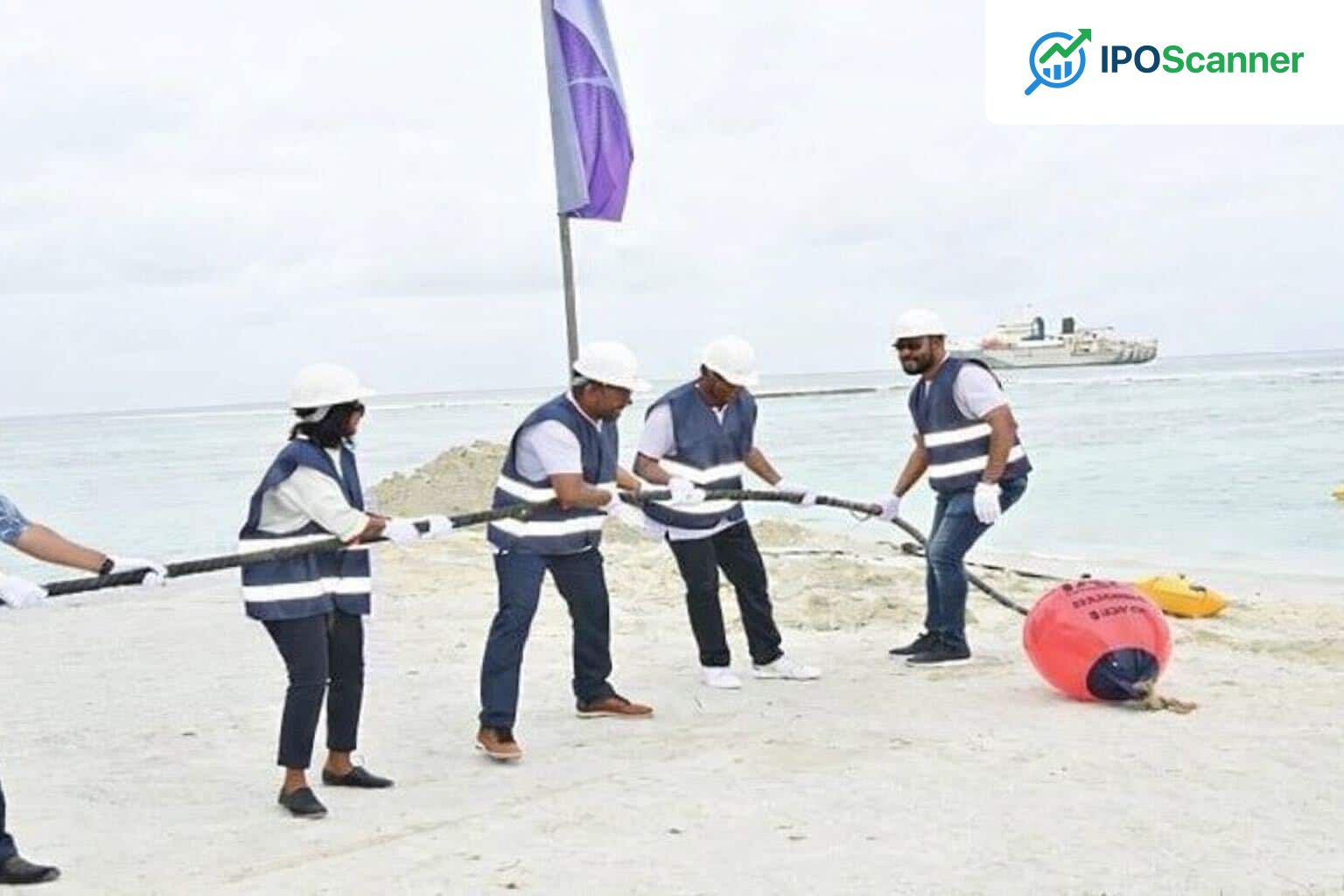
Iran Conflict Sparks Concerns Over Subsea Internet Infrastructure and Potential Disruptions
India Prepares for Potential Disruptions to Internet Infrastructure
Key Figures:
- 95%: Global international data flows through undersea cables
- 17: Number of subsea cables hosted by India across 14 landing stations
- 2/3: Proportion of India's internet traffic routed through Mumbai
- 2,000 km: Distance between Bab-el-Mandeb and the Gulf of Aden
- 2026: Planned launch date for 2Africa ecosystem, now indefinitely delayed
Company Names:
Read also: Treasury Yields Experience Largest Increase in Two Weeks Following Release of Labor Market Data
- Department of Telecommunications (DoT)
- Meta
- Alcatel Submarine Networks
- Airtel
- Flag Telecom
- Tata Communications
- Reliance Jio
Key Risks and Developments:
India's internet infrastructure is exposed to potential disruptions due to the escalating Iran conflict, which threatens critical subsea cable routes across the Persian Gulf and Red Sea. The Department of Telecommunications (DoT) has asked telecom and subsea cable operators to draw up contingency plans, assess potential risks, and timelines that could impact upcoming cable rollouts.
Impact on India's Connectivity:
Read also: US-Iran Tensions Spark Uptick in Oil Prices Amid Global Market Decline
The conflict could delay new deployments, disrupt maintenance, and put India-Europe connectivity at risk. Industry executives have sought government support to engage with Iran to safeguard subsea cable infrastructure. Disruptions can delay financial transactions, impact e-commerce, cause social media outages, and affect IT services and global capability centres (GCCs).
Domestic Vulnerabilities:
India's reliance on limited routes and landing points creates single points of failure. The clustering of landing stations in Mumbai's Versova and Chennai's Siruseri creates domestic vulnerabilities. Industry players argue for greater geographic diversification.
Key Cable Projects:
- 2Africa ecosystem: Meta-led project connecting India with the West Asia and onward to Europe, indefinitely delayed due to conflict.
- SEA-ME-WE 6 (SMW6): Critical next-generation link between Asia and Europe, facing indefinite delays.
- Airtel's SEA-ME-WE 4 (SMW4) and I-ME-WE (IMEWE): Existing systems hit by cuts near Jeddah.
- Tata Communications' TGN-Gulf: Exposed to greater risk.
- Reliance Jio's India-Europe-Express and India-Asia-Express: Upcoming cables facing uncertainty.
- Google's Dhivaru: Upcoming cable facing uncertainty.
- Fibre in Gulf (FIG): System backed by regional operators, at risk due to conflict in the Persian Gulf.
Maintenance Freeze:
The conflict has disrupted subsea cable maintenance, making it impossible to fix issues in the Red Sea and the Strait of Hormuz. This raises the risk of outages and further disruptions to India's internet infrastructure.
Investor Takeaway
Investors should be prepared for potential disruptions to global internet infrastructure due to the escalating Iran conflict.
More in Economy

Treasury Yields Experience Largest Increase in Two Weeks Following Release of Labor Market Data

US-Iran Tensions Spark Uptick in Oil Prices Amid Global Market Decline

MoSPI Releases Uniform Norms for DDP Estimates with 2022-23 Base Year

