Iran Conflict Revealed to be Rooted in Oil Interests as Energy Transition Offers Path to Sustainable Peace
Global Economic Instability: The Hidden Cost of Fossil Fuels
Amid reports that Iran and the United States may soon reach a ceasefire agreement over the ongoing conflict, fresh tensions have emerged on Tuesday following reports of U.S. strikes on missile launch sites and boats in southern Iran. A prolonged war is bad news for a large and fast-growing economy like India, which imports nearly a quarter of its energy needs.
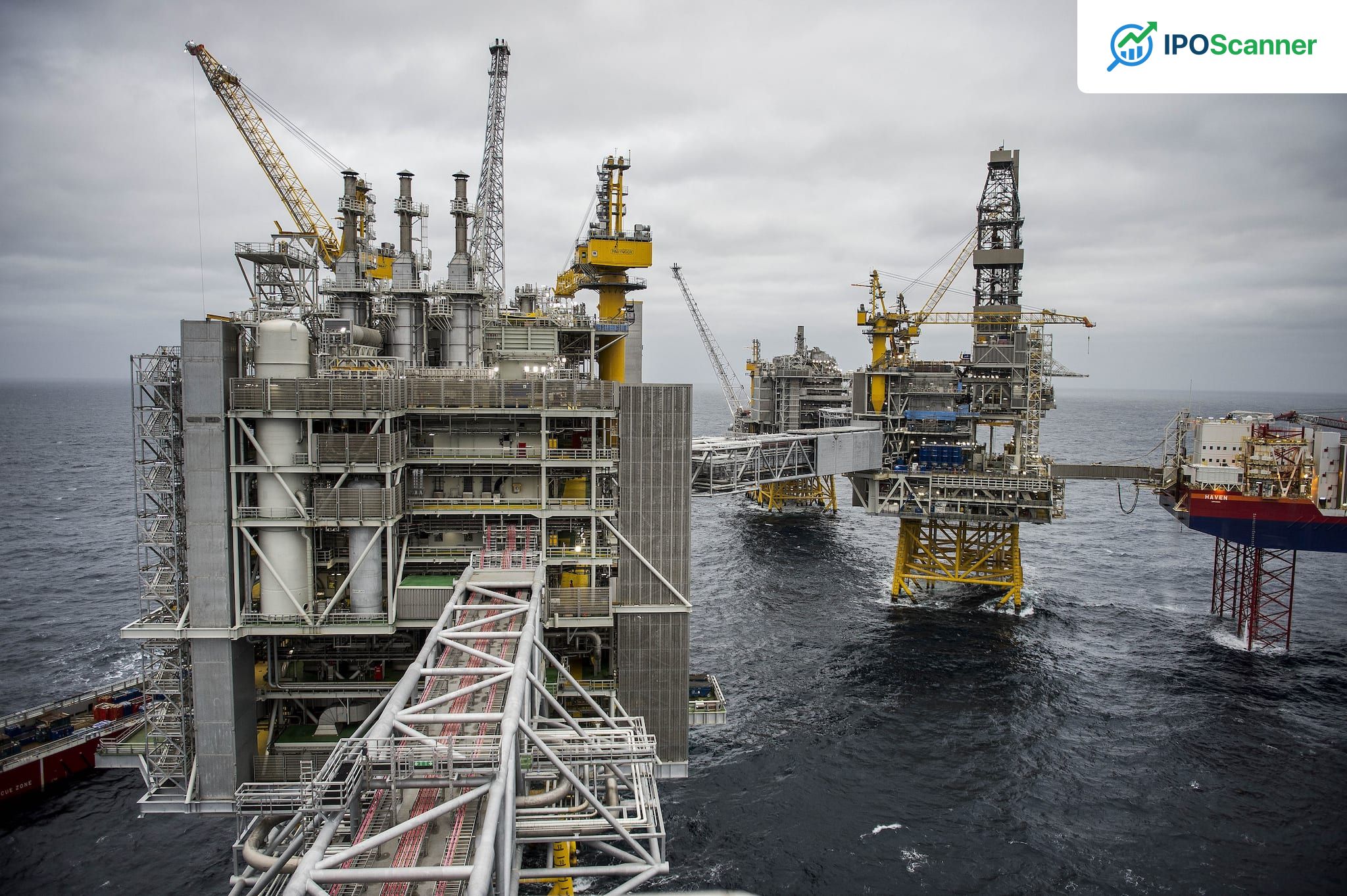
The actual reason behind the ongoing conflict may lie elsewhere - the oil. Fossil fuels have historically been a catalyst for many major conflicts, with competition to control them fueling war. This phenomenon has been observed throughout history, from the occupation of the industrial and mineral-rich Ruhr region by French and Belgian troops after Germany halted coal deliveries required under World War I reparations agreements, to the invasion of Kuwait by Iraq in 1990.
Table: Major Conflicts Shaped by Fossil Fuel Interests
Read also: Treasury Yields Experience Largest Increase in Two Weeks Following Release of Labor Market Data
| Conflict | Location | Fossil Fuel Reserves | Year |
|---|---|---|---|
| World War I | Europe | Coal | 1914-1918 |
| Iraq's invasion of Kuwait | West Asia | Oil | 1990 |
| Russia's conflict with Ukraine | Europe | Coal, Oil, Natural Gas | 2014-present |
| US assertions of influence over Venezuela's oil sector | South America | Oil | 2020-present |
Fossil fuels have also contributed to global economic instability. Energy shocks, such as the oil crises of the 1970s, triggered global inflation and forced central banks into aggressive monetary tightening. While such measures eventually controlled inflation, they came at the cost of recessions, unemployment, and long-term economic damage, particularly in developing economies.
The ongoing conflict between the US and Iran has led to a significant increase in oil prices, with Brent crude reaching a high of $126 on 29 April 2026. This has had a devastating impact on India's economy, with a Current Account Deficit (CAD) widening by about 0.3% to 0.5% of GDP for every $10 rise in global Brent crude prices. With Brent crude potentially averaging $91 per barrel in the fourth quarter of 2026, the world may be staring at a recession.
However, there is a solution to this crisis. A gradual transition to green energy may be of help, and it has implications for global peace. By reducing dependence on concentrated fossil fuel reserves, nations could lower the risk of conflict, stabilize economies, and redirect resources toward social development and environmental protection.
Read also: US-Iran Tensions Spark Uptick in Oil Prices Amid Global Market Decline
A New Era of Global Cooperation
A decisive global shift toward renewable energy could fundamentally alter the structure of international relations. China has pledged to reach net zero by 2060, and India has committed to reach net zero by 2070. The US shale revolution offered only temporary relief, but pivoting to renewables offers truer energy independence. Africa's solar boom allows the continent to leapfrog carbon-intensive fuels, and Israel's offshore gas fields buy time, but accelerating green energy ensures lasting security.
Imagine a world where nations compete in clean-tech innovation, not in territorial conquest. India, scaling solar faster than most major economies, leads by example. By fostering energy independence, green transitions can blunt aggressive diplomacy. Leaders must prioritize this shift. The dividends - peace, stability, prosperity - await those bold enough to seize them.
Investor Takeaway
A prolonged war in the Middle East could negatively impact global energy markets and economies.
More in Economy

Treasury Yields Experience Largest Increase in Two Weeks Following Release of Labor Market Data

US-Iran Tensions Spark Uptick in Oil Prices Amid Global Market Decline

MoSPI Releases Uniform Norms for DDP Estimates with 2022-23 Base Year

