Iran Conflict Resolution: Impact on Global Oil Markets.
Global Energy System Faces Hidden Disruptions After Conflict
The moment the guns fall silent, the global energy system is likely to face a second phase of disruption, slower and less visible, but just as consequential. Assessments by the International Energy Agency (IEA), US Energy Information Administration (EIA), and bank research from firms like Morgan Stanley and Goldman Sachs reveal that the global energy system doesn't reset with sentiment.
Oil prices move first, driven by market expectations rather than reality. History has shown that during the 1991 Gulf War, oil prices dropped sharply within days once the military outcome became clearer, even though physical supply hadn't fully recovered, according to EIA data.
The Strait of Hormuz: A Critical Chokepoint
Read also: Treasury Yields Experience Largest Increase in Two Weeks Following Release of Labor Market Data
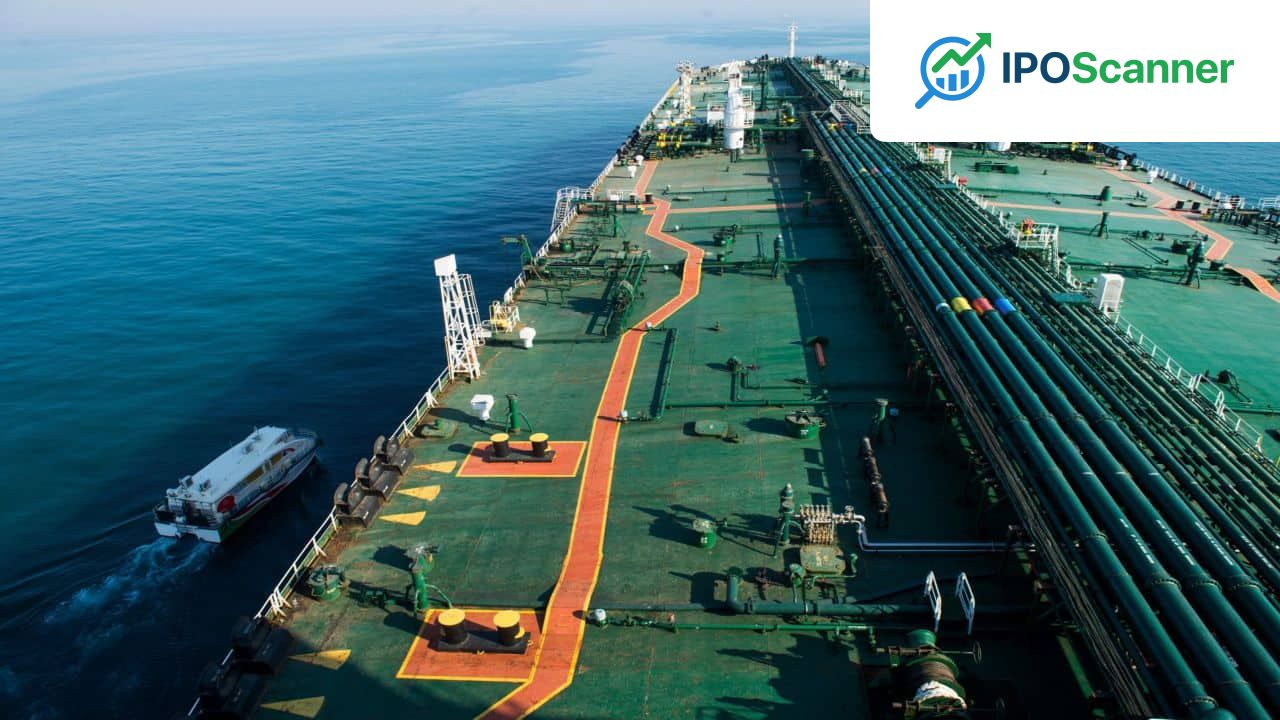
Roughly a fifth of global oil flows through the Strait of Hormuz. During conflict, flows don't just slow, they collapse. The IEA has described the current disruption as unusually severe. Reopening the Strait is not just about permission, but also about confidence.
| Entity | Description |
|---|---|
| Strait of Hormuz | Critical chokepoint for global oil flows |
| IEA | International Energy Agency, assessing disruption severity |
| EIA | US Energy Information Administration, analyzing oil supply recovery |
Shipping Markets and Vessel Backlogs
Shipping markets respond slowly to disruptions, with friction and vessel backlogs tightening global tanker availability. The US EIA and multiple Reuters reports show that vessel backlogs and rerouting can take several weeks to months to normalize.
Read also: US-Iran Tensions Spark Uptick in Oil Prices Amid Global Market Decline
| Timeline | Description |
|---|---|
| Early easing | Within weeks, but full normalization often takes 6-12 weeks or longer |
Fuel Prices and Refining Challenges
Crude oil is just the input, while the real economy runs on diesel, jet fuel, and LPG. Refining doesn't bounce back instantly, and recent disruptions have already forced:
- Replacement crude cargoes can take 1-2 months to arrive
The IEA has explicitly warned that diesel and jet fuel are the most vulnerable segments in this cycle.
Inventory Rebuild and Infrastructure Damage
Governments step in, releasing reserves and coordinating emergency releases. However, once the war ends, the cycle flips, and those barrels have to be replaced. This creates fresh demand just as supply chains are still stabilizing. Infrastructure damage sets the outer limit for recovery, and the IEA has indicated multiple critical assets have been hit.
The bottom line is that a war ends when the fighting stops, but an energy crisis ends when ships sail normally, refineries run steadily, and inventories rebuild quietly. Those are slower processes, and they rarely move in sync. The real recovery story will unfold over months, and in parts of the system, well into next year.
Investor Takeaway
Oil prices may drop initially but could face a second phase of disruption.
More in Economy

Treasury Yields Experience Largest Increase in Two Weeks Following Release of Labor Market Data

US-Iran Tensions Spark Uptick in Oil Prices Amid Global Market Decline

MoSPI Releases Uniform Norms for DDP Estimates with 2022-23 Base Year

