Iran Conflict Imperils Project Timelines for Indian Engineering Firms in the Persian Gulf Region
US-Iran Conflict Exacerbates Market Sentiment
Market Sentiment
The escalating US-Iran conflict has led to heightened market volatility, causing investors to become increasingly anxious about rising crude oil prices. This instability has significant implications for the global economy, particularly for the Gulf Cooperation Council (GCC) economies.
GCC Economy Vulnerabilities
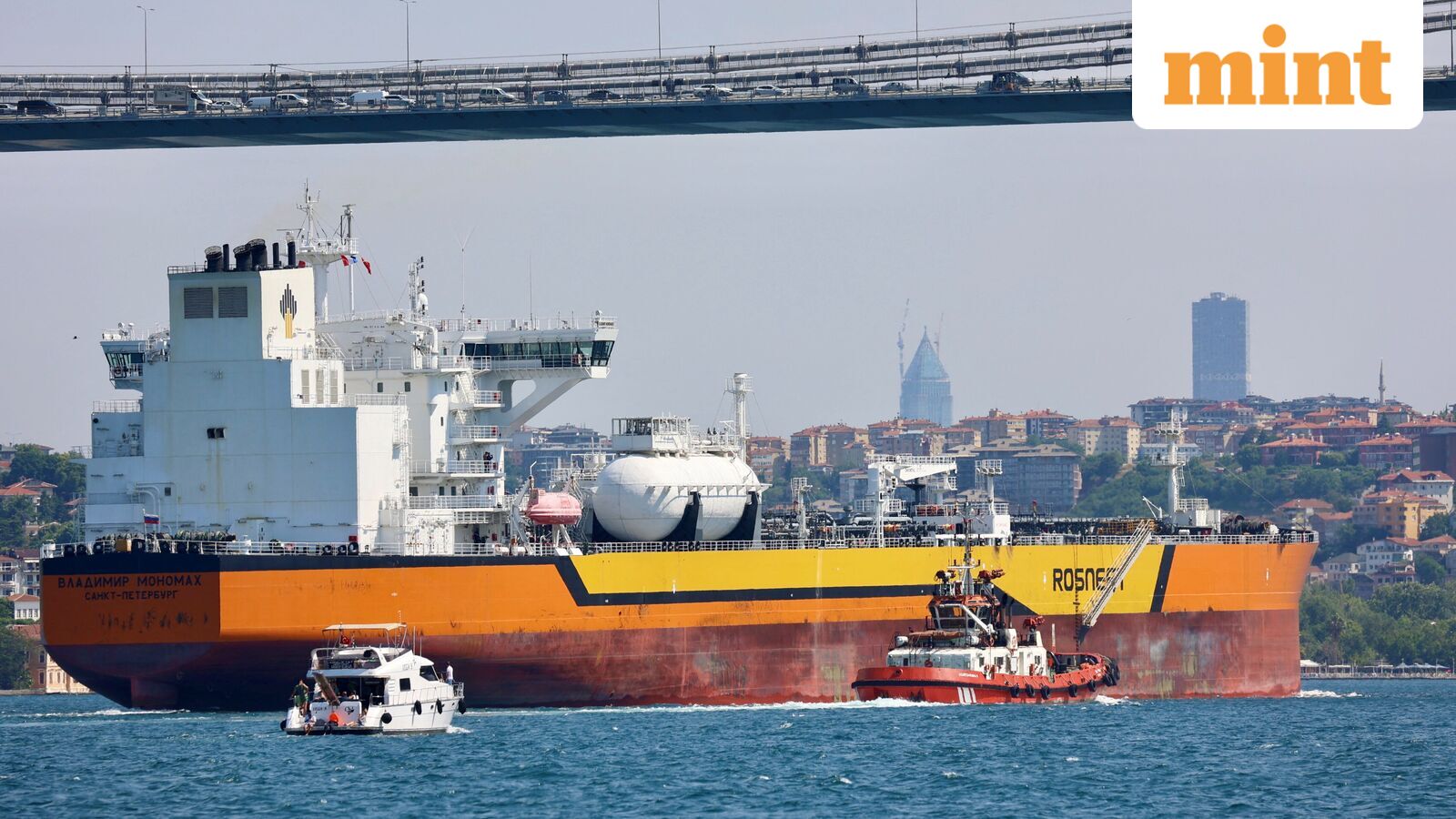
The conflict poses a substantial threat to GCC economies, primarily due to the risk of supply disruptions through the Strait of Hormuz, a critical chokepoint for global energy. The Strait of Hormuz is a vital waterway that connects the Persian Gulf to the Gulf of Oman, accounting for approximately 20% of global oil exports. Any disruptions to this critical trade route could have severe economic consequences for the region and the global economy.
Economic Fallout
A prolonged confrontation between the US and Iran could lead to a range of economic consequences, including increased oil prices, reduced economic growth, and heightened inflation. The GCC economies, which are heavily reliant on oil exports, are particularly vulnerable to these economic shocks. As a result, investors and policymakers are closely monitoring the situation, seeking to mitigate the potential economic fallout.
Investor Takeaway
Investors should be cautious of potential supply disruptions and economic fallout from the US-Iran conflict.
More in Economy

FirstClub Secures $55 Million in Funding from Peak XV, Sofina, and Other Investors 9 Months After $22 Million Series A Round
RBI Policy Preview: A Cautionary Wait Ahead

RBI Rate Cuts May Come to an End Amid Rising Oil Prices and Weakening Rupee: Expert Analysis