Interest Rate Cycles Shape Property Buying Decisions and Long-Term Real Estate Planning Strategies
Interest Rates: The Unseen Force Shaping the Housing Industry
Interest rates play a significant role in shaping the housing industry, often unnoticed by buyers and sellers alike. While price, location, and developer name are crucial factors in property purchases, interest rates can impact the costliness of purchase, loan limits, and whether one should rush or wait before buying a property.
The Cycle of Interest Rates
Interest rates fluctuate in cycles, with central banks hiking rates to prevent inflation and excess borrowing, while lowering them to stimulate demand and spending. These cycles may seem irrelevant to everyday life, but they have a profound impact on the housing industry.
Read also: Treasury Yields Experience Largest Increase in Two Weeks Following Release of Labor Market Data
Lower Interest Rates Drive Property Buying
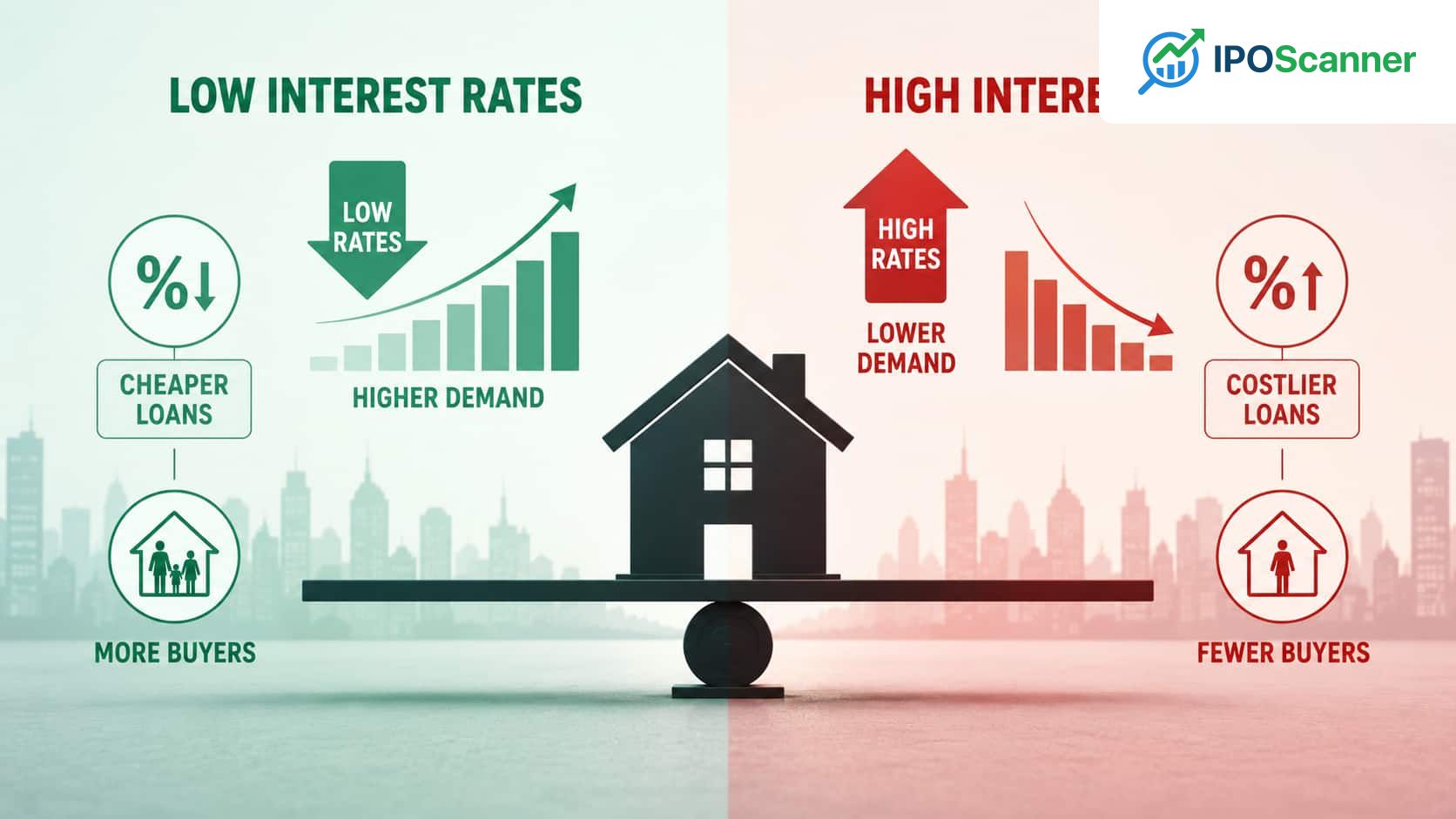
During times of lower interest rates, loans become cheaper as borrowers have lower Equated Monthly Installments (EMIs) for the same borrowing amounts. Lower EMIs enable borrowers to qualify for a greater mortgage value. As a result, buyer activity increases, and those previously hesitant to enter the market find that purchasing becomes easier due to better financing options. For real estate developers, a low-interest rate environment means higher sales since affordability improves.
| Interest Rate Period | Effect on Buyer Activity |
|---|---|
| Lower interest rates | Increase in buyer activity, higher sales for developers |
| High interest rates | Decrease in buyer activity, reduced demand for property purchases |
First-time home buyers, in particular, see a low-interest period as an opportunity to grab good deals on mortgages while they're still cheap before the rates rise.
Read also: US-Iran Tensions Spark Uptick in Oil Prices Amid Global Market Decline
High Rates Decrease Property Demand
High interest rates have the opposite effect of lower interest rates. Loans become harder and more expensive, and the monthly repayments for a similar amount increase substantially. Even a small increase in the interest rates can mean huge extra amounts during long tenures of mortgage repayment. Due to decreased affordability, people will put off purchase plans until rates stabilize or decline. First-time purchasers will find it harder to obtain mortgages, reducing demand for property purchases.
For investors relying heavily on leverage to finance purchases, high interest rates mean they need to borrow smaller amounts to make money out of a deal, hence becoming wary of entering the market during these periods.
Long-term Financial Planning
Apart from affecting mortgage amounts and repayment, interest rates play an important role in the long-term financial planning of buyers. Property acquisition isn't a temporary affair; instead, loans come with tenures of around 15 to 30 years. This is why one needs to consider future possibilities of changes in the economy.
In the case of floating interest rates, EMIs can go up and down during the tenure of a loan. This means that while one can afford a purchase now due to low interest rates, higher rates in the future can mean struggling to repay. That is why a stable financial situation plays a significant part in deciding on a property purchase.
Timing is Important
It is common practice for home buyers to purchase homes during low-interest periods and put off buying at times when interest rates are high. The assumption made here is that home prices could fall at such times. However, perfecting the art of timing your entry into the property market can prove elusive. While timing does matter in the market, one shouldn't ignore the fact that one's current financial standing plays a big role in deciding on a purchase.
More in Economy

Treasury Yields Experience Largest Increase in Two Weeks Following Release of Labor Market Data

US-Iran Tensions Spark Uptick in Oil Prices Amid Global Market Decline

MoSPI Releases Uniform Norms for DDP Estimates with 2022-23 Base Year

