Intel Collaborates with Elon Musk on Development of Advanced Space and Robotics Chips
Intel Partners with SpaceX and Tesla on Terafab Project
Intel announced on Tuesday that it is partnering with SpaceX and Tesla to build semiconductors through the Terafab project. The collaboration aims to refactor silicon fab technology, a process used in semiconductor manufacturing to eliminate physical inefficiencies and streamline production. According to Intel, the company will help accelerate the Terafab project's goal of producing 1 TW/year of compute to power future advances in AI and robotics.
The partnership was confirmed through a post on X (formerly Twitter), where Intel stated that its ability to design, fabricate, and package ultra-high-performance chips at scale will contribute to the project's success. Intel's CEO, Lip-Bu Tan, also shared a separate post on X, highlighting the importance of the Terafab project in reimagining semiconductor manufacturing. Tan praised Elon Musk's proven track record of innovation and emphasized the strategic significance of the partnership.
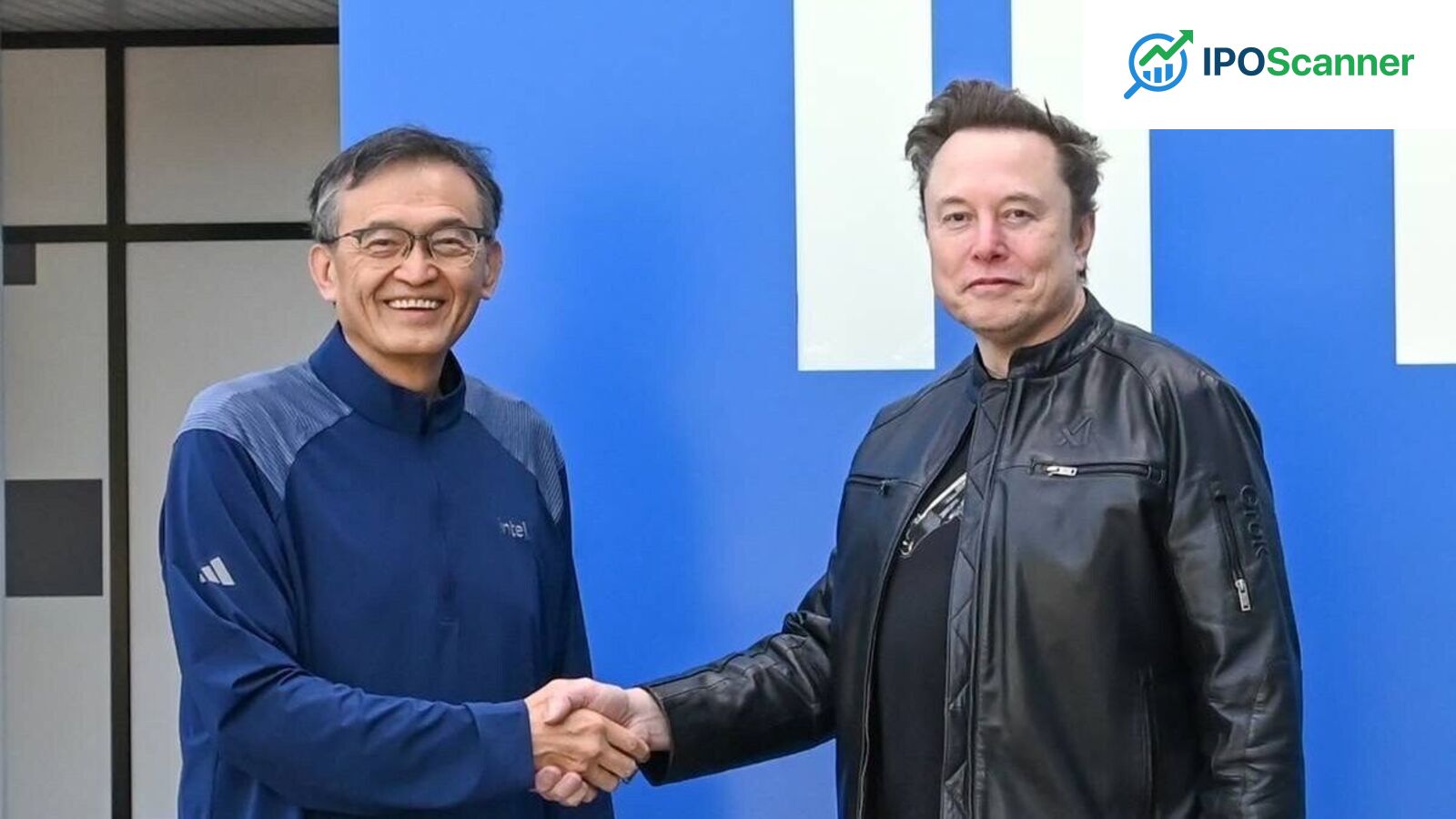
Intel recently hosted Musk at its campus, where they discussed the Terafab project in more detail. The company also shared an image of Musk shaking hands with Tan, marking the beginning of a significant collaboration in the tech industry.
Read also: Google Pixel Watch Leak: Diver's Discovery Sparks Speculation
What is Terafab?
The Terafab project was launched by Musk last month, with the billionaire describing it as the "most epic chip-building exercise in history." The project is a joint venture between Tesla and SpaceX, both companies led by Musk. According to Musk, Terafab is the only facility in the world to have the entire chip-making lifecycle under one roof, including memory, packaging, testing, and manufacturing of lithography masks.
Musk has emphasized the importance of the Terafab project in addressing a looming shortage in AI compute. He believes that the project will provide the necessary chips for powering cars, humanoid robots, and space applications. The advanced manufacturing facility in Austin, Texas, will produce two distinct chips: one optimized for edge inference and the other designed for space and capable of handling hostile environments.
Comparison of Terafab's Goals and Capabilities
Read also: Chinese Startup Claims AI Coding Capabilities Exceed Those of GPT-5.5: A Detailed Examination
| Aspect | Terafab Project | Industry Average |
|---|---|---|
| Compute Production | 1 TW/year | 100 MW/year |
| Chip Production | 2 distinct chips | 1-2 general-purpose chips |
| Manufacturing Facility | Entire lifecycle under one roof | Separate facilities for each stage |
Note: TW = Terawatt, MW = Megawatt. The industry average figures are approximate and based on current trends in semiconductor manufacturing.
Investor Takeaway
Investors should consider the potential long-term benefits of Intel's collaboration with Elon Musk's companies on advanced space and robotics chips.
More in General

Google Pixel Watch Leak: Diver's Discovery Sparks Speculation

Chinese Startup Claims AI Coding Capabilities Exceed Those of GPT-5.5: A Detailed Examination

Google Unveils Gemini Omni: AI-Powered Video Creation from Text Input