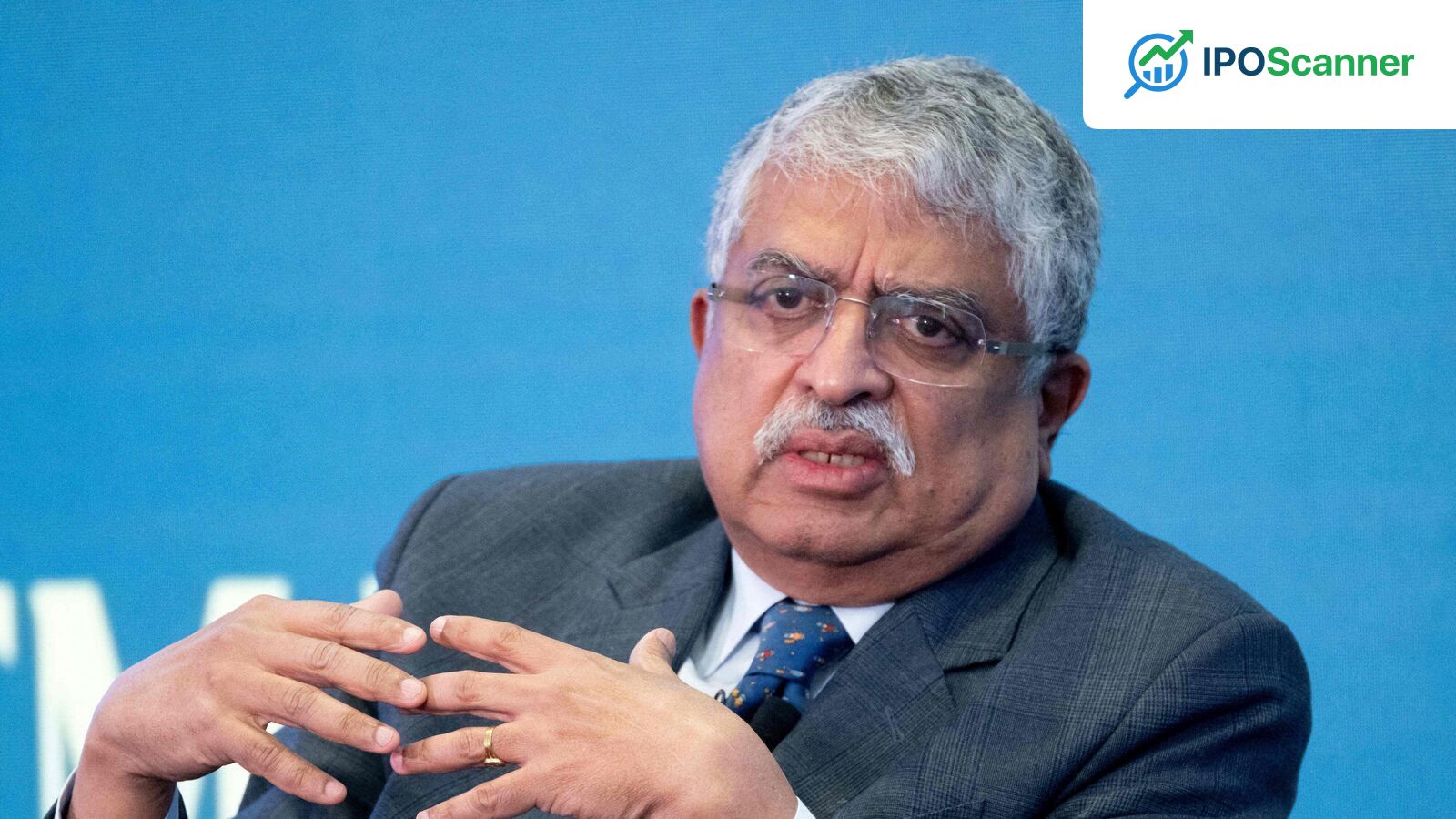
Infosys Chairman Nandan Nilekani on the Future of Work in an Era of Automation
Infosys Chairman Nandan Nilekani Dismisses Fears of Automation Obsolescence
Infosys Ltd chairman Nandan Nilekani has dismissed fears that automation could render traditional tech services obsolete, arguing that the shift to AI tools has increased the company's relevance as it seeks to modernize its clients' technology to keep up with AI demands.
Speaking at a shareholder address on May 22, Nilekani stated that the company is more relevant than ever, with a bright future ahead. He attributed this to the shift from predictable machines to probabilistic ones, which is reshaping the nature of work. This comes as AI-native firms such as Anthropic and OpenAI continue to roll out new technologies almost on a bi-weekly basis, entering into partnerships with private equity firms to venture into the tech services space.
Investors have been questioning the relevance of the country's $315 billion IT sector, with IT shares continuing to decline since the start of the year. Infosys's shares are down more than 28% since the start of the year. Nilekani's optimism came in response to growing concerns surrounding the relevance of IT services companies.
Read also: Treasury Yields Experience Largest Increase in Two Weeks Following Release of Labor Market Data
| Company | Revenue Growth |
|---|---|
| Infosys | 4.6% |
| TCS | N/A |
Infosys ended last year with $20.16 billion in revenue, with a third of its incremental revenue coming from manufacturing companies, which accounted for a fifth of its business. Nilekani saw opportunities in the software development life cycle, stating that solutions need to be tested and validated, and IT systems must be designed for speed, scale, and resilience.
The company's workforce will have to prepare new mental models and learn anew to adapt to the changing landscape. Nilekani stated that Infosys is well-prepared for this challenge, with plans to redistribute those released by productivity to grow new accounts and offerings.
Infosys ended last year with 328,594 employees, up by 5,016 from the year ago. Nilekani's views echoed those of Tata Consultancy Services Ltd chairman, N Chandrasekaran.
Read also: US-Iran Tensions Spark Uptick in Oil Prices Amid Global Market Decline
| Company | Revenue (Q3 FY26) | AI Revenue (Q3 FY26) |
|---|---|---|
| Infosys | $5.1 billion | $280 million |
| TCS | N/A | N/A |
Nilekani stated that blending new AI models and old tech systems would create opportunities, while the country's second-largest IT services company bundled all its AI offerings under an umbrella, called Infosys Topaz AI Next. The company absorbed its software products arm, EdgeVerve, into this AI Next platform.
Infosys expects 1.5-3.5% revenue growth in constant currency terms in FY27, higher than the 0-3% it estimated in April 2025. Last fiscal, the company grew at its fastest pace in three years. Chief executive Salil Parekh's salary jumped 2.4% from the previous year to ₹82.6 crore ($8.7 million). In contrast, TCS chief executive Krithivasan's salary jumped 6% to ₹28.11 crore.
Investor Takeaway
Investors should view Infosys' relevance in the era of automation as a positive sign for the company's future.
More in Market

Treasury Yields Experience Largest Increase in Two Weeks Following Release of Labor Market Data

US-Iran Tensions Spark Uptick in Oil Prices Amid Global Market Decline

Indian Stocks to Watch: BHEL, Agarwal Industrial, JBM Auto, Rajesh Exports, Indian Energy Exchange, Lenskart Solutions in Market Focus on June 4.