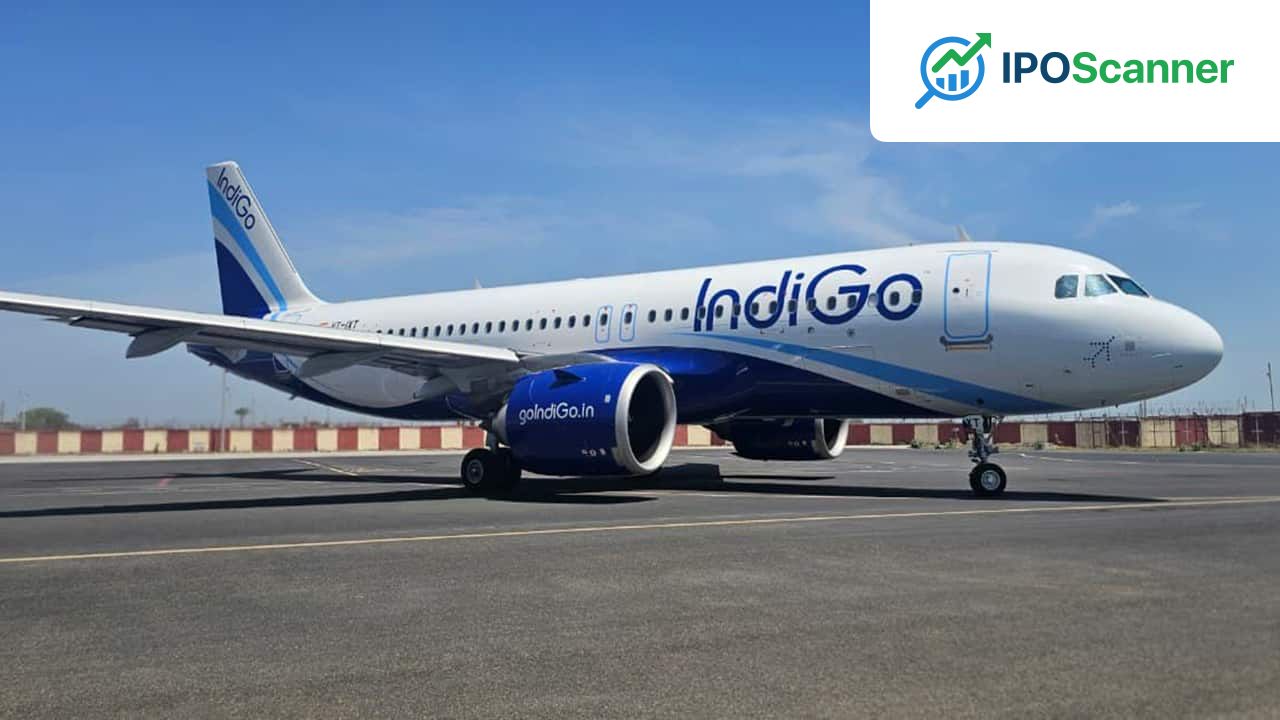
IndiGo Reports FY26 Loss Despite Underlying Profit of Rs 7,500 Crore
India's Largest Airline IndiGo Posts Net Loss in FY26 Amid Currency Volatility
India's largest airline, IndiGo, has slipped into a net loss in FY26 due to a sharp depreciation in the rupee and a provision linked to new labour laws. The airline's parent company, InterGlobe Aviation, reported a net loss of Rs 2,394 crore for FY26 compared with a profit of Rs 7,258 crore a year earlier.
Despite the airline continuing to expand capacity, grow revenues, and remain profitable at an operating level, the results highlight the growing impact of currency volatility on Indian airlines. The bulk of IndiGo's revenues are earned in rupees, while its costs remain heavily linked to the US dollar through aircraft leases, maintenance contracts, and financing obligations.
The airline's net loss was primarily driven by a sharp rupee depreciation during the year, coupled with a challenging operating environment. Excluding the impact of foreign exchange movements and exceptional items, IndiGo reported a profit of Rs 7,502 crore for FY26. Even after accounting for forex losses but excluding exceptional items, profit stood at Rs 5,706 crore.
Read also: Treasury Yields Experience Largest Increase in Two Weeks Following Release of Labor Market Data
IndiGo's revenue from operations rose 5.1 percent to Rs 84,962 crore during FY26, while total income increased 6.4 percent to Rs 89,513 crore. The airline expanded capacity by 9.5 percent to 172.4 billion available seat kilometres (ASKs), reflecting its continued expansion across domestic and international markets.
| Quarter | Revenue from Operations (Rs crore) | Total Income (Rs crore) | Capacity (ASKs) |
|---|---|---|---|
| Q1 FY26 | 21,311 | 22,513 | 64.3 billion |
| Q2 FY26 | 21,441 | 22,911 | 68.2 billion |
| Q3 FY26 | 21,641 | 23,311 | 72.5 billion |
| Q4 FY26 | 20,569 | 21,778 | 67.4 billion |
| FY26 | 84,962 | 89,513 | 172.4 billion |
Passenger traffic grew 4 percent to 123.4 million during the year, although load factor declined to 84.4 percent from 86 percent a year earlier as capacity growth outpaced traffic growth. Yields also came under pressure, declining 1.7 percent year-on-year. While lower fuel prices offered some relief, they were not enough to offset the impact of currency movements and higher non-fuel costs.
Fuel cost per available seat kilometre fell 11.5 percent during FY26. However, total costs rose 17.2 percent to Rs 89,678 crore, driven largely by higher non-fuel expenses. Excluding fuel and foreign exchange impact, cost per available seat kilometre rose 3.8 percent during the year.
Read also: US-Iran Tensions Spark Uptick in Oil Prices Amid Global Market Decline
The March quarter also included an exceptional charge of ₹250 crore related to an incremental provision arising from new labour laws following a reassessment during the quarter. Despite the earnings hit, IndiGo ended FY26 with one of the strongest balance sheets in the sector. As of March 31, the airline had a total cash balance of Rs 51,651 crore, including free cash of Rs 36,216 crore. Total debt, including capitalised operating lease liabilities, stood at Rs 77,749 crore.
The airline operated a fleet of 441 aircraft at the end of FY26 and served 97 domestic and 45 international destinations. IndiGo expects capacity growth of around 3-4 percent in the first quarter of FY27 compared with the corresponding period last year.
While geopolitical tensions in West Asia and currency volatility continue to cloud the near-term outlook for the aviation industry, IndiGo's results indicate that underlying demand remains robust. The airline carried a record 123 million passengers during FY26, reinforcing its dominant position in India's fast-growing aviation market even as external factors weighed heavily on reported earnings.
Investor Takeaway
Indian airlines are vulnerable to currency volatility, which can impact their profitability.
More in Economy

Treasury Yields Experience Largest Increase in Two Weeks Following Release of Labor Market Data

US-Iran Tensions Spark Uptick in Oil Prices Amid Global Market Decline

MoSPI Releases Uniform Norms for DDP Estimates with 2022-23 Base Year

