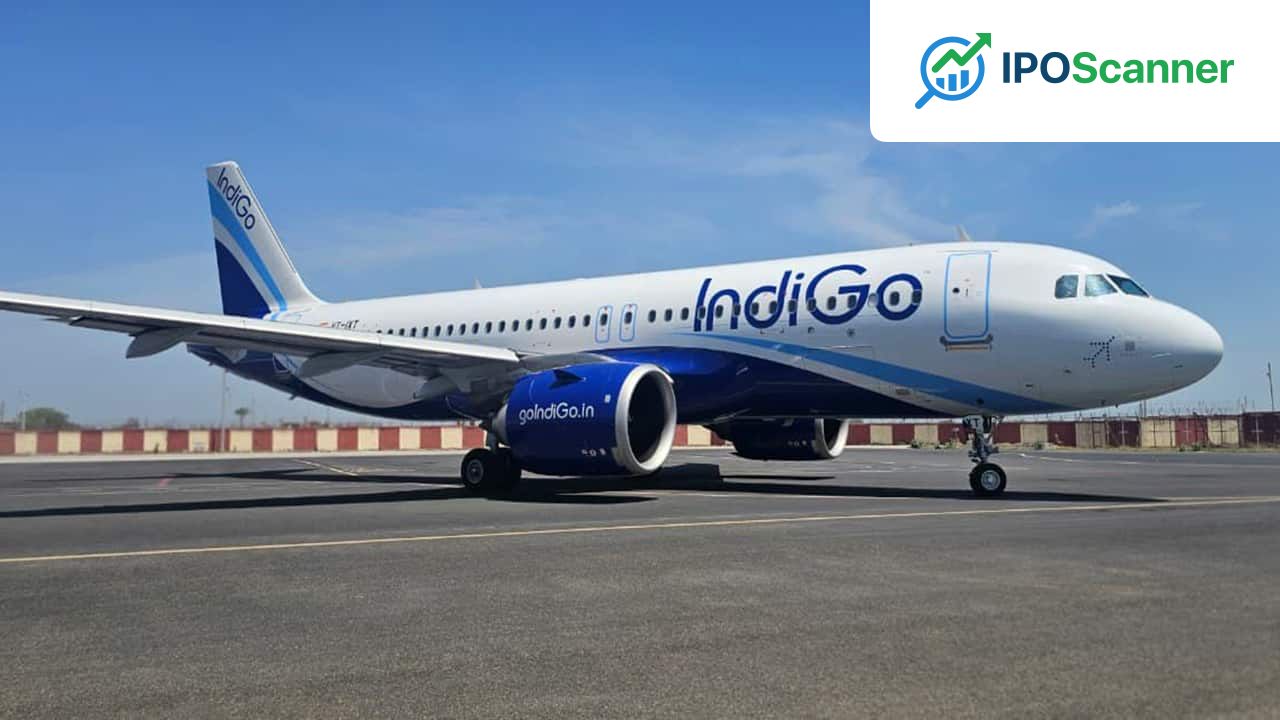
IndiGo Reports Disappointing Q4 Earnings Amid Forex Headwinds and Regional Disruptions.
IndiGo Shares Fall 13% Despite Weak Q4, Analysts Remain Optimistic on Medium-Term Growth
Shares of InterGlobe Aviation, the parent of IndiGo, have fallen 13% so far this year as investors grapple with geopolitical disruptions, elevated fuel prices, and currency volatility. However, despite a weak fourth-quarter performance that pushed the airline into the red, analysts remain largely constructive on the stock's medium-term growth prospects.
IndiGo reported a consolidated net loss of Rs 2,537 crore for the March quarter, compared with a profit of Rs 3,068 crore a year ago. The headline loss was largely driven by a sharp foreign exchange hit of around Rs 4,820 crore following a 5% depreciation in the rupee against the US dollar during the quarter.
| Quarter | Net Profit (Rs Crore) | Net Loss (Rs Crore) |
|---|---|---|
| Q4 FY23 | -2,537 | 3,068 (Q4 FY22) |
| -4,820 (FX hit) |
Read also: Treasury Yields Experience Largest Increase in Two Weeks Following Release of Labor Market Data
Despite this, brokerages believe the airline's core operating performance was more resilient than headline numbers suggested. Motilal Oswal noted that operating profit before the forex impact came in ahead of estimates, reflecting the carrier's ability to control costs even amid multiple external headwinds.
The quarter was affected by the conflict in West Asia, which forced IndiGo to cancel a significant number of flights. Management said the airline had nearly 160 daily frequencies connecting the Middle East and Europe before the disruption, many of which had to be suspended or rerouted. The airline's Chief Financial Officer, Gaurav Negi, highlighted that foreign exchange losses were largely mark-to-market in nature and linked to long-term aircraft lease and maintenance obligations.
Negi also pointed to a sharp increase in global jet fuel prices, which rose more than 50% during the quarter. While IndiGo introduced fuel surcharges and recovered a large part of the increase on domestic routes, it was unable to fully pass on higher costs to passengers.
Looking ahead, management remains cautious in the near term, guiding for capacity growth of around 3-4% in the June quarter as international operations gradually normalize. However, the focus will be on improving efficiency by phasing out expensive damp-leased aircraft and reducing the use of older fuel-intensive planes. The airline has also expanded its foreign exchange hedging programme, increasing its hedge target from $1 billion to $3 billion to mitigate future currency volatility.
Read also: US-Iran Tensions Spark Uptick in Oil Prices Amid Global Market Decline
Motilal Oswal analysts have reiterating a "buy" rating, adding that they remain confident in IndiGo's growth strategy, anchored by India's strong domestic demand base and steadily expanding international network. The brokerage expects a gradual recovery in international operations, easing Pratt & Whitney-related aircraft groundings and continued fleet expansion to support earnings over the next 2 years. It forecasts revenue and EBITDAR to grow at a compound annual rate of 13% and 46%, respectively, between FY26 and FY28.
Street sentiment also remains largely supportive, with 20 buy ratings, four holds, and two sells against 19 buys, two holds, and two sells a year ago, according to Bloomberg consensus data.
Investor Takeaway
Investors should remain cautious on IndiGo's short-term performance due to forex headwinds and regional disruptions, but medium-term growth prospects remain constructive.
More in Market

Treasury Yields Experience Largest Increase in Two Weeks Following Release of Labor Market Data

US-Iran Tensions Spark Uptick in Oil Prices Amid Global Market Decline

Indian Stocks to Watch: BHEL, Agarwal Industrial, JBM Auto, Rajesh Exports, Indian Energy Exchange, Lenskart Solutions in Market Focus on June 4.