EconomyMar 10, 2026
India's Trade Exposure to Strait of Hormuz Exceeds Many Asian Counterparts
India's Trade Exposure to Strait of Hormuz Risks
Key Findings:
- India's total trade exposure to countries around the Strait of Hormuz stands at approximately 16%, with over a third of its imports dependent on the UAE, Saudi Arabia, Qatar, Kuwait, Bahrain, and Iran.
- This dependence is higher than that of several other Asian economies, including South Korea (11%) and Japan (10%).
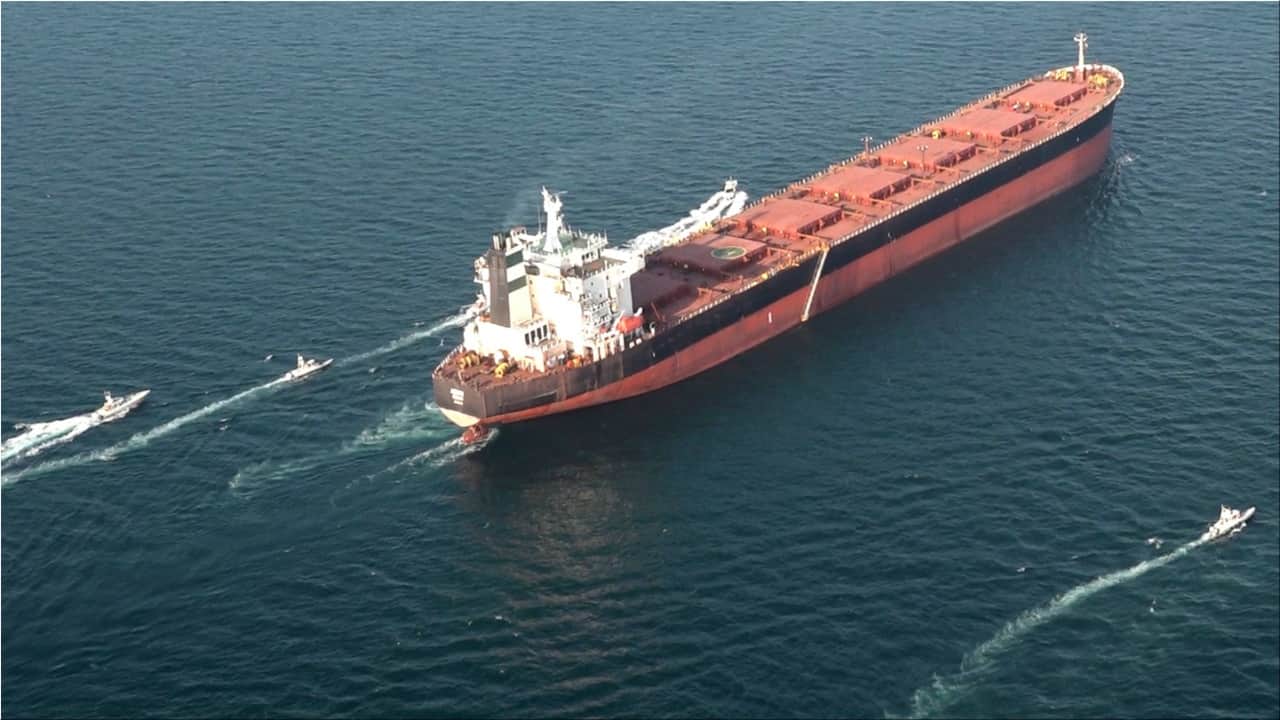
- The Strait of Hormuz is a critical maritime chokepoint linking major Gulf energy producers with global markets.
Energy Trade Vulnerability:
Read also: Treasury Yields Experience Largest Increase in Two Weeks Following Release of Labor Market Data
- Japan sources 90% of its oil imports from Hormuz-linked countries, making it one of the most exposed economies to supply disruptions.
- India's dependence on energy imports from the region is lower but still significant, with around 46% of its crude oil imports originating from the region.
- China sources 38% of its oil imports from Hormuz nations, compared to 20% for Indonesia and 12% for European Union nations.
Liquefied Natural Gas (LNG) Imports:
- India's exposure to LNG imports from Hormuz nations is even greater, with over 50% of its imports coming from the region.
- China's LNG imports from the region stand at 25%, while South Korea's imports are at 23%, and globally, the figure is around 19%.
Industrial and Agricultural Trade:
Read also: US-Iran Tensions Spark Uptick in Oil Prices Amid Global Market Decline
- The Gulf's importance extends beyond hydrocarbons, feeding industrial supply chains across Asia and Europe.
- Nearly two-thirds of the chemicals used in detergents and cosmetics in China are sourced from Hormuz countries.
- The corridor is also important for agricultural and food trade, with nearly all of China's saffron imports and over 61% of the European Union's saffron imports coming from the region.
Pakistan's Higher Exposure:
- Pakistan's total imports heavily dependent on countries linked to the Strait of Hormuz stand at nearly 33%.
- Almost all of Pakistan's oil imports and over 95% of its gas imports originate from these economies.
Precautionary Measures:
- Concerns about potential supply disruptions have prompted precautionary measures, including Pakistan's announcement of austerity steps to conserve fuel.
Investor Takeaway
Investors should be cautious of potential disruptions in the Strait of Hormuz that could impact India's trade.
More in Economy

Market·1h ago
Treasury Yields Experience Largest Increase in Two Weeks Following Release of Labor Market Data

Economy·2h ago
US-Iran Tensions Spark Uptick in Oil Prices Amid Global Market Decline

Economy·4h ago
MoSPI Releases Uniform Norms for DDP Estimates with 2022-23 Base Year

Economy·4h ago
