India's Subsea Cable Repairs Hinge on Global Firms Amid West Asia Tensions
India's Telecom Industry Pushes for Domestic Subsea Cable Repair Capabilities
The Department of Telecommunications (DoT) is under pressure to explore building domestic subsea cable repair capabilities, as India's growing dependence on a few global firms exposes a critical strategic vulnerability with geopolitical implications amid the ongoing West Asia war. Sources close to the matter told Moneycontrol that the industry is pushing to revive the issue with greater urgency due to rising geopolitical tensions, particularly in West Asia.
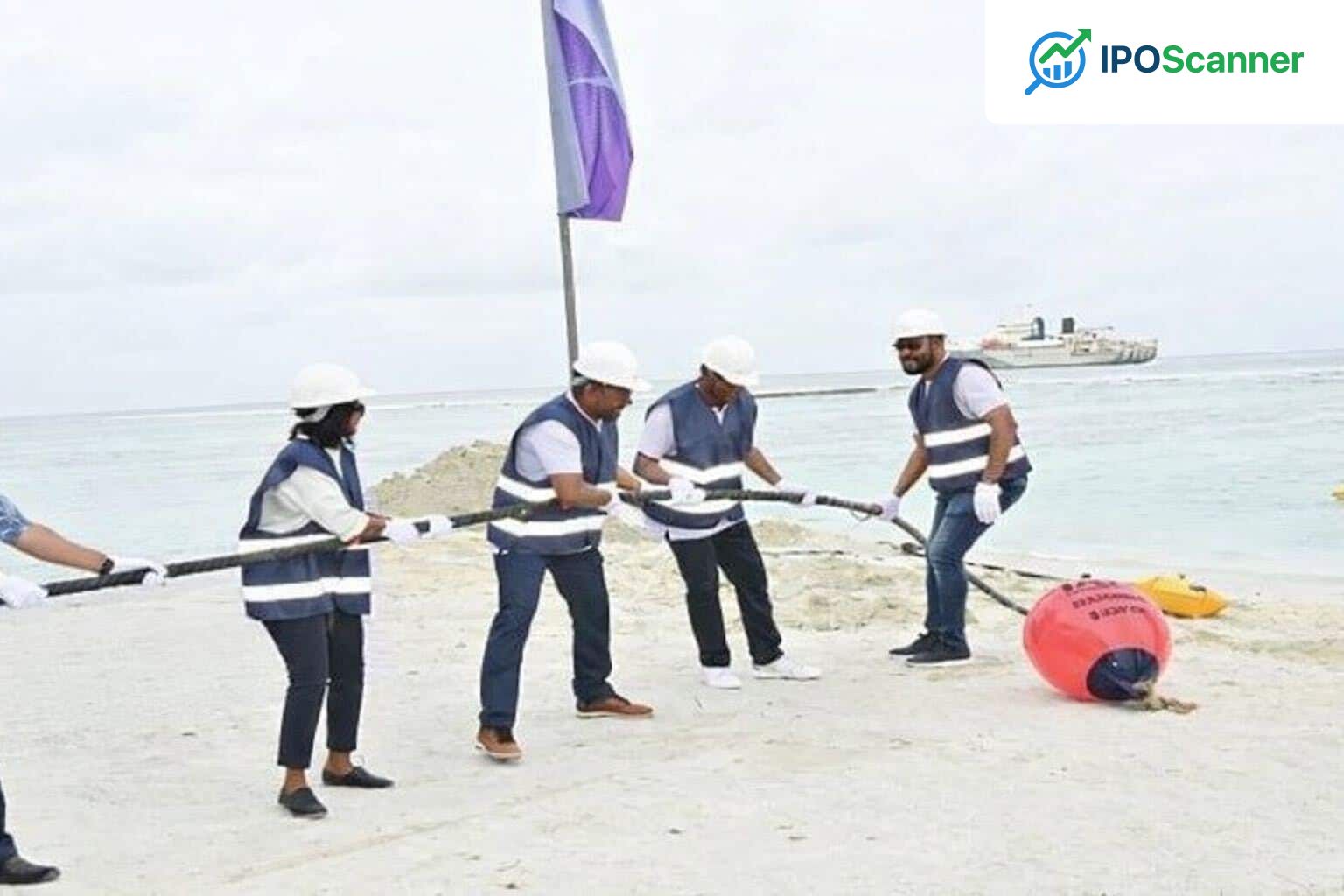
Despite repeated representations to the DoT, progress has been limited. A feasibility study was assigned to TCIL following earlier discussions, but there is little clarity on its outcome. Subsea cable maintenance is handled by a small pool of specialised global ship operators, and India does not have its own repair vessels. This leaves restoration timelines dependent on foreign availability, often leading to delays and higher costs.
India's Subsea Cable Repair Challenge
India currently does not have its own cable repair ship, leaving it dependent on foreign entities for restoration work and timelines. These repair capabilities are largely controlled by a handful of global players, adding a geopolitical dimension to what is otherwise a technical infrastructure issue. The challenge is compounded by the nature of subsea repairs, which require highly specialised ships and equipment to access cables laid deep on the ocean floor.
| Global Cable Repair Operators | India's Dependence |
|---|---|
| 5-6 global players | 100% dependent on foreign entities |
| Estimated 7-10 cable faults annually | Limited global capacity creates bottlenecks |
Executives warn that the risks go beyond operational delays. A majority of India's subsea cable routes pass through high-risk regions such as the South China Sea and the Red Sea, making them vulnerable to disruptions—both accidental and hostile. In a worst-case scenario, targeting subsea cables is one of the easiest ways to cripple a country's digital infrastructure.
The Industry's Call for Action
Read also: Treasury Yields Experience Largest Increase in Two Weeks Following Release of Labor Market Data
The industry is now urging the government to treat subsea cable repair as a strategic asset and develop domestic capability through a public-private partnership model, combining private sector efficiency with state-backed investment. This is not about cost savings—it's about resilience and national security. Structural weaknesses within India further amplify the risk, including the concentration of cable landing stations in Mumbai and Chennai.
| Cable Landing Stations | Concentration |
|---|---|
| Mumbai and Chennai | 80% of India's landing stations are concentrated in these two cities |
At the same time, India's infrastructure lags far behind its digital footprint. While the country generates nearly 20% of global data, its processing capacity is just about 2%, reflecting broader gaps in ecosystem development, including insufficient landing stations and route diversity. Industry players point to new global projects, such as Meta's proposed subsea cable network via the Cape of Good Hope, which avoids high-risk zones and includes India as a key node.
Such initiatives present an opportunity for India to position itself as a global data hub—provided policy support and infrastructure gaps are addressed.
More in Economy

Sony, 3one4 Capital Support WeRize in Latest Funding Round, Fintech Eyes 2028 Initial Public Offering

Treasury Yields Experience Largest Increase in Two Weeks Following Release of Labor Market Data

US-Iran Tensions Spark Uptick in Oil Prices Amid Global Market Decline

