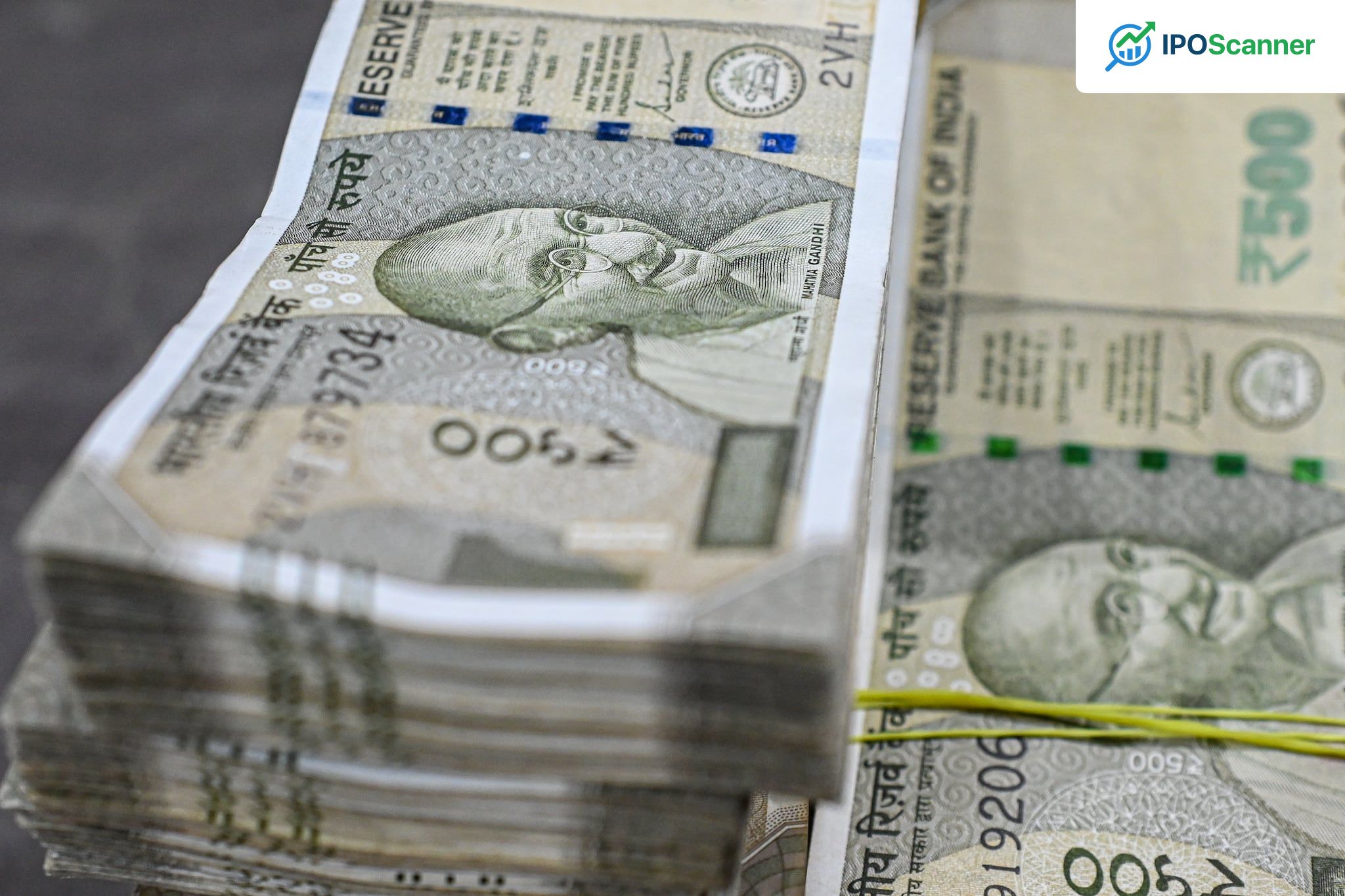
India's Soaring Oil Bill Exposes Limitations of RBI's Currency Defences
India's Current Account Deficit Widens Amid Oil Import Pressures
India's reliance on oil imports is taking a toll on the country's current account deficit, exacerbating the strain on the rupee as the Iran conflict drags on. Despite the Reserve Bank of India's (RBI) aggressive measures to curb speculation in the foreign-exchange market, the currency has struggled to maintain its gains.
India's dependence on oil imports is a significant factor contributing to the widening deficit. As the world's third-largest crude importer, the country is heavily exposed to fluctuations in global oil prices. The RBI's move to cap banks' open positions in the foreign-exchange market provided a temporary boost to the rupee on Monday, but the currency ultimately gave up most of its initial gains.
The pressure on the rupee is not solely due to speculation, but also from the real demand for dollars in the economy. Even before the conflict in the Middle East, India had a significant trade deficit, which is expected to widen further.
Read also: Treasury Yields Experience Largest Increase in Two Weeks Following Release of Labor Market Data
Current Account Deficit Projections
| Year | Estimated Current Account Deficit as a Percentage of GDP |
|---|---|
| 2026 (fiscal year ending in March) | 1% |
| 2027 (fiscal year beginning April) | 2.5% |
According to estimates from Standard Chartered Plc, the current account deficit may widen to 2.5% of GDP in the coming fiscal year. Nomura Holdings Inc. economists also forecast that a 10% rise in oil prices would widen the current account deficit by around 0.4% of GDP.
The rupee, Asia's worst-performing currency this year, jumped 1.4% at Monday's open before reversing course to close at a fresh low of 94.8325 per dollar. Bloomberg Economics estimates that under a pessimistic scenario involving an escalating conflict and a prolonged closure of the Strait of Hormuz, oil prices could average $125 in the fiscal year through March 2027.
Read also: US-Iran Tensions Spark Uptick in Oil Prices Amid Global Market Decline
Oil Price Projections and Balance of Payments Impact
| Oil Price Scenario | Estimated Balance of Payments Deficit |
|---|---|
| Pessimistic (Escalating Conflict and Prolonged Closure of the Strait of Hormuz) | $130 billion |
| Pre-War Estimate (Balance of Payments Surplus) | $10 billion |
Under the pessimistic scenario, oil prices could average $125, widening India's balance-of-payments deficit by more than $130 billion, an unprecedented shock. Before the war, Bloomberg Economics estimated that India would post a balance of payments surplus of $10 billion.
India's balance of payments includes the current account as well as the capital account and is the broadest measure of money flowing in and out of the economy. The country's balance of payments surplus in fiscal 2024 was $63.7 billion, but it turned into a deficit of $5 billion in fiscal 2025.
Risk of Capital Account Deficit and Pressure on the Rupee
India may also face a capital account deficit this fiscal year as foreign investors flee emerging markets for safer havens. This would be the first time since 1991 that India has faced a capital account deficit.
The pressure on the rupee is likely to persist, with Goldman Sachs Group economists cutting India's 2026 growth forecast to 5.9% last week. This is less than two weeks after lowering the forecast to 6.5% from 7%.
Investor Takeaway
Investors should be cautious of India's current account deficit and potential impact on the rupee.
More in Economy

Treasury Yields Experience Largest Increase in Two Weeks Following Release of Labor Market Data

US-Iran Tensions Spark Uptick in Oil Prices Amid Global Market Decline

MoSPI Releases Uniform Norms for DDP Estimates with 2022-23 Base Year

