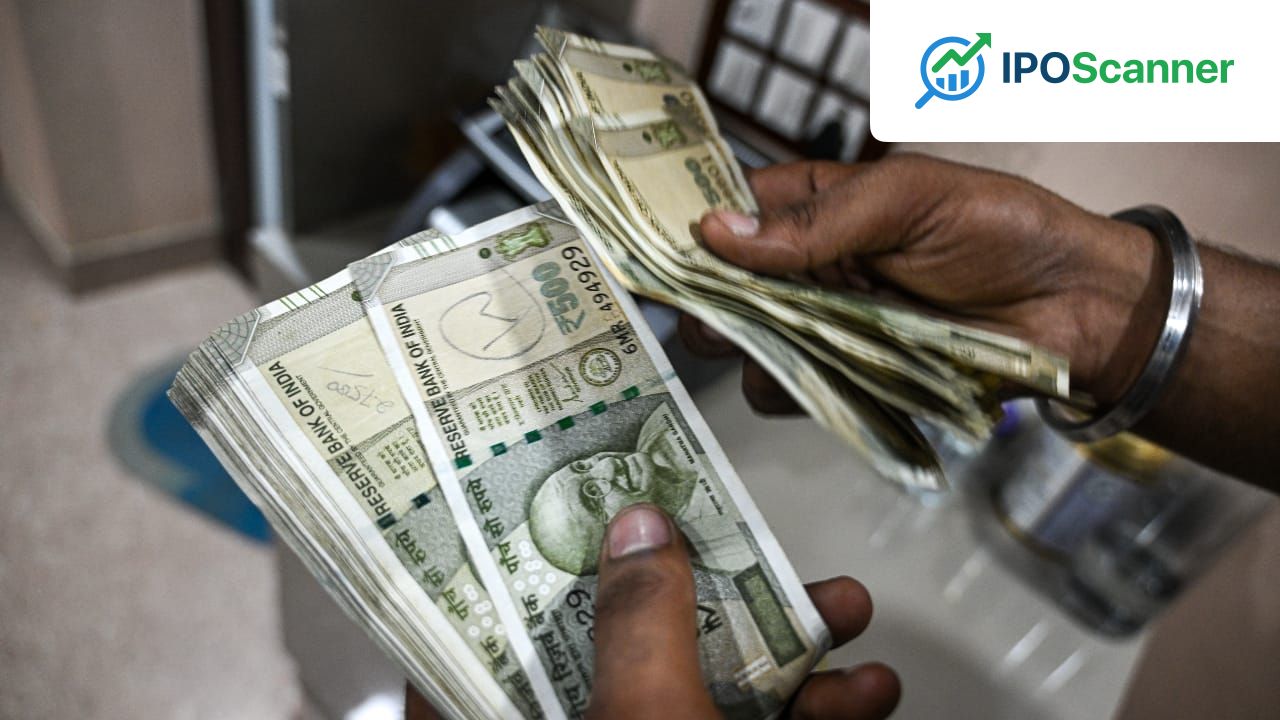
India's Rupee Fortifies Through Strategic Fiscal Reforms
India's Currency Conundrum: Three Reforms to Stabilize the Rupee
The Indian rupee has been on a downward spiral since the war in West Asia began in late February, depreciating by 5% to Rs 95.69 against the dollar last Friday. The Reserve Bank of India (RBI) has been working tirelessly to stem the decline, selling $195 billion of foreign currency on a gross basis and $53 billion on a net basis in FY26. However, the central bank's efforts have been insufficient to stem the tide, and the rupee continues to weaken.
The primary reason for the rupee's decline is the reversal of three key flows: foreign capital exiting, the crude oil import bill, and gold imports. Foreign Portfolio Investors (FPIs) pulled $13.6 billion out of Indian financial assets in March 2026, followed by $7.56 billion in April and $2.62 billion in May so far. The capital account is also leaking from the Foreign Direct Investment (FDI) side, with gross FDI into India hitting a record $94.5 billion in FY26, but net FDI being only $7.65 billion.
The root cause of the problem lies in India's tax architecture, which is out of sync with the rest of the large economies. Capital gains taxation on FPIs has been a source of dispute and exit anxiety for over a decade. The RBI has proposed a direct reform: waiving capital gains tax on new investments by all registered FPIs for the next five years, extending the benefit beyond that window for positions taken during it, until they are sold. This reform is expected to trigger a $20 billion swing in net FPI flows, meaningfully altering the rupee's trajectory.
Read also: Treasury Yields Experience Largest Increase in Two Weeks Following Release of Labor Market Data
| FPI Flows | March 2026 | April 2026 | May 2026 (so far) |
|---|---|---|---|
| Net Outflows | -$13.6 billion | -$7.56 billion | -$2.62 billion |
Another key factor contributing to the rupee's decline is India's large and growing crude oil import bill, which stood at $134.7 billion in FY26. The country imports 88% of its crude oil needs, making it structurally exposed to West Asia, OPEC decisions, and Russian discount cycles. To address this issue, the government has proposed a ₹1,00,000 crore central scheme over five years to incentivize a migration of all new buses to electric vehicles (EVs). This is expected to reduce the oil import bill and shift demand from a dollar-priced commodity to a rupee-priced industrial base in cell manufacturing, battery assembly, and component supply.
The third reform proposed is to abolish capital gains tax on the sale of gold by resident Indians for a 12-month window. This is expected to release some portion of the country's large gold holdings into the formal market, reducing imports and meeting domestic demand without crossing a customs gate.
| Gold Imports | FY26 | Import Value | Volume |
|---|---|---|---|
| $72 billion | 24% increase | -4.76% year-on-year |
Read also: US-Iran Tensions Spark Uptick in Oil Prices Amid Global Market Decline
The proposed reforms are expected to have a significant impact on the rupee's trajectory. If 200 additional tonnes of gold are released into the formal market over the year, India can avoid approximately $30 billion of imports at current gold prices of roughly $145,000 per kilogram. This is more than four times the net FDI inflow over FY26.
The Prime Minister has already publicly asked citizens to delay non-essential gold purchases. The capital gains waiver is an institutional mechanism that converts that appeal into a measurable outcome.
India has the policy tools to convert a moment of currency pressure into a structural acceleration. The cost of bureaucratic hesitation will not be measured in basis points or social media engagement. It will be measured in years of forgone growth, in EV scale we did not build, in capital we did not attract, and in domestic savings we did not unlock.
The rupee does not need a bailout. It needs urgent and obvious reforms. India has the institutional capacity to deliver them. What India needs is the decision to act on all fronts at once.
Investor Takeaway
Investors should be cautious of the rupee's decline and its potential impact on the Indian economy.
More in Economy

Treasury Yields Experience Largest Increase in Two Weeks Following Release of Labor Market Data

US-Iran Tensions Spark Uptick in Oil Prices Amid Global Market Decline

MoSPI Releases Uniform Norms for DDP Estimates with 2022-23 Base Year

