India's Rupee Crisis: Stability Requires Caution and Prudence
India's Central Bank Faces Dilemma Over Rupee's Value
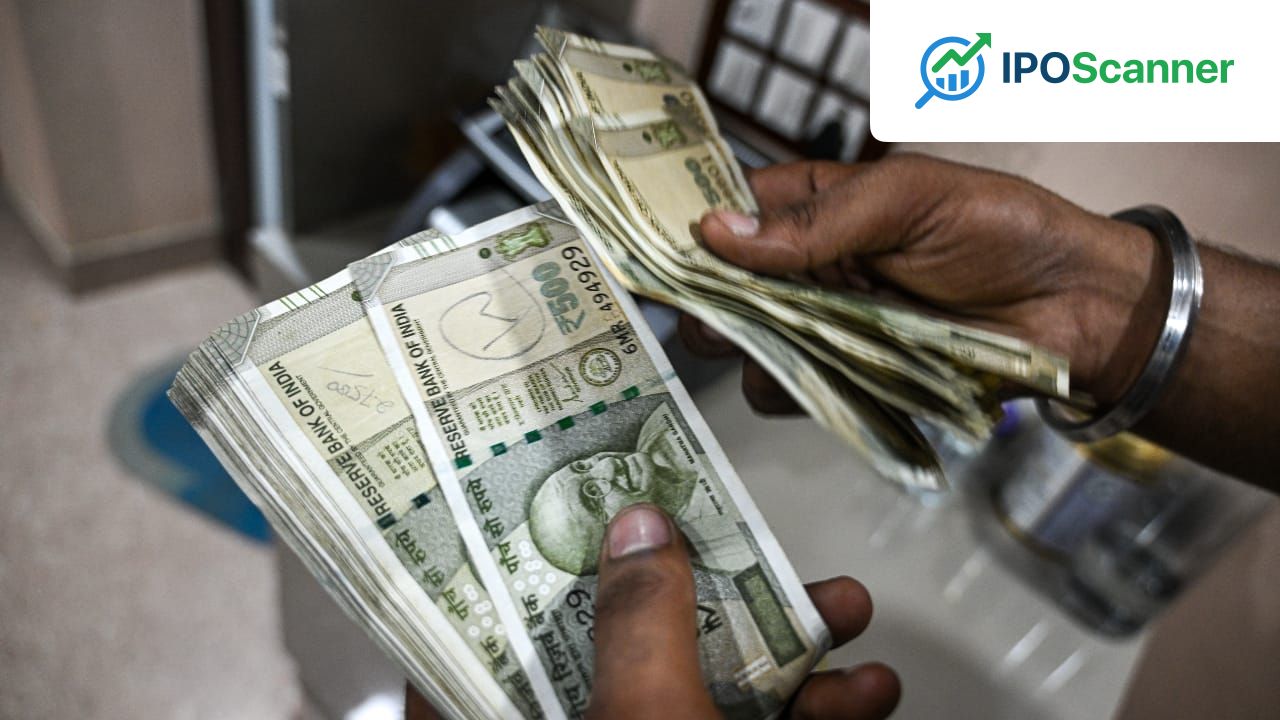
The Indian rupee's value against the US dollar has become a topic of intense debate, with various opinions emerging on what the Reserve Bank of India (RBI) should do. While a majority view suggests allowing the rupee to find its own level, this approach may be overlooking the potential consequences on inflation and the country's economic health.
Impact on Inflation
A recent column highlighted the potential problems with deregulating petrol and diesel prices, aligning them to global prices. This issue is closely tied to the value of the rupee against the US dollar. Crude oil accounts for 15% of India's inflation, and its price is derived from the global crude oil price and the value of the rupee against the dollar. In simpler terms, the value of the rupee against the dollar has an indirect impact on India's overall inflation computation.
Read also: Treasury Yields Experience Largest Increase in Two Weeks Following Release of Labor Market Data
India has managed to bring inflation within its targeted 2-6% band, although the absolute level being targeted is 4%. However, the country is just beginning to see the transmission of crude oil prices to fuel costs. A near ₹10 increase in petrol and diesel prices will likely have a visible impact on inflation by June. The upcoming monetary policy meeting will have to factor in this assumed impact on inflation, which may or may not reflect reality. Therefore, with every rupee India pays more against the dollar, the cost of living will become more expensive.
Impact on Deficit
Fiscal deficit is likely to breach the 4% threshold, and the question is whether the country will experience another year of steep capital account deficit. Foreign Direct Investment (FDI) and Foreign Institutional Investor (FII) inflows for the current year are bleak. Instead of addressing the underlying issues resulting in weak inflows and thin foreign capital exposure, the view that the rupee should find its level against the dollar may be treating the symptoms without diagnosing the problem.
A recent conversation with economists revealed that global investors have several concerns that go beyond the rupee's depreciation. For instance, the Know Your Customer (KYC) process can take at least 6-8 months to complete, and obtaining clearances to start a business can take a year, despite single-window clearances. Additionally, the country's tax structures are complex and intimidating. These factors are hurting the Indian rupee more than the rupee's value against the dollar.
Read also: US-Iran Tensions Spark Uptick in Oil Prices Amid Global Market Decline
| Reason | Description |
|---|---|
| KYC process | Takes at least 6-8 months to complete |
| Clearance process | Takes a year to obtain, despite single-window clearances |
| Tax structures | Complex and intimidating |
Allowing the rupee to find its own level may be a short-term solution, but it may lead to long-term problems if the underlying issues are not addressed.
Investor Takeaway
Investors should be cautious and monitor the situation closely as the rupee crisis may impact inflation and the overall economy.
More in Economy

Treasury Yields Experience Largest Increase in Two Weeks Following Release of Labor Market Data

US-Iran Tensions Spark Uptick in Oil Prices Amid Global Market Decline

MoSPI Releases Uniform Norms for DDP Estimates with 2022-23 Base Year

