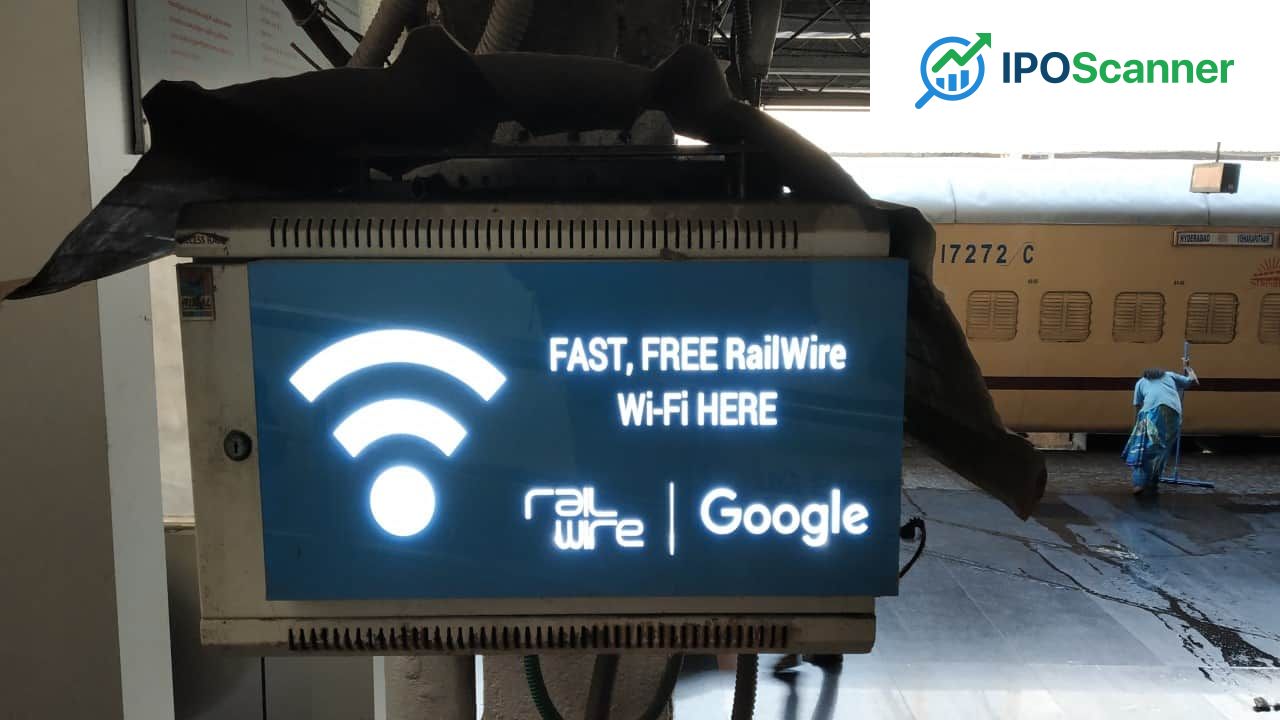
India's Rs 1.06 Lakh Crore Connectivity Fund: Public Wi-Fi or Mobile Broadband?
India's Digital Divide Fund Sparks Battle Between Telecom Operators and Tech Firms
The Digital Bharat Nidhi (DBN), a Rs 1.06 lakh crore government fund aimed at bridging India's digital divide, has become the focal point of a contentious debate between telecom operators, technology companies, and satellite broadband players. At the heart of the dispute is the question of whether the fund should be used to support public Wi-Fi networks or remain focused on expanding mobile broadband coverage.
Established in 2020 as the Universal Service Obligation Fund (USOF), the DBN has accumulated about Rs 1.06 trillion as of March 2026, funded largely through contributions from telecom operators, who contribute 5% of their adjusted gross revenue (AGR) to the fund. The Telecom Regulatory Authority of India (Trai) is currently exploring ways to revive the government's PM-WANI public Wi-Fi programme, which has struggled to gain traction despite its ambitious targets.
Why the Debate Matters
Read also: HNGIL Warns Bira91 Investors of Potential Insolvency Proceedings Over Outstanding Dues
The PM-WANI programme had aimed to deploy 10 million public Wi-Fi hotspots by 2022 and 50 million by 2030. However, as of April 2026, only about 410,000 hotspots had been deployed. Trai is now examining policy and financial interventions to make public Wi-Fi commercially viable and expand its reach.
The Cellular Operators Association of India (COAI), which represents Reliance Jio, Bharti Airtel, and Vodafone Idea, has opposed using DBN funds to subsidise public Wi-Fi. The industry body argues that telecom operators contribute the overwhelming majority of the fund and should not be forced to finance a competing connectivity ecosystem. COAI maintains that operators already invest heavily in spectrum, network expansion, rural coverage, and regulatory compliance, while public Wi-Fi providers do not face similar obligations.
| Operator | Contribution to DBN (as of March 2026) |
|---|---|
| Reliance Jio | Rs 44,500 crore |
| Bharti Airtel | Rs 34,600 crore |
| Vodafone Idea | Rs 15,800 crore |
| Total | Rs 1.06 trillion |
Reliance Jio has argued that subsidised Wi-Fi is unlikely to improve digital inclusion because it primarily benefits users who already own smartphones and have access to affordable mobile broadband. The company also stated that telecom operators are effectively being asked to subsidise competing Wi-Fi providers through a fund they themselves finance.
In contrast, technology companies and public Wi-Fi advocates have pushed back against the telecom industry's position. The Broadband India Forum (BIF), whose members include Google, Meta, Amazon, and Netflix, argues that public Wi-Fi complements rather than competes with mobile broadband. According to BIF, a mobile-first strategy should not become a mobile-only strategy.
BIF has urged Trai to allow DBN funds to support public Wi-Fi infrastructure, including hotspot deployment, last-mile backhaul, and connectivity projects in rural Gram Panchayats, semi-urban areas, and underserved regions where private investment is unlikely to materialise. The group has also recommended linking funding to outcomes such as uptime and active usage rather than infrastructure deployment alone.
Former Trai chairman R.S. Sharma believes that the programme's challenges stem largely from implementation bottlenecks rather than flaws in the framework itself. Sharma has proposed the creation of a national coordinating body modelled on the National Payments Corporation of India, which could oversee governance, standards, and ecosystem development for PM-WANI.
As the debate continues, the fate of India's digital divide fund hangs in the balance, with far-reaching implications for the country's connectivity landscape.
Investor Takeaway
Investors should monitor the development of the Digital Bharat Nidhi (DBN) and its potential impact on the telecom sector.
More in Market

HNGIL Warns Bira91 Investors of Potential Insolvency Proceedings Over Outstanding Dues

ICICI Prudential and HDFC Mutual Fund Restrict Gold ETF Investments: Impact on Investors and SIPs Unchanged

Sensex, Nifty Decline in Volatile Trading Following RBI Policy Statement