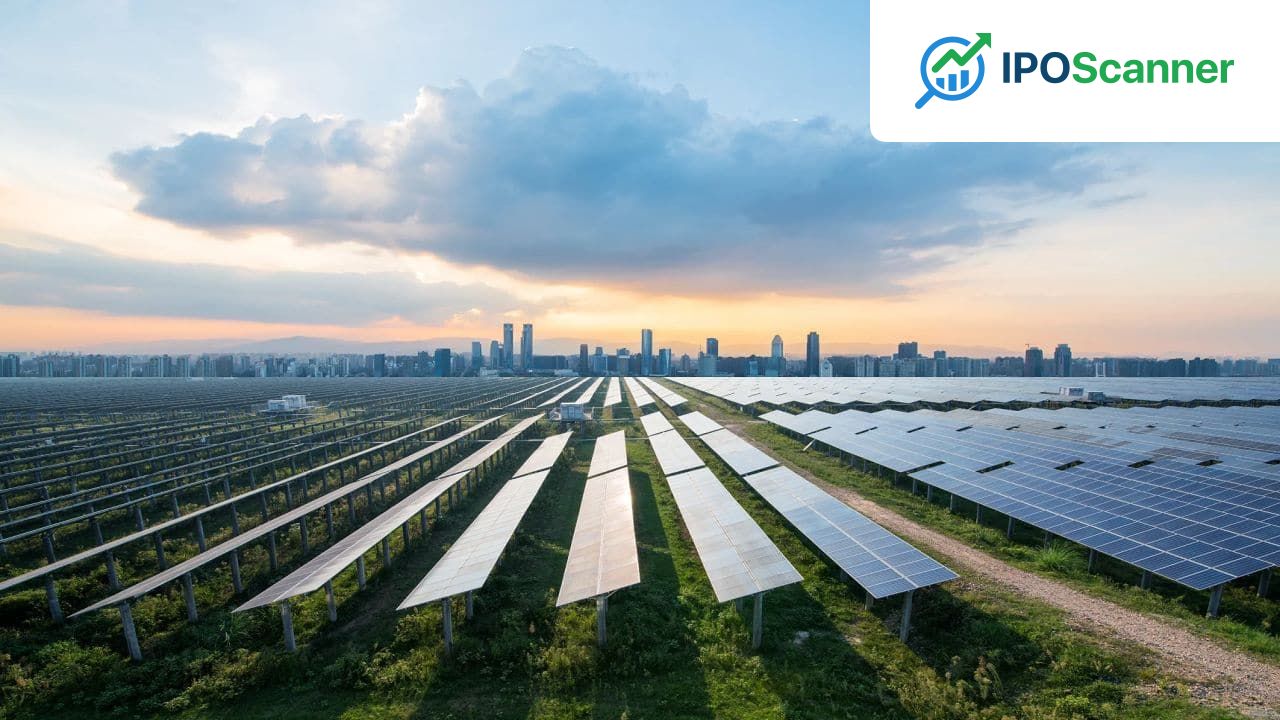
India's Renewable Energy Boom Hits Grid Reality Check as Storage Risks Come Under Spotlight
India's Renewable Energy Sector Faces Challenges Amid Expansion
India's renewable energy sector is poised for growth, but transmission bottlenecks, grid stress, and storage execution risks may hinder its momentum, according to Moody's Ratings and ICRA. The agencies predict that renewable sources, including large hydro, will account for 38% of India's electricity generation by FY30, up from 26% in FY26, driven by nearly 170 GW of fresh capacity additions over FY27-FY30.
The pace of growth will depend on timely project execution, faster transmission expansion, sustained bidding activity, and quicker signing of power purchase agreements (PPAs) by central nodal agencies. Grid curtailment reported in states such as Rajasthan, particularly affecting solar assets during peak generation hours, underscores the growing strain on existing grid infrastructure amid rising renewable penetration.
ICRA notes that the sector is shifting towards more dependable clean energy formats, with round-the-clock renewable energy, firm and dispatchable renewable energy, and solar-plus-storage projects accounting for nearly 80% of total renewable capacity awarded in FY26. Falling battery prices have improved the viability of standalone battery energy storage systems (BESS), with around 22 GWh of storage capacity awarded during the year.
Read also: Treasury Yields Experience Largest Increase in Two Weeks Following Release of Labor Market Data
However, ICRA has flagged execution and performance risks in the emerging storage segment. The viability of BESS remains closely linked to capital costs, and given the sector's limited operational track record in India, the ability of BESS developers to meet key performance parameters remains a key area to watch.
Moody's has identified improving operational and financial performance of state-owned distribution companies (DISCOMs) as a key factor in strengthening the sector's credit profile, aided by government reforms, funding support, and improved payment discipline. Sustained reforms and implementation of proposed amendments to the Electricity Act will remain important for maintaining the sector's financial health.
The agencies have also highlighted data centres as a major long-term demand driver for India's power sector. Moody's expects Asia-Pacific data centre capacity to more than double over the next five years, with India emerging as a key growth market due to rising domestic demand, data localisation policies, and government support.
| Country | Data Centre Capacity (2026) | Data Centre Capacity (2031) | Growth Rate |
|---|---|---|---|
| India | 20% | 40% | 100% |
| China | 30% | 60% | 100% |
| Japan | 15% | 30% | 100% |
| South Korea | 10% | 20% | 100% |
Read also: US-Iran Tensions Spark Uptick in Oil Prices Amid Global Market Decline
The agencies warn that geopolitical risks continue to pose challenges for India's clean energy ambitions. ICRA notes that India remains heavily dependent on China for critical solar equipment and battery storage components, leaving the sector exposed to potential supply disruptions if bilateral tensions escalate.
Investor Takeaway
Investors should be cautious of potential transmission bottlenecks and grid stress in India's renewable energy sector.
More in Economy

Treasury Yields Experience Largest Increase in Two Weeks Following Release of Labor Market Data

US-Iran Tensions Spark Uptick in Oil Prices Amid Global Market Decline

MoSPI Releases Uniform Norms for DDP Estimates with 2022-23 Base Year

