India's Prime Minister Modi Visits UAE Amid Heightened Middle East Tensions and Strait of Hormuz Crisis
India Takes Steps to Ensure Uninterrupted Energy Supply Amid US-Iran Conflict
The soaring crude oil prices, driven by the ongoing US-Iran conflict, pose a critical macroeconomic challenge for the Indian economy. In response, India is taking all necessary domestic and strategic measures to ensure an uninterrupted energy supply. The Strait of Hormuz, a crucial global oil transit route, has effectively been closed since the US-Iran war started on February 28.
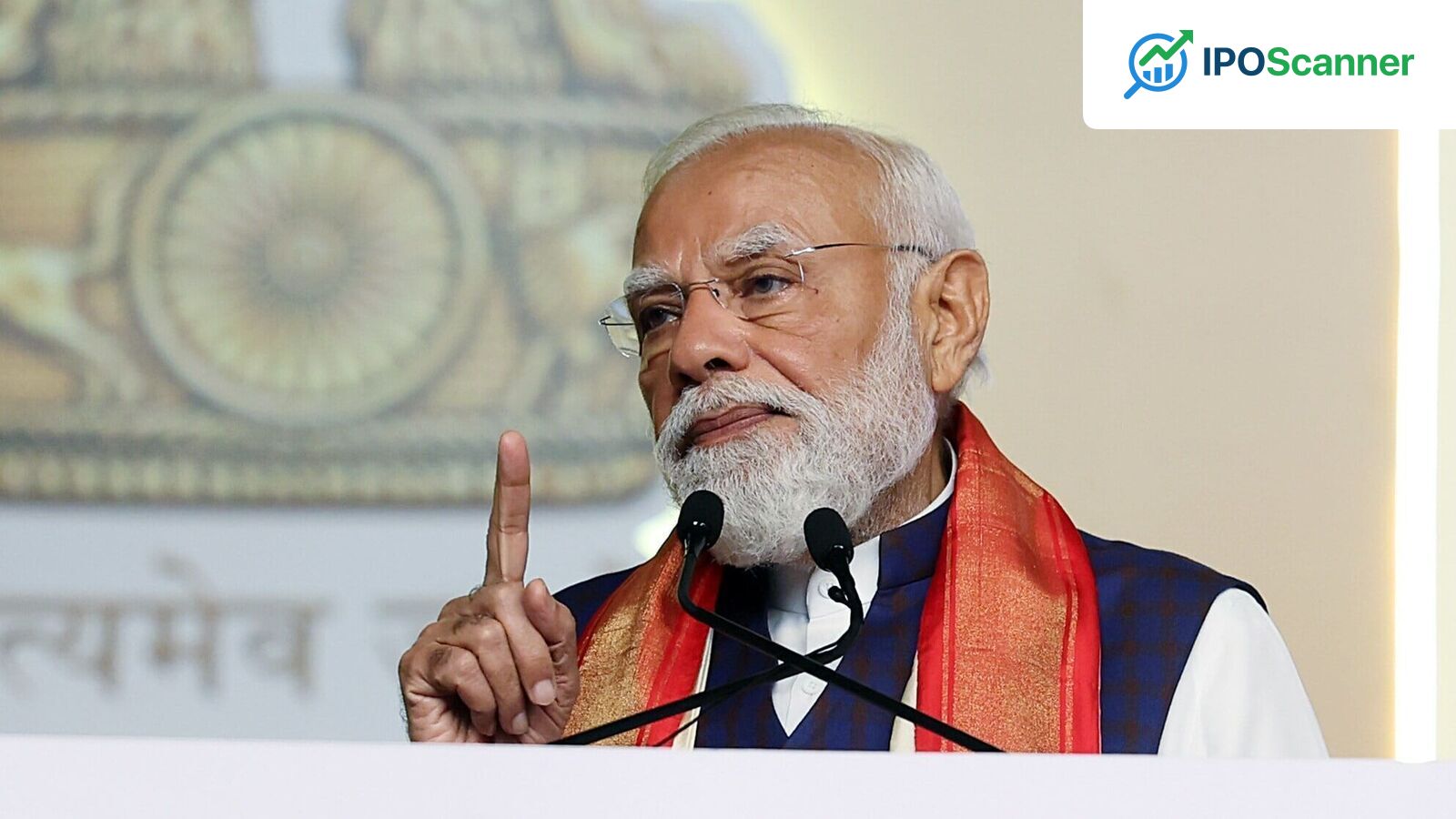
In a bid to address this challenge, Prime Minister Narendra Modi embarked on a five-nation visit, with the United Arab Emirates (UAE) being the first leg, on May 15. During his visit, the Prime Minister held discussions with UAE President Sheikh Mohamed bin Zayed Al Nahyan and signed pacts on strategic petroleum reserves and the supply of liquefied petroleum gas (LPG).
The strategic collaboration between Indian Strategic Petroleum Reserves Limited (ISPRL) and Abu Dhabi National Oil Company (ADNOC) aims to increase ADNOC's crude oil storage in India for up to 30 million barrels. This partnership may also lead to the setting up of strategic gas reserves in India. The leaders agreed to promote new initiatives for a comprehensive energy partnership, which includes the conclusion of a Strategic Collaboration Agreement between ISPRL and ADNOC to enhance the UAE's participation in India's Strategic Petroleum Reserves.
Read also: Treasury Yields Experience Largest Increase in Two Weeks Following Release of Labor Market Data
According to experts, the agreement between India and the UAE will not only diversify India's energy sources and expand storage capacity but also potentially build a secure and future-ready energy ecosystem for the country. The deal also appears to have a Hormuz angle, as the UAE's Abu Dhabi Crude Oil Pipeline can transport about 1.5 million barrels per day (bpd) directly to Fujairah in the UAE, bypassing the Strait of Hormuz and ensuring a safe and secure oil supply.
The India-UAE deal is a major diplomatic breakthrough and hugely beneficial for India. A major benefit in the context of the present oil crisis is the UAE's agreement to store up to 30 million barrels of crude oil in India's Strategic Petroleum Reserve, entirely at the UAE's expense. The UAE has also committed $5 billion investment in Indian infrastructure, and Indian exports to the UAE are almost duty-free, boosting India's exports.
| Country | Crude Oil Storage Capacity (Million Barrels) |
|---|---|
| India | 5.33 (previously) |
| India (after ISPRL-ADNOC agreement) | 35.33 (up to 30 million barrels) |
| UAE | 30 (previously) |
Note: The table above compares the crude oil storage capacity in India and the UAE before and after the ISPRL-ADNOC agreement.
Read also: US-Iran Tensions Spark Uptick in Oil Prices Amid Global Market Decline
Investor Takeaway
India is taking measures to ensure an uninterrupted energy supply amid the US-Iran conflict.
More in Economy

Treasury Yields Experience Largest Increase in Two Weeks Following Release of Labor Market Data

US-Iran Tensions Spark Uptick in Oil Prices Amid Global Market Decline

MoSPI Releases Uniform Norms for DDP Estimates with 2022-23 Base Year

