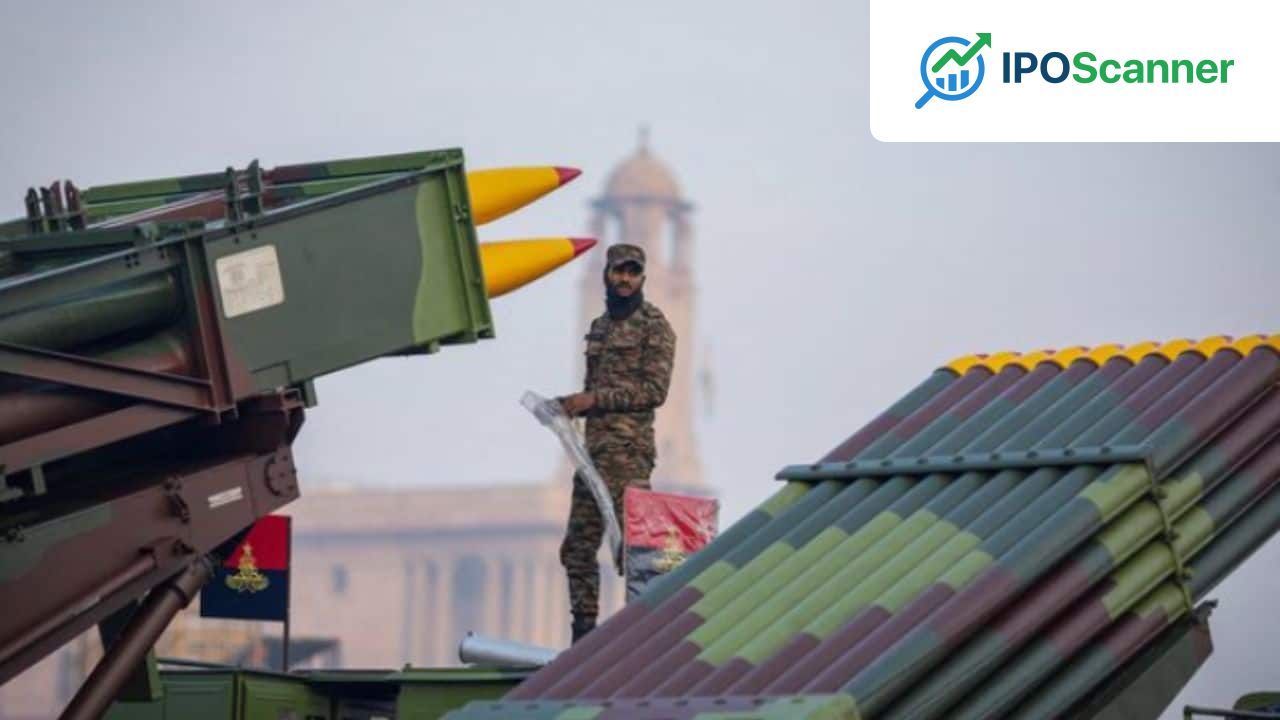
India's Preparations for the Iran Conflict Hold Warning for Future Conflicts
India May Be Preparing for the Wrong Kind of War
India's military strategy may be lagging behind the times, according to Brahma Chellaney, a professor of strategic studies at the Centre for Policy Research in New Delhi. In a post on X, Chellaney pointed to the ongoing Iran conflict as evidence that modern warfare is increasingly being shaped by low-cost, asymmetric tools rather than conventional firepower.
The Iran conflict serves as a case study for this shift. The United States and Israel carried out sustained military operations, degrading parts of Iran's military capability. However, these actions did not produce a clear strategic outcome, as Iran continued to respond through non-conventional means. This highlights the limitations of relying solely on conventional warfare.
India's military strategy remains focused on large, conventional conflicts, even as China and Pakistan rely on asymmetric tactics. China's actions in eastern Ladakh in 2020, where territorial changes were achieved without a conventional war, demonstrate how outcomes can be shaped without direct escalation. Chellaney argued that India risks falling behind this shift.
Read also: Treasury Yields Experience Largest Increase in Two Weeks Following Release of Labor Market Data
India's continued focus on high-value military imports and high-cost platforms is a concern. The country remains among the world's largest arms importers, with efforts to procure advanced fighter aircraft. However, spending on such platforms exceeds investments in domestic missile and drone capabilities. This prioritization may leave India vulnerable to asymmetric threats.
| Country | Military Spending | Domestic Missile and Drone Investments |
|---|---|---|
| India | $12.4 billion (2020) | $1.2 billion (2020) |
| China | $261.1 billion (2020) | $14.8 billion (2020) |
| Pakistan | $7.2 billion (2020) | $1.5 billion (2020) |
The Iran conflict highlights the importance of adapting to this shift in warfare. The United States and its allies faced significant costs in defending against Iran's asymmetric attacks, including the use of advanced interceptor systems. The cost of sustaining operations ran substantially higher than the cost of the systems deployed by Iran.
The conflict also diverted US military and political focus, including from the Indo-Pacific region. Differences emerged between the US and its partners over the conduct of the conflict. The Strait of Hormuz remained a central pressure point during the conflict, with threats to shipping affecting global energy flows and adding volatility to markets.
Read also: US-Iran Tensions Spark Uptick in Oil Prices Amid Global Market Decline
Chellaney's analysis underlines a broader shift in warfare, where lower-cost systems such as drones and missiles are being used to impose costs on stronger militaries. India's continued focus on conventional platforms raises questions about whether its military planning reflects these changes, particularly as its adversaries employ different strategies.
More in Economy

Treasury Yields Experience Largest Increase in Two Weeks Following Release of Labor Market Data

US-Iran Tensions Spark Uptick in Oil Prices Amid Global Market Decline

MoSPI Releases Uniform Norms for DDP Estimates with 2022-23 Base Year

