India's Pokhran-II Nuclear Tests Trigger Regional Tensions and Pakistani Response
India's Pokhran-II Tests Spark Nuclear Rivalry with Pakistan
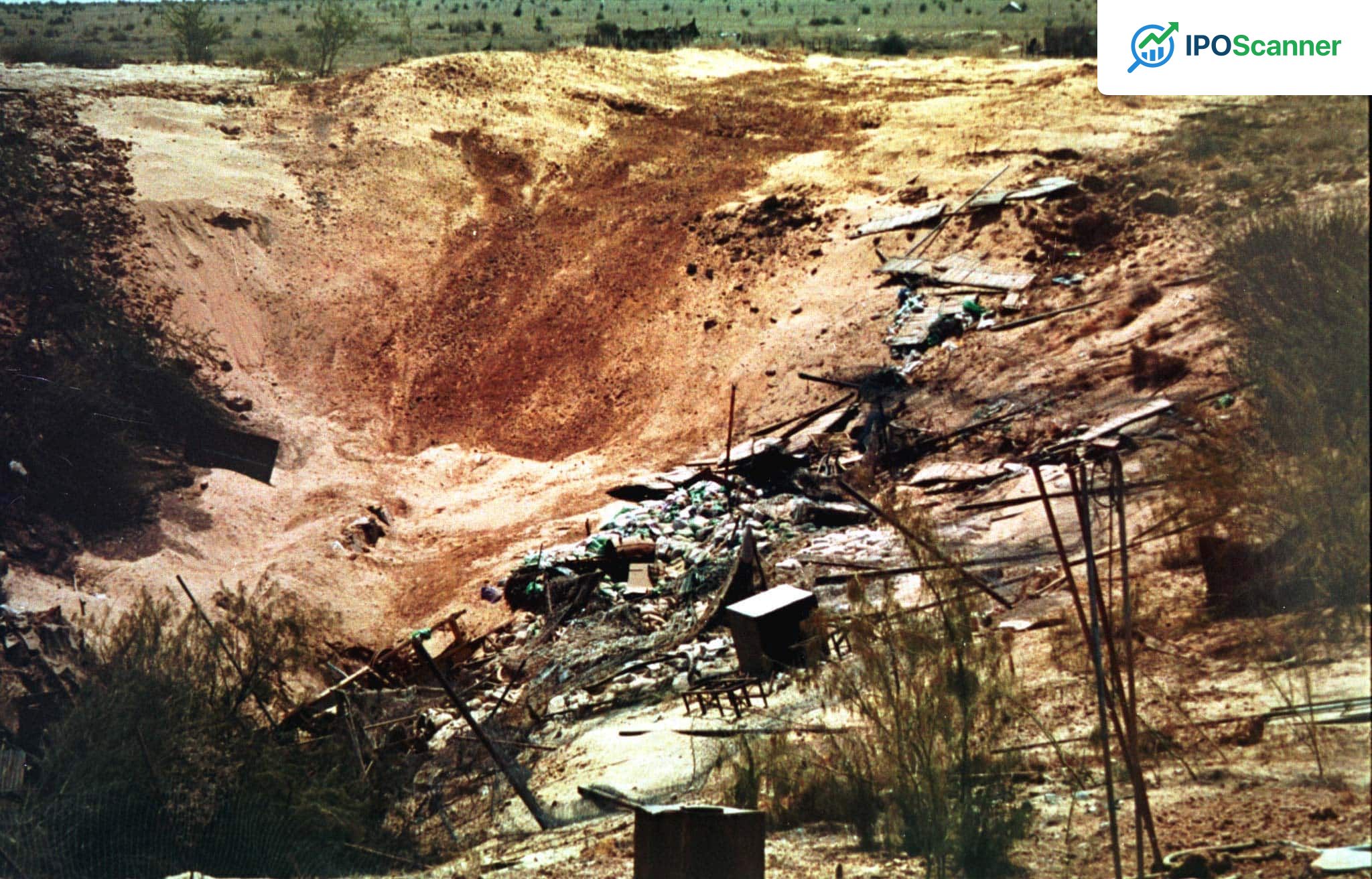
On May 11, 1998, India conducted three underground nuclear tests at Pokhran in Rajasthan under Operation Shakti, marking a significant turning point in the country's nuclear program.
Two more tests followed on May 13, formally declaring India a nuclear weapons state and signaling that New Delhi was prepared to defy global pressure in pursuit of strategic autonomy.
However, the tests had a profound impact on Pakistan, a neighboring country that had been pursuing nuclear capability covertly. Pakistan, which had long feared Indian military and diplomatic dominance, saw the tests as a direct threat to its national security.
Read also: Treasury Yields Experience Largest Increase in Two Weeks Following Release of Labor Market Data
Islamabad responded with its own nuclear detonations in the Chagai Hills of Balochistan on May 28, 1998, conducting five nuclear tests. A sixth followed two days later, transforming Pakistan into an overt nuclear weapons state and marking the beginning of an open nuclear rivalry between the two neighbors.
The tests triggered celebrations across Pakistan, with crowds pouring onto the streets and state media declaring that Islamabad had "evened the score" with India.
In India, the news of the Pakistani tests dramatically shifted the atmosphere during an ongoing debate over Pokhran-II. The Indian government responded by saying that India's decision had now been "vindicated," arguing that Pakistan's reaction proved why India could no longer remain strategically ambiguous.
Pakistan's Nuclear Programme
Read also: US-Iran Tensions Spark Uptick in Oil Prices Amid Global Market Decline
Pakistan's nuclear ambitions dated back decades, with the roots lying in its crushing defeat in the 1971 war, which led to the creation of Bangladesh. The military humiliation convinced sections of Pakistan's leadership that nuclear weapons were essential for survival against a militarily larger India.
Pakistan's nuclear programme accelerated during the 1970s and 1980s under scientist Abdul Qadeer Khan, often described as the architect of Pakistan's atomic programme. By the late 1980s and early 1990s, intelligence assessments suggested Pakistan already possessed the capability to assemble nuclear weapons, even if it had not publicly tested them.
Consequences of Pakistan's Nuclear Tests
The most significant consequence of Pakistan's nuclear tests was not simply deterrence, but the strategic shield it provided Islamabad in future conflicts with India. Since 1998, Pakistan's nuclear arsenal has repeatedly hovered over India-Pakistan confrontations, influencing New Delhi's military calculations during crises ranging from the 1999 Kargil War to the 2001 Parliament attack, the 2008 Mumbai attacks and later border escalations.
Indian strategic thinkers have long argued that Pakistan used nuclear deterrence as cover for cross-border terrorism and proxy warfare, believing India would avoid full-scale retaliation due to fears of escalation.
International Response
Unlike India's Pokhran-II operation, which reportedly evaded American satellite surveillance, Pakistan's preparations for the Chagai tests were closely monitored by US intelligence. Then US President Bill Clinton reportedly made last-minute efforts to persuade Pakistan not to proceed, including discussions around economic assistance and sanctions relief.
After the tests, both India and Pakistan faced international sanctions and criticism, while global fears grew over the possibility of a nuclear arms race in South Asia.
| Country | Year | Number of Tests | Date of Tests |
|---|---|---|---|
| India | 1998 | 5 | May 11-13, 1998 |
| Pakistan | 1998 | 6 | May 28-30, 1998 |
Legacy of Pokhran-II
More than 27 years later, Pokhran-II and the Chagai tests continue to define the security architecture of South Asia. India's nuclear doctrine evolved around concepts such as credible minimum deterrence and no-first-use, while Pakistan developed tactical nuclear weapons aimed at countering India's conventional military superiority.
The result has been a fragile balance where both nations possess nuclear weapons, but continue to engage in military stand-offs, diplomatic crises and periodic conflict.
For India, Pokhran-II remains a moment of strategic assertion and technological confidence.
More in Economy

Treasury Yields Experience Largest Increase in Two Weeks Following Release of Labor Market Data

US-Iran Tensions Spark Uptick in Oil Prices Amid Global Market Decline

MoSPI Releases Uniform Norms for DDP Estimates with 2022-23 Base Year

