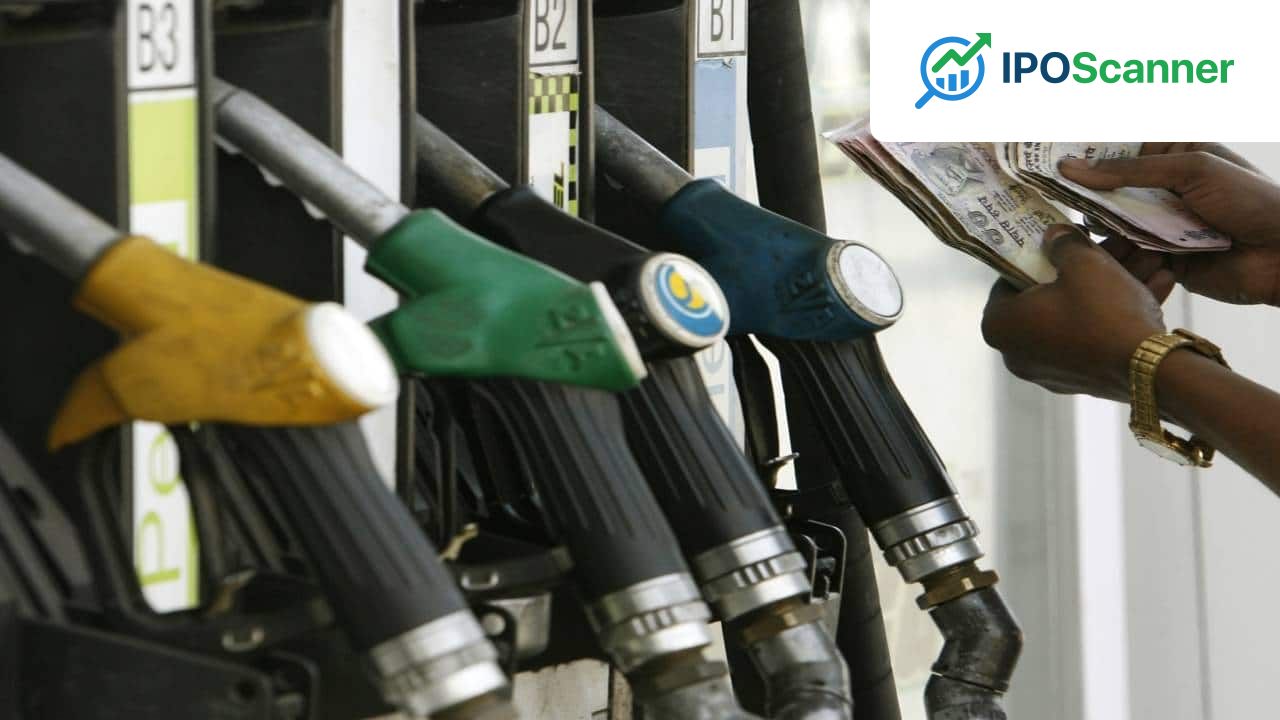
India's Petrol and Diesel Price Hikes Remain Globally Low
India Maintains Fuel Price Steadiness Amid Global Disruptions
In a remarkable display of fiscal management, India has reduced excise duties and largely kept retail fuel prices steady through two of the biggest global crude disruptions in recent years. This stands in stark contrast to several major economies, which have passed on sharp increases to consumers.
An analysis of fuel pricing trends between the Russia-Ukraine war in 2022 and the Strait of Hormuz disruption in 2026 reveals that India cut petrol and diesel prices four times during the period, while retail fuel prices in many large importing economies rose between 15 percent and 90 percent.
The latest increase in domestic fuel prices, 91 paise per litre on petrol and diesel on May 15, 2026, was also the first material upward revision in nearly four years. This revision marked a significant departure from the Centre's consistent efforts to reduce fuel prices.
Read also: Treasury Yields Experience Largest Increase in Two Weeks Following Release of Labor Market Data
India's Fiscal Prudence in the Face of Global Crises
India first reduced central excise duty on petrol and diesel on November 4, 2021, months before the Russia-Ukraine war disrupted global energy markets. A second round of cuts followed on May 21, 2022, after crude prices surged post the invasion of Ukraine. Together, the two rounds lowered petrol prices by Rs 13 per litre and diesel prices by Rs 16 per litre at the retail level.
Oil marketing companies later reduced pump prices by another Rs 2 per litre in March 2024, followed by further duty reductions in 2025 and March 2026. The sharpest intervention came on March 27, 2026, days after the Strait of Hormuz disruption intensified concerns over global oil supplies. The Centre reduced Special Additional Excise Duty (SAED), taking excise duty on petrol down to Rs 3 per litre and reducing diesel excise duty to zero.
| Economy | Petrol Price Increase (2026) |
|---|---|
| Myanmar | 90% |
| Malaysia | 56% |
| Pakistan | 55% |
| United States | 44% |
| India | 4% |
| Saudi Arabia | 0% |
Read also: US-Iran Tensions Spark Uptick in Oil Prices Amid Global Market Decline
Global Crude Prices and India's Response
Brent crude crossed $120 per barrel twice between 2022 and 2026, first during the Russia-Ukraine war and again during the Strait of Hormuz disruption earlier this year. India, which imports more than 85 percent of its crude requirement, faced rising import costs during both periods. At the peak of the Hormuz disruption, under-recoveries at the refinery gate were estimated at roughly Rs 26 per litre on petrol and over Rs 80 per litre on diesel.
Retail Fuel Prices in India vs. Global Peers
Between late February and mid-May 2026, the period covering the Hormuz disruption and the latest OMC revision, fuel prices in several countries recorded sharp increases in local currency terms. Petrol prices rose nearly 90 percent in Myanmar, more than 56 percent in Malaysia, around 55 percent in Pakistan, and over 44 percent in the United States during the period. Diesel prices rose more than 86 percent in the United Arab Emirates and nearly 89 percent in New Zealand.
In contrast, India's retail petrol and diesel prices rose just over 4 percent during the same window after the May 15 revision. Saudi Arabia was among the few countries where prices remained unchanged.
Fuel Pricing Debate and Oil Bonds
The latest fuel pricing debate has also revived comparisons with the oil bond mechanism used during the UPA years. Between 2005 and 2010, the UPA government issued oil bonds worth around Rs 1.34 lakh crore to compensate state-run oil marketing companies for selling fuel below market-linked prices. The current approach has relied more on direct tax reductions and revenue absorption by the exchequer during periods of elevated crude prices.
State Taxes and Retail Price Variations
Retail fuel prices continue to vary sharply across states due to differences in VAT structures and additional levies imposed by state governments. States such as Andhra Pradesh, Telangana, and Kerala currently have among the highest petrol prices in the country due to higher VAT rates and additional cesses. By contrast, BJP-ruled states such as Gujarat, Uttar Pradesh, Haryana, Goa, and Assam remain among the lower-priced markets.
Fuel Pricing Remains Politically Sensitive
Fuel taxation has remained one of the most politically contested economic issues over the past decade, especially during periods of elevated crude prices. Opposition parties have repeatedly argued that retail fuel prices remain elevated because of high indirect taxes, while the Centre has pointed to excise duty reductions, fiscal costs, and legacy oil bond repayments as part of the broader pricing context.
Investor Takeaway
India's fuel pricing strategy has been relatively stable compared to other major economies.
More in Economy

Treasury Yields Experience Largest Increase in Two Weeks Following Release of Labor Market Data

US-Iran Tensions Spark Uptick in Oil Prices Amid Global Market Decline

MoSPI Releases Uniform Norms for DDP Estimates with 2022-23 Base Year

