India's Payments Banking Sector Faces Uncertain Future
Payment Banks in India Face Uncertain Future After Paytm's Licence Cancellation
The operational model of payment banks in India has been a topic of debate since their inception about a decade ago. The cancellation of Paytm Payments Bank's license has once again raised questions about the survival ability of these institutions, which have a limited mandate.
A decade after licenses were issued, only a handful of players remain active, operating with tight margins and limited visibility. At the core of the issue is the business model of payment banks. They can take deposits and enable transactions but are restricted from lending, which is where traditional banks earn their income.
As a result, payment banks' income comes from transaction fees, commissions, and returns on investments in safe instruments. These activities are not high-margin, and costs are significant, mainly related to technology, compliance, and customer acquisition. When costs are high and income is limited, it becomes a problem for the company.
Read also: Treasury Yields Experience Largest Increase in Two Weeks Following Release of Labor Market Data
Operational Challenges and Governance
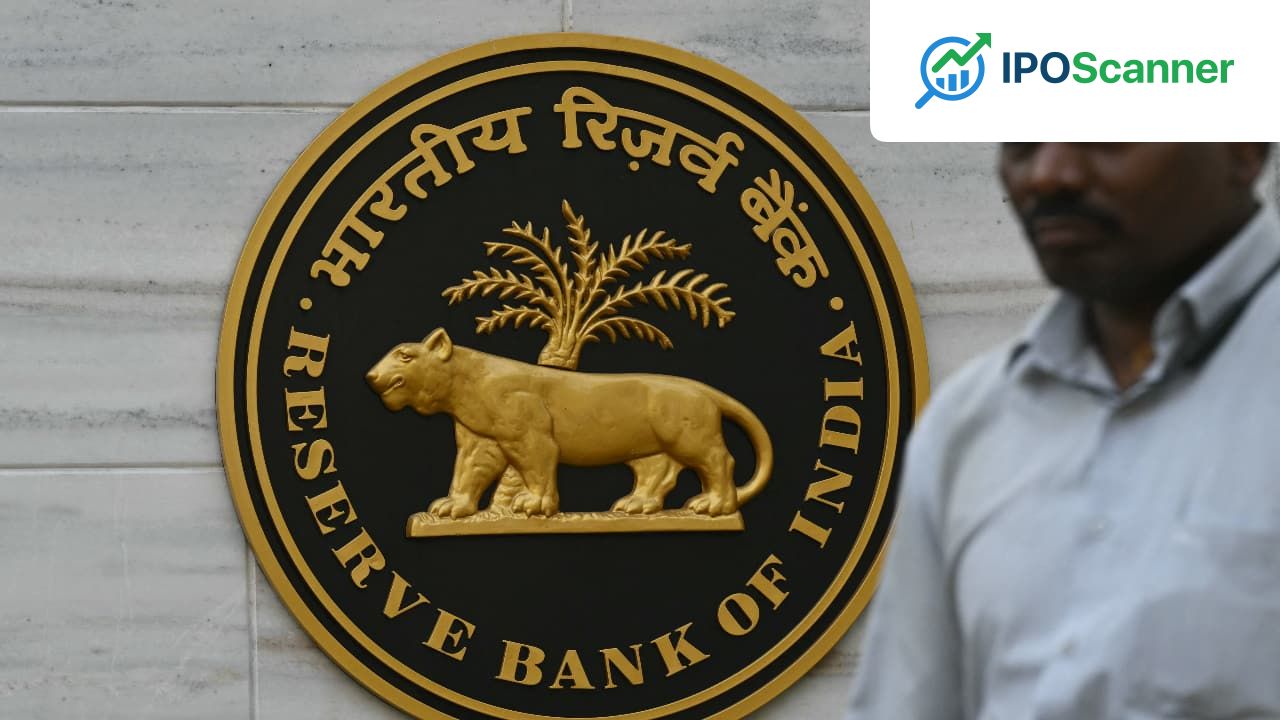
Apart from operational challenges, keeping the highest standards of governance is critical for payment banks. The Reserve Bank of India's decision to cancel Paytm Payments Bank's license highlights the importance of governance failures and repeated violations. Payment banks handle public money, and their credibility rests on compliance and trust. Once this weakens, the model itself comes under strain.
Possible Scenarios for Payment Banks
There are several possible scenarios for the future of payment banks. One possibility is that they continue to operate in a limited role, serving basic banking and payment services for migrant workers, small merchants, and low-income users. This space provides a steady, tightly regulated, and low-margin business model.
Read also: US-Iran Tensions Spark Uptick in Oil Prices Amid Global Market Decline
Another possibility is that payment banks increasingly act as distribution platforms, working with larger banks and financial institutions to offer insurance and other products without taking risk on their own books. This is already happening to some extent, but the question remains whether it can become a sustainable model, given the competition and pressure on margins.
A third possibility is a gradual loss of relevance, as the need for a separate payment bank is no longer obvious for many users, given the rise of UPI and other digital payment platforms.
| Scenario | Characteristics | Pros | Cons |
|---|---|---|---|
| Limited Role | Basic banking and payment services | Steady, tightly regulated | Low-margin |
| Distribution Platform | Working with larger banks and financial institutions | Sustainable model | Competition and pressure on margins |
| Loss of Relevance | Gradual decline in importance | None | Risk of becoming background utilities |
The Future of Payment Banks
The future of payment banks will depend on whether they can operate within tight rules and still make the numbers work. So far, this has not been easy. The RBI may revisit the framework in the future, potentially relaxing deposit limits or introducing limited lending. However, this is all speculation at this stage.
Investor Takeaway
The future of India's payments banking sector is uncertain due to limited business models and high costs.
More in Economy

Treasury Yields Experience Largest Increase in Two Weeks Following Release of Labor Market Data

US-Iran Tensions Spark Uptick in Oil Prices Amid Global Market Decline

MoSPI Releases Uniform Norms for DDP Estimates with 2022-23 Base Year

