India's Office Interiors Hold Potential to Reduce Carbon Emissions by Up to 55%
India's Commercial Real Estate Sector Aims to Reduce Embodied Carbon Emissions
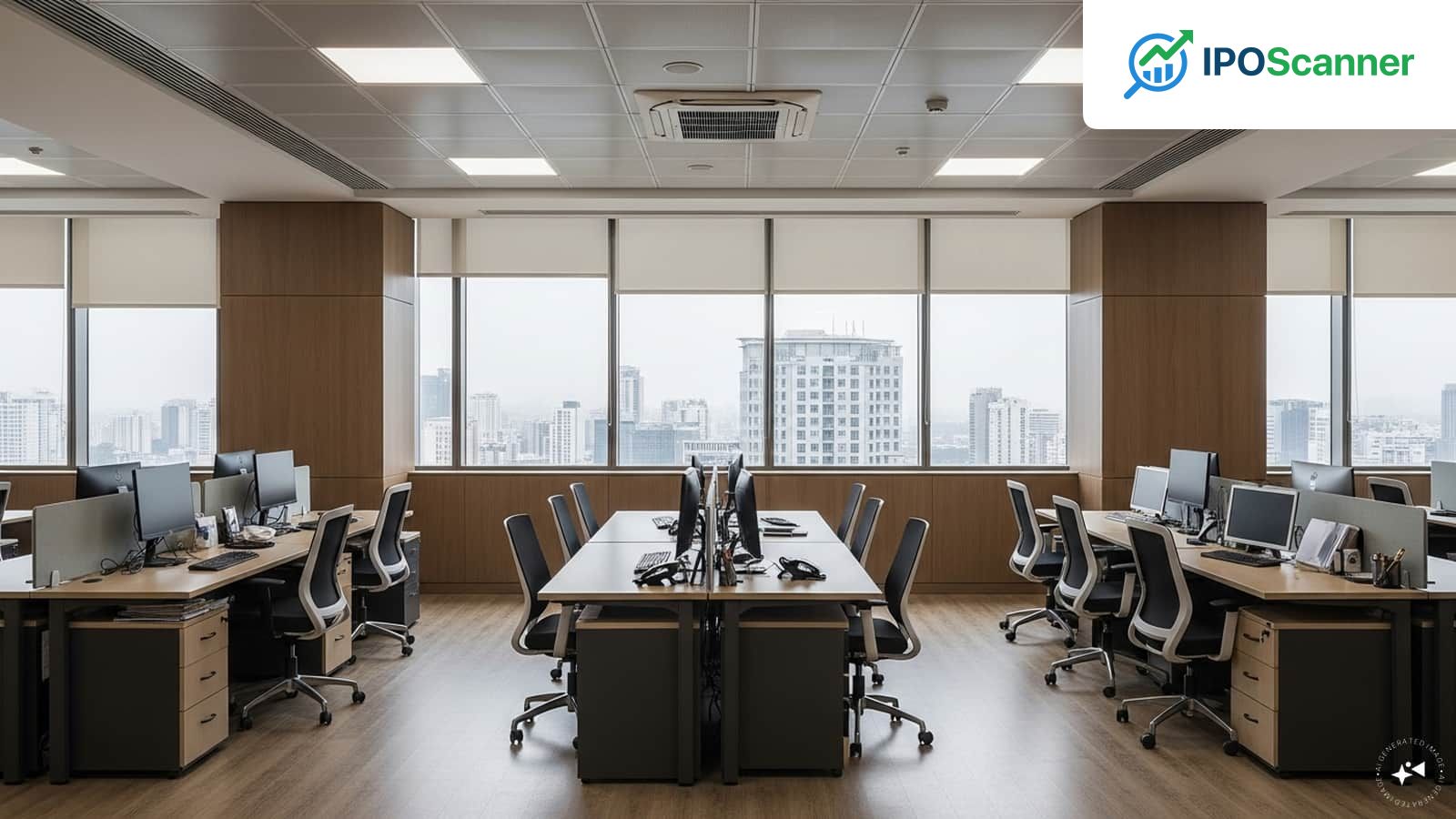
India's commercial real estate sector has the potential to reduce embodied carbon emissions from office interiors by as much as 55% through circular fit-out strategies, according to a new report by Savills India. The report, "The Circular Leap: Reimagining India's Office Fit-Outs", highlights that office interiors and fit-outs are emerging as one of the largest yet under-recognized sources of waste and carbon emissions in India's rapidly expanding office market, driven by Global Capability Centres (GCCs), technology firms, and flexible workspace operators.
Growing Demand for Sustainable Workplaces
The built environment contributes nearly 30-40 percent of global annual carbon emissions, while interior fit-outs alone can sometimes generate emissions comparable to or even exceeding those associated with a building's core construction. Savills India notes that the shift towards circular office interiors remains at an early stage due to fragmented supply chains, limited standardization, lack of data transparency, and cost-driven procurement practices. However, growing ESG scrutiny and rising demand for adaptable workplaces are expected to push wider adoption in coming years.
Read also: Treasury Yields Experience Largest Increase in Two Weeks Following Release of Labor Market Data
Benefits of Circular Fit-Outs
Adopting modular designs, reusable materials, and lifecycle-led planning can help reduce embodied carbon emissions by 25-55 percent at the project level, depending on the extent of material reuse and low-carbon interventions. The report estimates that circular fit-outs may involve a 10-15 percent premium in upfront capital expenditure, but these costs could potentially be recovered over five to ten years through lower replacement costs, reduced waste generation, and extended asset life.
Regulatory Support and Collaboration Needed
Scaling circular fit-outs would require stronger regulatory support through green procurement policies, reuse mandates, and disclosure frameworks, alongside greater collaboration between developers, occupiers, contractors, and material suppliers. Industry experts say the trend could become increasingly important as multinational occupiers and GCCs demand future-ready office spaces aligned with global sustainability targets.
Read also: US-Iran Tensions Spark Uptick in Oil Prices Amid Global Market Decline
Industry Insights
According to Sumit Rakshit, Managing Director, Project Management Services at Savills India, the real opportunity lies in shifting beyond short-term refurbishment cycles towards lifecycle-led design driven by modular systems, reuse-ready materials, and early collaboration across designers, contractors, and supply chains. Arvind Nandan, Managing Director, Research and Consulting at Savills India, notes that office interiors will increasingly become central to future workplace strategies.
| Comparison of Circular Fit-Outs and Traditional Fit-Outs | | --- | --- | | Embodied Carbon Emissions Reduction | 25-55% | | Upfront Capital Expenditure Premium | 10-15% | | Potential Recovery Period | 5-10 years |
Future-Ready Office Spaces
Shruti Singh, co-founder and director, operations at Carbon Guardians, an environment-friendly office-fit-out firm, says that over the next 5-7 years, circular and low-embodied-carbon fit-outs are likely to become standard in Grade-A and flexible offices. "Early moving landlords may gain differentiation, premium rents, and reduced downtime, lowering life cycle risks. Broad adoption, however, will hinge on ecosystem maturity, with the fastest progress in top-tier cities and best-in-class developments before broader market diffusion," she added.
Investor Takeaway
Investors should consider the potential for sustainable office interiors to reduce carbon emissions in India's commercial real estate sector.
More in Economy

Treasury Yields Experience Largest Increase in Two Weeks Following Release of Labor Market Data

US-Iran Tensions Spark Uptick in Oil Prices Amid Global Market Decline

MoSPI Releases Uniform Norms for DDP Estimates with 2022-23 Base Year

