
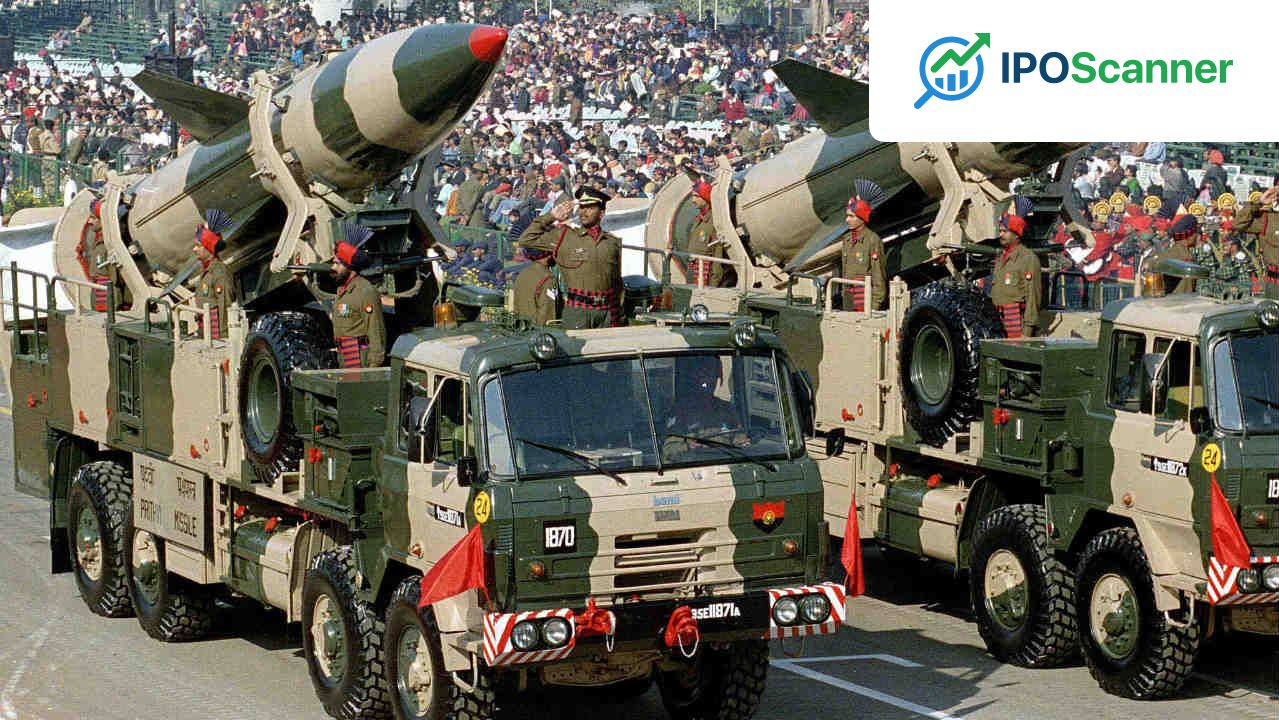
India's Nuclear Arsenal Surpasses 190 Warheads, Widening Gap with Pakistan: SIPRI Report
India Widens Nuclear Lead Over Pakistan, SIPRI Reports
The Stockholm International Peace Research Institute (SIPRI) has released its Yearbook 2026, revealing that India's estimated nuclear arsenal has surpassed that of its neighbor Pakistan. According to the report, India possesses approximately 190 nuclear warheads as of January 2026, compared to Pakistan's estimated 170 warheads.
Both India and Pakistan have continued to modernize and strengthen their nuclear forces during 2025, despite increasing global nuclear risks and weakening arms-control frameworks. SIPRI notes that India's modernization efforts are focused on developing longer-range capabilities, capable of reaching targets across China, while also accounting for its strategic rivalry with Pakistan. Pakistan, on the other hand, has continued to develop new delivery systems and accumulate fissile material, which could support a larger arsenal in the coming decade.
The report comes against the backdrop of heightened tensions in South Asia, including an "unusually severe military crisis" in May 2025 between India and Pakistan. The crisis saw India strike Pakistani air and missile bases, which are likely to have had nuclear-related roles. However, both countries took steps to prevent the confrontation from escalating further.
Read also: Pharmaceutical Stocks Resist Market Trend, Notch Fourth Consecutive Gain.
SIPRI also highlighted the growing role of emerging technologies in regional military competition, including nuclear modernization, long-range missile programs, armed drones, artificial intelligence-enabled systems, and cyber capabilities. The report notes that India and Pakistan integrated cyber operations into active military conflict for the first time during the crisis, underscoring the changing nature of deterrence and warfare between the two rivals.
Globally, SIPRI estimates the world's total nuclear inventory at 12,187 warheads in January 2026, with all nine nuclear-armed states continuing modernization programs and most deploying new nuclear-capable systems during the year. The institute warns that the era of declining nuclear arsenals appears to be ending, and that the combination of expanding arsenals, reduced transparency, and rising geopolitical tensions is creating fresh risks of miscalculation and escalation among nuclear-armed states.
| Country | Estimated Nuclear Warheads (January 2026) |
|---|---|
| India | 190 |
| Pakistan | 170 |
| China | 350 |
| Russia | 5,977 |
| United States | 5,428 |
| France | 290 |
| United Kingdom | 225 |
| Israel | 90 |
| North Korea | 20 |
The report's findings are a concern for global security, with SIPRI Director Karim Haggag warning that increasing reliance on nuclear weapons as instruments of national power is reversing decades of efforts to reduce their role in global security. The dangers associated with nuclear weapons are growing due to advances in weapon technology, the breakdown of nuclear arms control, and heightened geopolitical tensions.
More in Economy

Pharmaceutical Stocks Resist Market Trend, Notch Fourth Consecutive Gain.

Adani Ports Secures 10-Year Contract for Argentina's First LNG Export Project, Entering South American Market

BPCL, Asian Paints, and Other Crude-Sensitive Stocks Decline Amid Brent Oil Price Surge