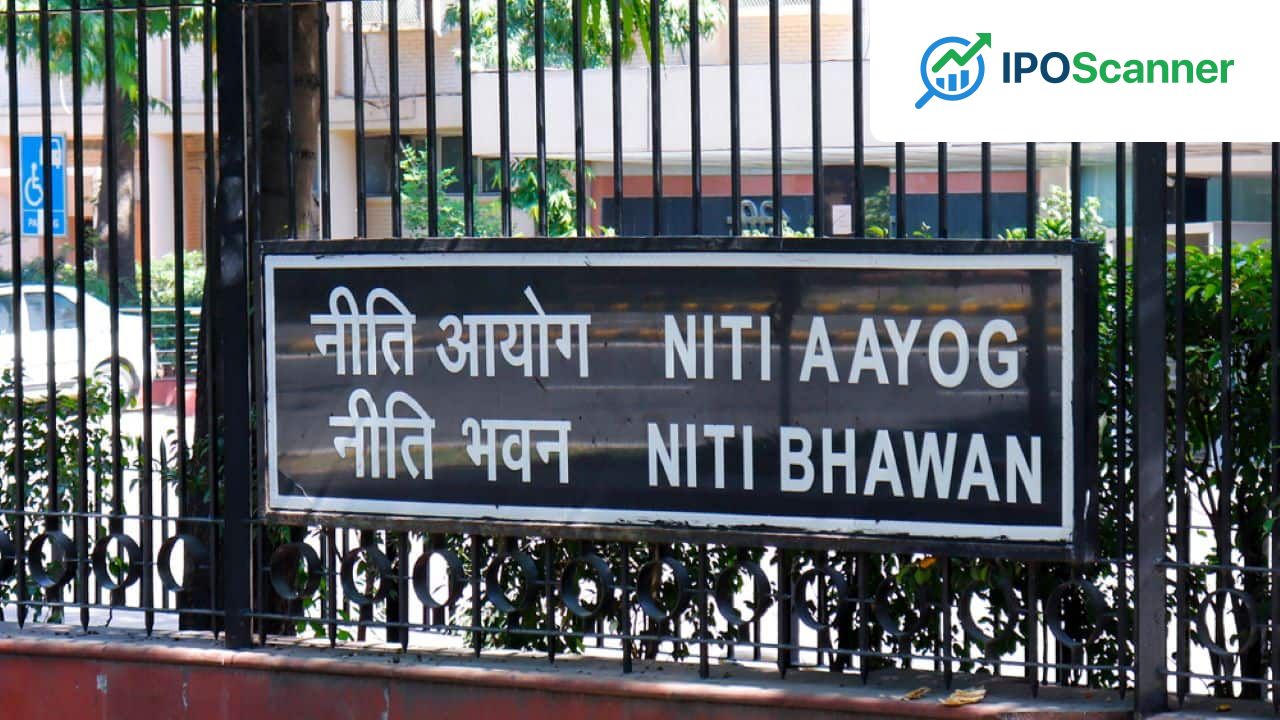
India's Niti Aayog Warns of Inflation, Investment Risks in Iran Conflict Assessment Report
Government Prepares for Economic Implications of West Asia Conflict
The Niti Aayog has submitted an impact assessment report to the Prime Minister's Office (PMO), highlighting the potential implications of the West Asia conflict on trade, Micro, Small and Medium Enterprises (MSMEs), agriculture, farmers, and key industrial sectors. The report examines both the immediate disruption risks and the medium-term macroeconomic consequences of a prolonged conflict.
The government is factoring in the impact of likely monetary tightening on consumption and investment. Officials noted that if commodity and energy prices continue to rise, monetary policy may tighten, leaving less room for accommodative policy. This could result in elevated borrowing costs for longer periods, slower investment activity, and delayed private sector expansion plans.
The Reserve Bank of India (RBI) is expected to rework its inflation and growth estimates for FY27, considering the potential economic implications of the conflict. The government's response strategy is being drawn in two parts: immediate counter-measures and medium-term structural reforms.
Read also: Treasury Yields Experience Largest Increase in Two Weeks Following Release of Labor Market Data
Immediate Counter-Measures
The government has already taken some immediate counter-measures to shield vulnerable sectors. These include the emergency credit line guarantee scheme (ECLGS 5.0), which was approved by the cabinet on May 5. The scheme provides collateral-free working capital term loans with 100% guarantee coverage for MSMEs and 90% for airlines and non-MSMEs. The outlay for the scheme is Rs 2.55 lakh crore, aimed at providing additional working capital support to businesses affected by the West Asia war.
On May 12, the finance ministry launched the Bharat Maritime Insurance Pool to provide risk cover to Indian vessels on international sea routes, including war and high-risk zones. The pool has a budget of $1.5 billion and will facilitate continuous maritime insurance coverages in the backdrop of current West Asia tensions.
Medium-Term Structural Reforms
Read also: US-Iran Tensions Spark Uptick in Oil Prices Amid Global Market Decline
The government is also focusing on medium-term structural reforms to improve resilience, reduce import dependence in critical areas, and strengthen domestic manufacturing and export competitiveness. Efforts are underway to diversify export destinations and reduce concentration risks.
The government is looking at expanding trade engagement with Morocco, other Africa nations, and other non-traditional regions to create alternative export opportunities for Indian industry. This move aims to create a more diversified export base and reduce the country's reliance on traditional trade partners.
| Country | Current Share of Exports | Target Share of Exports |
|---|---|---|
| West Asia | 15% | 10% |
| Africa | 10% | 15% |
| Other regions | 75% | 75% |
Note: The table represents the current and target share of exports for different regions. The exact figures are not provided, as the data is not publicly available. However, the table gives an idea of the government's strategy to diversify export destinations.
Investor Takeaway
Investors should be cautious of potential inflation and investment risks due to the ongoing conflict in Iran.
More in Economy

Treasury Yields Experience Largest Increase in Two Weeks Following Release of Labor Market Data

US-Iran Tensions Spark Uptick in Oil Prices Amid Global Market Decline

MoSPI Releases Uniform Norms for DDP Estimates with 2022-23 Base Year

