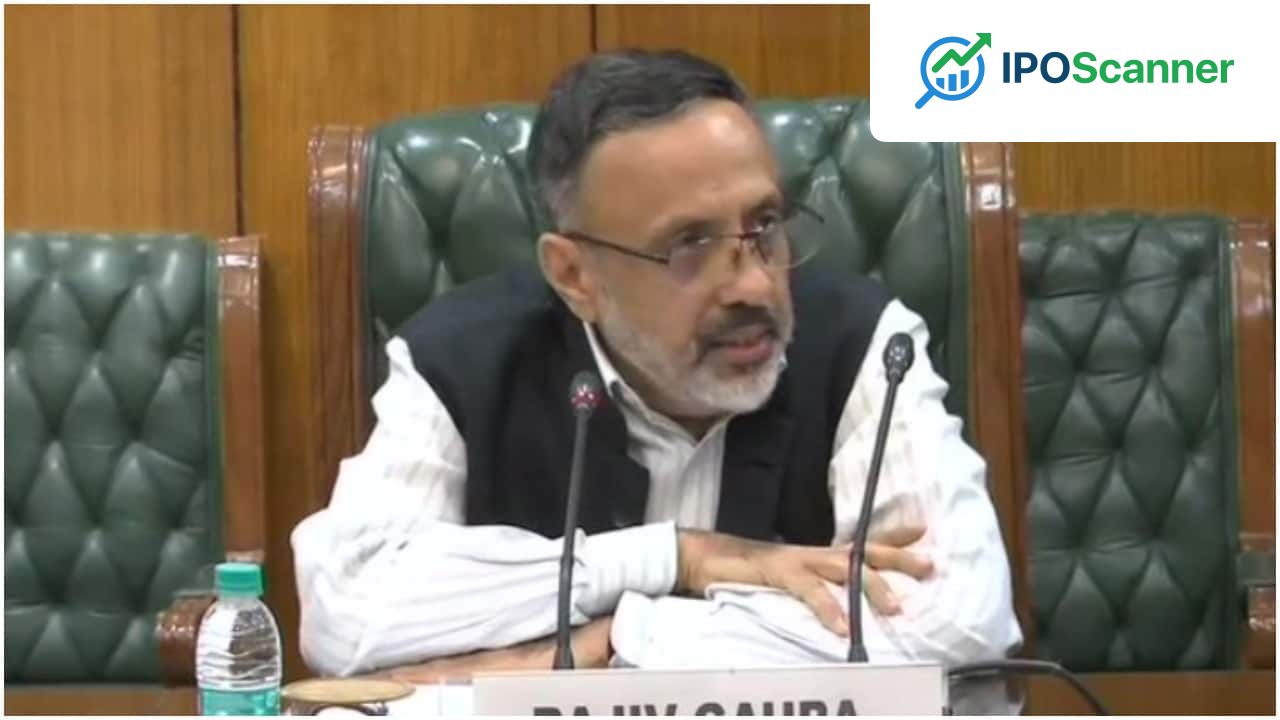
India's Next-Generation Reforms Must Focus on Trust-Based Governance: A Conversation with Rajiv Gauba
India's Research and Development Spending Remains Stuck at 0.7 Percent of GDP
India's spending on research and development (R&D) has remained stagnant at 0.7 percent of GDP, significantly below the global average of 2.3 percent. According to NITI Aayog member Rajiv Gauba, government funding accounts for nearly 60 percent of the total outlay.
Speaking at the CII Annual Business Summit 2026 on Tuesday, Gauba emphasized the need for Indian industry to significantly increase investment in innovation and reduce dependence on imported technologies. He called for sweeping deregulation reforms to unlock India's economic potential, stating that the government has already removed more than 42,000 compliances since 2014.
However, Gauba stressed that a broader shift in governance mindset is still required to eliminate what he described as "regulatory cholesterol." He proposed a comprehensive exercise of deregulation, focusing on trust-based governance under the proposed "Jan Vishwas Siddhant." This would limit licensing to areas involving national security, public health, or environmental risks.
Read also: Treasury Yields Experience Largest Increase in Two Weeks Following Release of Labor Market Data
Under this framework, automatic self-registration would be the norm, and licenses where necessary would have perpetual or long-term validity. Gauba also suggested that companies should invest more in R&D, shift from importing technology to creating it, and shed their instinct for protectionism.
India's R&D Spending Compared to Global Averages
| Country | R&D Spending as a Percentage of GDP |
|---|---|
| India | 0.7% |
| Global Average | 2.3% |
| South Korea | (no specific figure mentioned) |
| Israel | (no specific figure mentioned) |
India's gross expenditure on R&D has remained stuck at 0.7 percent of GDP, well below the global average. Of this 0.7 percent, around 60 percent is government funded. Gauba emphasized that higher R&D investment is now a strategic necessity for sustaining economic growth and competitiveness.
Read also: US-Iran Tensions Spark Uptick in Oil Prices Amid Global Market Decline
India's per capita income has grown nearly tenfold since 1991, but countries such as China, which started at similar levels, have advanced much faster. Gauba called for greater industry participation, urging companies to invest more in innovation, workforce training, and competitiveness.
India currently contributes 18-19 percent to incremental global GDP growth annually, but sustaining this momentum would depend on policy choices made today. Gauba highlighted India's skilling gap, noting that only about 20 percent of workers in construction and 1 percent in tourism receive formal training.
Emphasizing the importance of economic strength, Gauba said, "We have to grasp the simple but profound truth that rising GDP is the best foreign policy. This is what gives the country leverage and is the best insurance or security, both internal and external."
Investor Takeaway
Investors should focus on long-term growth opportunities in India's economy, driven by innovation and deregulation.
More in Economy

Treasury Yields Experience Largest Increase in Two Weeks Following Release of Labor Market Data

US-Iran Tensions Spark Uptick in Oil Prices Amid Global Market Decline

MoSPI Releases Uniform Norms for DDP Estimates with 2022-23 Base Year

