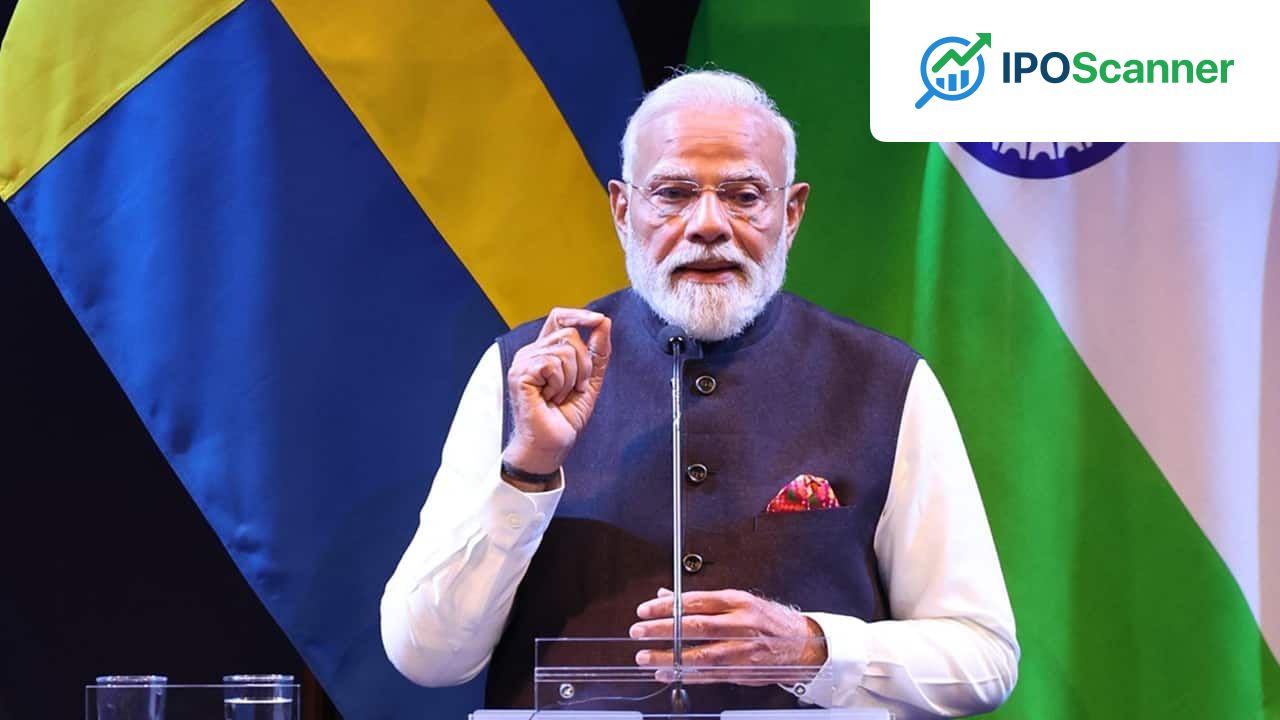
India's Inflation Plight: Modi Government's Ongoing Geopolitical Challenge
India's Economic Resilience: A Story of Effective Policy Reforms and Strategic Diplomacy
India, which imports over 85% of its crude oil, has long been vulnerable to international price shocks and geopolitical disruptions. However, under the leadership of Prime Minister Narendra Modi, the country has managed to mitigate inflation in petrol, diesel, and LPG far more effectively than most global peers.
While several countries, including Pakistan, Malaysia, and the United States, have seen sharp increases in petrol and diesel prices, India has limited the impact on its citizens to just over 3%. This is a testament to the Modi government's commitment to cushion the middle class against oil shocks. Despite under-recoveries of between Rs 750 crore to Rs 1000 crore every single day, the government has not resorted to large-scale fuel price increases, unlike its predecessors.
Fuel Price Comparison
Read also: Treasury Yields Experience Largest Increase in Two Weeks Following Release of Labor Market Data
| Country | Petrol Price Increase | Diesel Price Increase |
|---|---|---|
| Pakistan | 54.9% | 44.9% |
| Malaysia | 56.3% | 71.2% |
| Myanmar | 89.7% | 112.7% |
| UAE | 52.4% | 86.1% |
| United States | 44.5% | 48.1% |
| Sri Lanka | 38.2% | 41.8% |
| UK | 19.2% | 34.2% |
| Germany | 13.7% | 19.8% |
| Japan | 9.7% | 11.2% |
| India | 3.2% | 3.2% |
The Modi government's approach to containing fuel inflation is commendable, especially when compared to other major economies. In the last four years, India has managed to keep fuel prices relatively stable, with the current increase being the first in four years. This is a result of the government's pragmatic deregulation, targeted interventions, and strategic reserves.
India's Strategic Reserves and Oil Diplomacy
India's Strategic Petroleum Reserves (SPR) have been adequately maintained, with agreements like the UAE MoU (2026) for storing 30 million barrels (UAE-funded) boosting buffers to 7-8 weeks or more, including commercial stocks. Diversified sourcing (Russia became a major supplier post-2022, discounted crude), long-term contracts, and refinery flexibility have lowered average import costs below global benchmarks. Ethanol blending has reached 20%, reducing petrol imports.
Read also: US-Iran Tensions Spark Uptick in Oil Prices Amid Global Market Decline
Policy Reforms and Welfare Economics
The Modi government has implemented several policy reforms, including diesel deregulation in 2014, shifting to daily price revisions by 2017, and introducing Direct Benefit Transfer (DBT) for LPG subsidies to plug leaks. The government has also allowed OMCs greater flexibility while intervening during spikes. For instance, in March 2026 amid US-Iran-related tensions, excise duty on petrol was cut from Rs 13 to Rs 3 per litre and on diesel from Rs 10 to zero, absorbing costs to shield consumers.
Economic Indicators
| Indicator | FY23 | FY24 | FY25 | FY26 |
|---|---|---|---|---|
| Wholesale (WPI) Inflation | -0.7% | 2.3% | 0.8% | 3.8% |
| Retail Inflation (CPI) | 6.7% | 5.4% | 4.6% | 1.7% |
| Fuel Inflation | -5% | 3% | 0% | 3% |
India's model offers lessons in balancing market forces with public welfare. The country's stability has not only cushioned 1.4 billion citizens but positioned India as a more predictable economic powerhouse. The Current Account Deficit (CAD) has been consistently below 1% in the last 6 years, with CAD actually turning into a surplus of 0.9% in FY21. The external debt-to-GDP ratio has hovered between 18.5-19.4% in the last 12 years, which is excellent news, given the 23% number during the UPA era of 2004-2014.
Investor Takeaway
The Modi government's efforts to mitigate inflation in petrol, diesel, and LPG have been effective, shielding consumers from global volatility.
More in Economy

Treasury Yields Experience Largest Increase in Two Weeks Following Release of Labor Market Data

US-Iran Tensions Spark Uptick in Oil Prices Amid Global Market Decline

MoSPI Releases Uniform Norms for DDP Estimates with 2022-23 Base Year

