India's Industry Faces Urgent Transformation Amid Global Economic Turmoil
India's Commerce and Industry Minister Urges Domestic Industry Support Amid Global Uncertainty
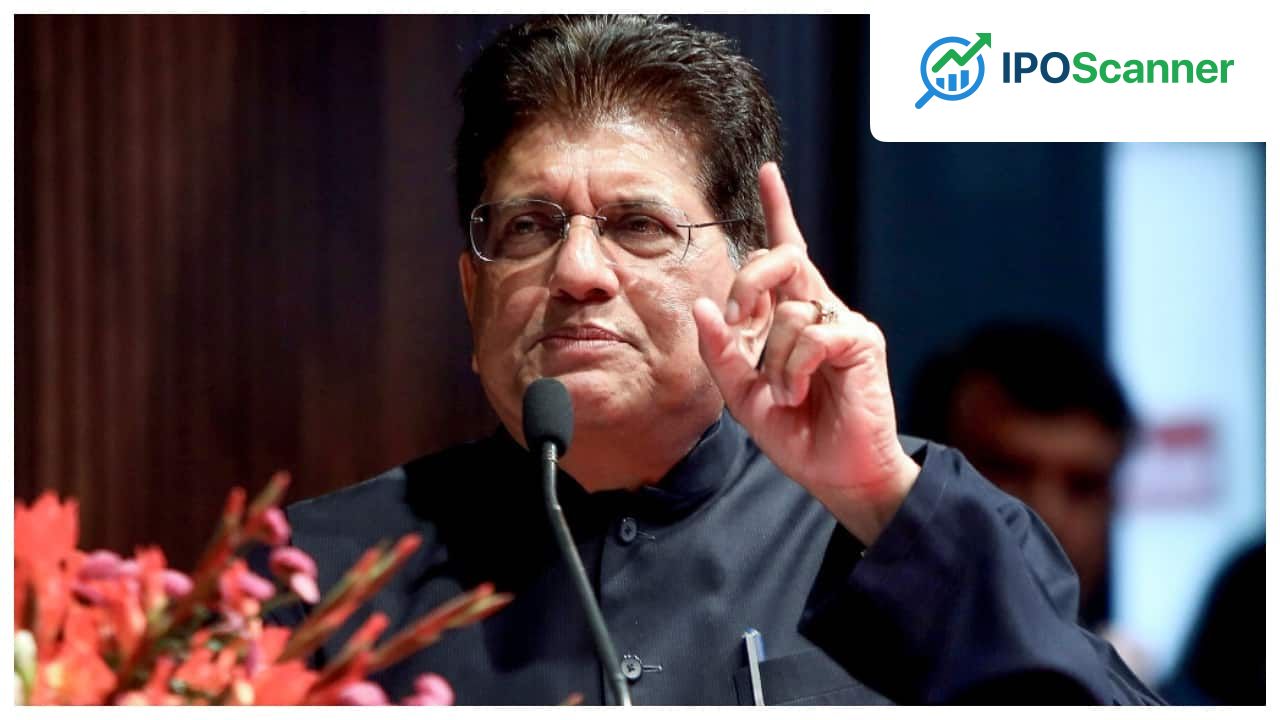
Indian Commerce and Industry Minister Piyush Goyal has called on local businesses to prioritize domestic suppliers and producers, citing the need for India to strengthen its economic resilience in the face of global trade and supply chain disruptions.
Speaking at the CII Annual Business Summit 2026 in New Delhi, Goyal emphasized the importance of closer coordination between the government and industry to overcome the challenges posed by geopolitical tensions and economic pressures. He noted that India has repeatedly emerged stronger from crises and argued that a collaborative approach is essential to ensure the country's economic stability.
Goyal framed his remarks around what he called the "India spirit", highlighting the country's ability to defend and fortify itself against any challenges. He drew comparisons with industrial coordination models in countries such as South Korea and Japan, where industries work together to support each other and strengthen domestic linkages.
Read also: Treasury Yields Experience Largest Increase in Two Weeks Following Release of Labor Market Data
| Country | Domestic Industry Support Model |
|---|---|
| South Korea | Close coordination between industries to support each other |
| Japan | Strengthening domestic linkages through industry collaboration |
| India | Prioritizing domestic suppliers and producers to enhance economic resilience |
Goyal emphasized that Indian industry must learn to support each other, rather than relying solely on government intervention. He noted that industries themselves can take steps to strengthen domestic linkages and reduce dependence on overseas suppliers.
The minister's remarks come amid global trade and energy disruptions, with policymakers globally focusing on supply-chain resilience, domestic manufacturing, and strategic trade dependencies. India has implemented policies aimed at boosting local manufacturing, including production-linked incentive (PLI) schemes across sectors such as electronics, semiconductors, solar modules, and pharmaceuticals.
The government has also raised scrutiny of imports in some sectors while pursuing free trade agreements with multiple countries. India has signed trade agreements with the UAE, Australia, and the European Free Trade Association bloc, with negotiations continuing with the UK and the European Union.
Read also: US-Iran Tensions Spark Uptick in Oil Prices Amid Global Market Decline
Goyal highlighted India's economic stability, citing foreign exchange reserves, exports, and remittance inflows as indicators of resilience. He noted that the economy remains robust, with the International Monetary Fund (IMF) estimating that India has 11 months of foreign exchange reserves to cover its imports.
The minister also pointed to India's record exports, which reached an "all-time high" of around $863 billion in goods and services combined. He noted that India's combined goods and services trade deficit remains lower than annual remittance inflows.
The government's messaging on economic discipline and self-reliance has coincided with concerns around oil price volatility and shipping disruptions linked to tensions in West Asia. Despite these challenges, Indian officials have maintained that the country's macroeconomic position remains stable due to strong foreign exchange reserves, services exports, and remittance inflows from overseas Indians.
Investor Takeaway
Investors should consider the potential benefits of supporting domestic industry in India.
More in Economy

Treasury Yields Experience Largest Increase in Two Weeks Following Release of Labor Market Data

US-Iran Tensions Spark Uptick in Oil Prices Amid Global Market Decline

MoSPI Releases Uniform Norms for DDP Estimates with 2022-23 Base Year

