India's Imports: Four Commodities Targeted by the Government Account for Over $240 Billion
India's Import Bill Soars to $240.7 Billion in FY26
India's import bill for the fiscal year 2025-26 has reached a staggering $240.7 billion, with the country's reliance on four key commodity groups - crude oil, gold, vegetable oils, and fertilisers - posing significant pressure on its foreign exchange reserves.
According to a Moneycontrol analysis of trade data, these four commodity groups account for 31.1% of India's total import bill of $775 billion. The largest component of this import bill is crude petroleum, with imports worth $134.7 billion, followed by gold imports which surged to a record $72 billion.
| Commodity Group | Import Value (FY26) | Import Value (FY25) | Change |
|---|---|---|---|
| Crude Petroleum | $134.7 billion | $143.1 billion | -5.9% |
| Gold | $72 billion | $58 billion | 24.1% |
| Vegetable Oils | $19.5 billion | - | - |
| Fertilisers | $14.5 billion | - | - |
Read also: Treasury Yields Experience Largest Increase in Two Weeks Following Release of Labor Market Data
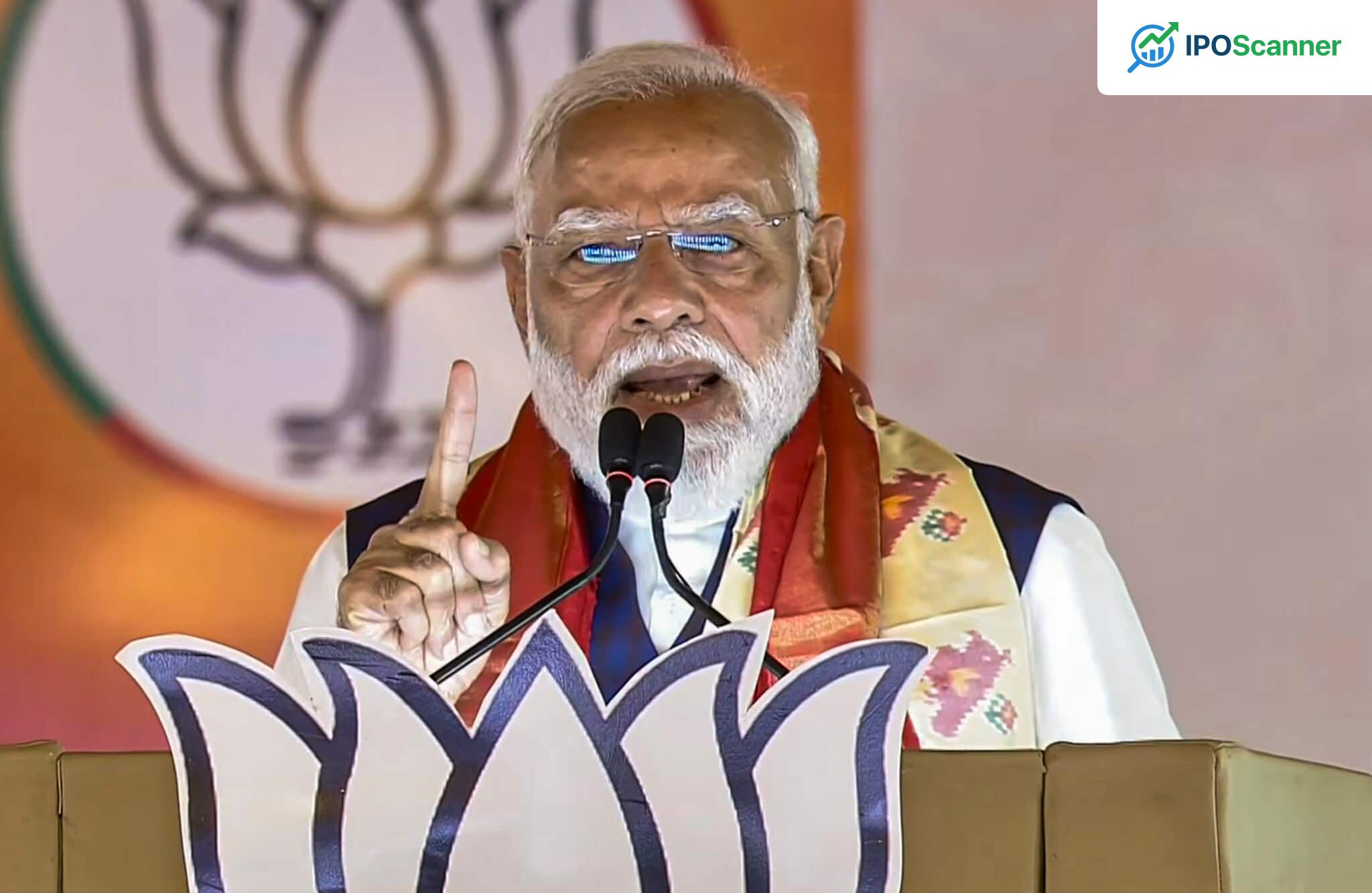
The prime minister, Narendra Modi, has urged citizens to use these commodity groups more judiciously as part of a broader push to reduce pressure on the country's foreign exchange reserves and strengthen economic resilience. In a recent appeal, he called on citizens to reduce dependence on petrol and diesel by adopting electric vehicles, using public transport, car-pooling, and shifting freight to railways.
Farmers were urged to replace diesel-powered pumps with solar alternatives and cut chemical fertiliser use by 50%. Households were also encouraged to moderate edible oil consumption and defer non-essential gold purchases for a year. The remarks come amid the West Asia crisis, which has sharply increased import costs.
India's crude basket averaged $114.48 per barrel in April and $105.4 per barrel in May, compared with an average of $70.99 per barrel in FY26. Even modest behavioural changes could have significant implications for India's external accounts, given that these four commodities account for nearly one in every three dollars spent on imports.
The import bill balloons further if one includes organic chemicals and raw materials used in fertiliser production, many of which also depend on transit through the Strait of Hormuz. Gold and fertiliser imports have been the fastest-growing components of this basket, with gold imports rising by 24% and fertiliser imports jumping 77% in FY26.
Read also: US-Iran Tensions Spark Uptick in Oil Prices Amid Global Market Decline
Investor Takeaway
India's government is targeting four commodity groups to reduce pressure on foreign exchange reserves, which may impact import costs and economic resilience.
More in Economy

Treasury Yields Experience Largest Increase in Two Weeks Following Release of Labor Market Data

US-Iran Tensions Spark Uptick in Oil Prices Amid Global Market Decline

MoSPI Releases Uniform Norms for DDP Estimates with 2022-23 Base Year

