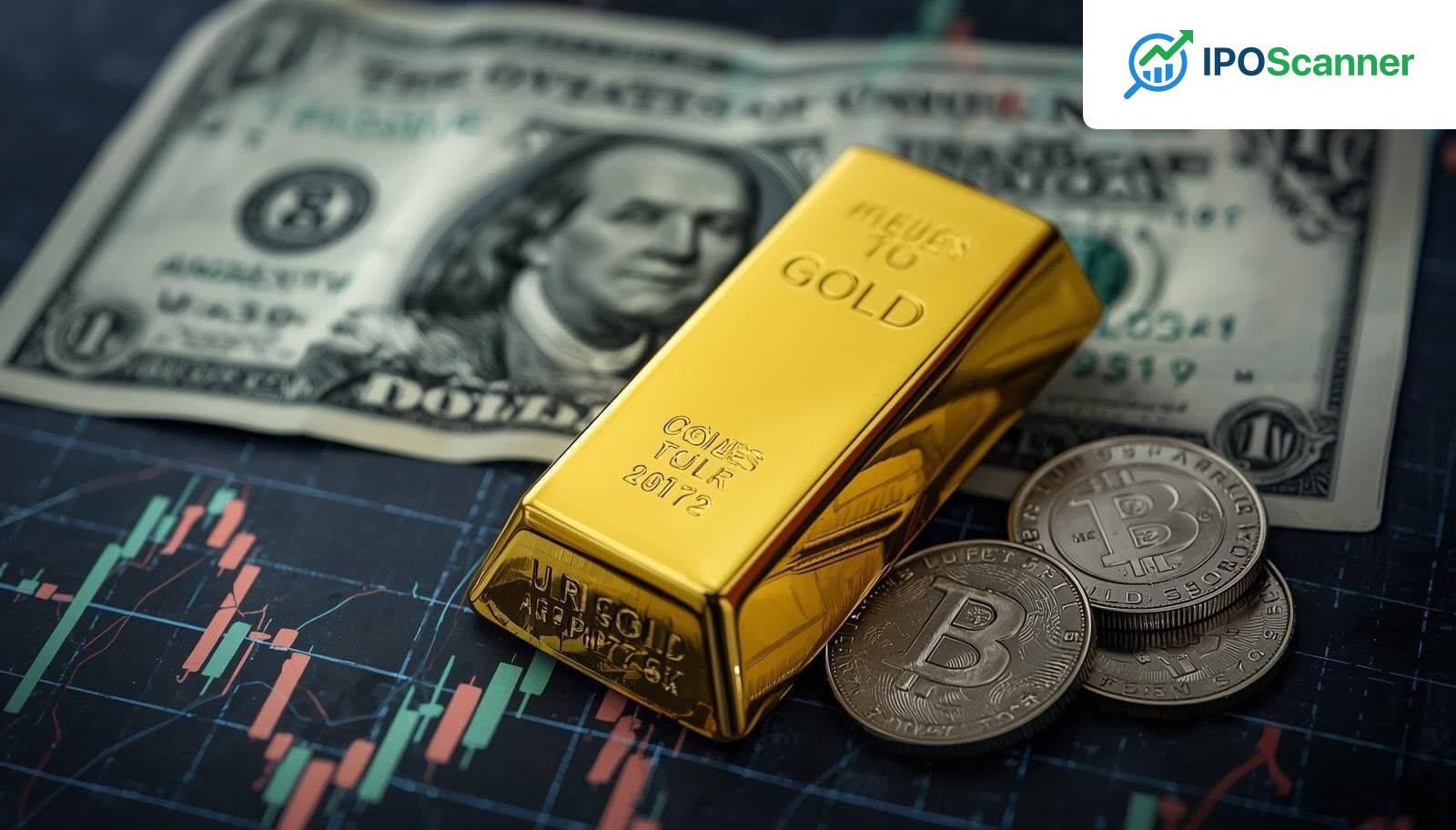
India's Gold Dilemma: Investors Weigh Risks as Rising Import Bill Sparks Concern
India's Prime Minister Calls for Sacrifices to Navigate Global Crisis
India's Prime Minister Narendra Modi has urged citizens to take resolute measures to help the country navigate the global crisis. During a public rally on Sunday, May 10, PM Modi appealed to citizens to hold off on gold purchases, limit the usage of fuel, edible oil, and fertilizers, and avoid foreign travels for at least a year. This move is aimed at reducing the country's import spending on foreign currency, particularly the US dollar, amid the global crisis.
India's import bills have increased significantly, with the country importing 31 percent of crude oil, gold, edible oils, and fertilizers. Many of these imports depend on transit through the Strait of Hormuz, which has been affected by the Middle East conflict. As a result, Indian households, industries, and the commercial sector are already feeling the pinch.
Reducing daily consumption of these imported goods can help reduce the country's import spending on foreign currency. Commodity and currency analysts view the Prime Minister's remark on delaying gold purchases primarily from the perspective of macroeconomic stability and import management.
Read also: Treasury Yields Experience Largest Increase in Two Weeks Following Release of Labor Market Data
India's Gold Imports
| Year | Gold Imports (in billions USD) | Current Account Deficit (CAD) |
|---|---|---|
| 2025-26 (FY26) | $72 billion | Critical levels |
India imports almost all of its gold requirements, meaning higher gold buying directly increases dollar outflows and widens the current account deficit. The country's gold demand rose 10 percent year-on-year in Q1 2026, with investment demand surging 54 percent, according to the World Gold Council report.
Analysts believe that PM Modi's appeal will unlikely impact long-term Indian demand for gold, as the precious metal remains closely linked to savings, investment, and cultural buying patterns. However, in the short term, it may slow discretionary purchases, particularly in jewelry demand, and create cautious sentiment across bullion and jewelry-related businesses.
Read also: US-Iran Tensions Spark Uptick in Oil Prices Amid Global Market Decline
Gold Demand and Investment
| Demand Type | Q1 2026 Demand | Year-on-Year Growth |
|---|---|---|
| Total Demand | 10% | |
| Investment Demand | 54% |
Gold is still a strong long-term hedge against inflation, currency depreciation, geopolitical uncertainty, and financial market volatility. Analysts recommend that investors may need to shift from aggressive buying to staggered accumulation and risk management, as gold appears to be transitioning from a momentum-driven rally into a more volatile consolidation phase.
Investor Takeaway
Investors should be cautious of the potential impact of rising import bills on the Indian economy.
More in Economy

Treasury Yields Experience Largest Increase in Two Weeks Following Release of Labor Market Data

US-Iran Tensions Spark Uptick in Oil Prices Amid Global Market Decline

MoSPI Releases Uniform Norms for DDP Estimates with 2022-23 Base Year

