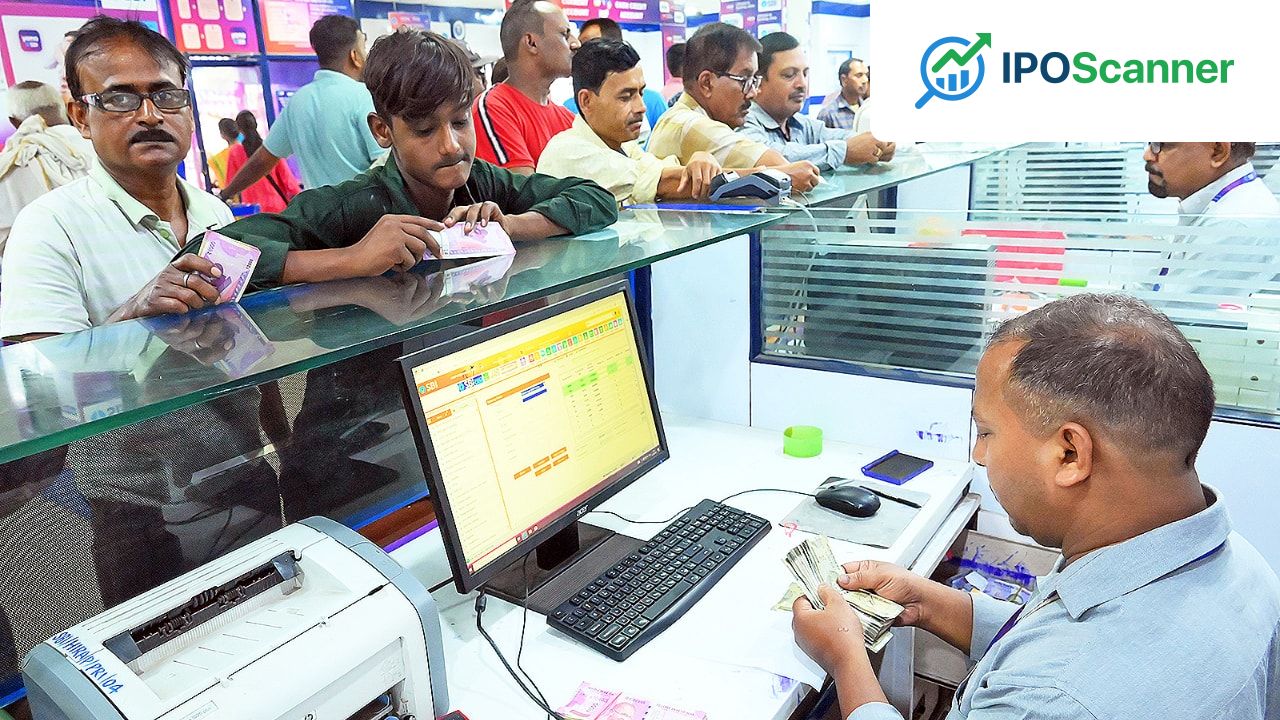
India's Finance Ministry Advises Public Sector Banks to Adopt Prudent Expenditure Amid Economic Uncertainties
Finance Ministry Calls for Prudent Expenditure and Austerity Measures at PSBs
The finance ministry has asked public sector banks (PSBs) to adopt prudent expenditure and austerity measures at all levels while maintaining resilience amid evolving global uncertainties. This move comes as the ministry reviews the financial performance of PSBs, with a focus on ensuring their preparedness and adaptability to recent crises, such as the one in the Middle East.
Financial Services Secretary Reviews PSB Performance
Financial Services Secretary M Nagaraju chaired a meeting to review the financial performance of PSBs, advising them to provide proactive and need-based support to eligible borrowers under ECLGS 5.0. He also emphasized the importance of strengthening grievance redressal mechanisms with adequate oversight, improving operational efficiency, and exploring new business opportunities to sustain profitability and long-term growth.
Read also: Treasury Yields Experience Largest Increase in Two Weeks Following Release of Labor Market Data
PSBs Demonstrate Strong Performance
The performance of PSBs across key areas, including business growth, profitability, asset quality, implementation of government schemes, financial inclusion, digital ecosystem, MSME credit flow, cyber resilience, and operational risk management, was comprehensively assessed. Notably, PSBs demonstrated strong financial and operational performance during FY26.
| Key Performance Indicators | FY26 |
|---|---|
| Aggregate Business | Rs 283.3 lakh crore |
| Aggregate Net Profit | Rs 1.98 lakh crore |
| Gross Non-Performing Assets (GNPA) | 1.93% |
| Net Non-Performing Assets (NNPA) | 0.39% |
Asset Quality Remains Robust
Read also: US-Iran Tensions Spark Uptick in Oil Prices Amid Global Market Decline
Asset quality also remained robust, with Gross Non-Performing Assets (GNPA) reaching a historic low of 1.93 per cent and Net Non-Performing Assets (NNPA) declining to 0.39 per cent. This reflects continued strengthening of balance sheets and prudent risk management practices.
Progress under Financial Inclusion Initiatives
Progress under major financial inclusion initiatives, including Pradhan Mantri Jan Dhan Yojana, social security schemes, Pradhan Mantri Mudra Yojana, PM Vishwakarma, and digital lending programmes, were also reviewed. Public sector banks continue to play a pivotal role in expanding financial access and strengthening last-mile delivery of banking services across the country.
Digital Lending Initiatives
The status of implementation of end-to-end digital lending journeys for small-value loans and welfare-linked schemes was also reviewed during the meeting. PSBs highlighted measures such as paperless processing through e-KYC and digital documentation, straight through processing (STP), and integration with government platforms to improve accessibility and customer experience.
Strengthening Digital Banking Ecosystems
Deliberations also covered strengthening of digital banking ecosystems, enhancement of cyber security frameworks, and initiatives for improving access to credit for MSMEs and other productive sectors of the economy.
Launch of Coffee Table Book and Revamped Website
During the meeting, a coffee table book on 'Aapki Poonji, Aapka Adhikar (Your Money, Your Right)' was unveiled. The book captures the nationwide campaign undertaken to empower citizens to identify and reclaim unclaimed financial assets. Over the past six months, more than Rs 6,800 crore has been restituted to nearly 29 lakh claimants across the country.
The revamped website of the Department of Financial Services was also launched during the meeting. Designed with a citizen-centric approach, the portal offers enhanced accessibility, seamless navigation, and improved dissemination of information. The website is available in 23 regional languages and incorporates accessibility features for persons with visual impairments.
Emphasis on Robust Grievance Redressal Systems and Operational Preparedness
Nagaraju underscored the importance of maintaining robust grievance redressal systems, strong governance standards, and operational preparedness to ensure that the banking system remains resilient, trusted, and aligned with the vision of Viksit Bharat 2047. Special Secretary Sanjay Lohia emphasized the importance of strengthening institutional capabilities, operational efficiency, and innovation-driven banking practices to meet the evolving requirements of a rapidly transforming financial ecosystem.
Investor Takeaway
Public sector banks should adopt prudent expenditure and austerity measures to maintain resilience amid economic uncertainties.
More in Economy

Treasury Yields Experience Largest Increase in Two Weeks Following Release of Labor Market Data

US-Iran Tensions Spark Uptick in Oil Prices Amid Global Market Decline

MoSPI Releases Uniform Norms for DDP Estimates with 2022-23 Base Year

